
 Europe warns of Russia’s hybrid attacks but struggles to counter them
  Former chief election commissioner calls SIR scheme illegal.
  A Corruption Scandal Is Reshaping Brazil’s Presidential Election
  US citizen injured in Illinois after ICE agents mistook him for fugitive, tried to arrest him
  At 10 years old, Smithsonian’s Black museum is undaunted amid pressure from Trump administration
 Italy’s Defense Minister Calls for EU Unity in Face of Growing Global Threats
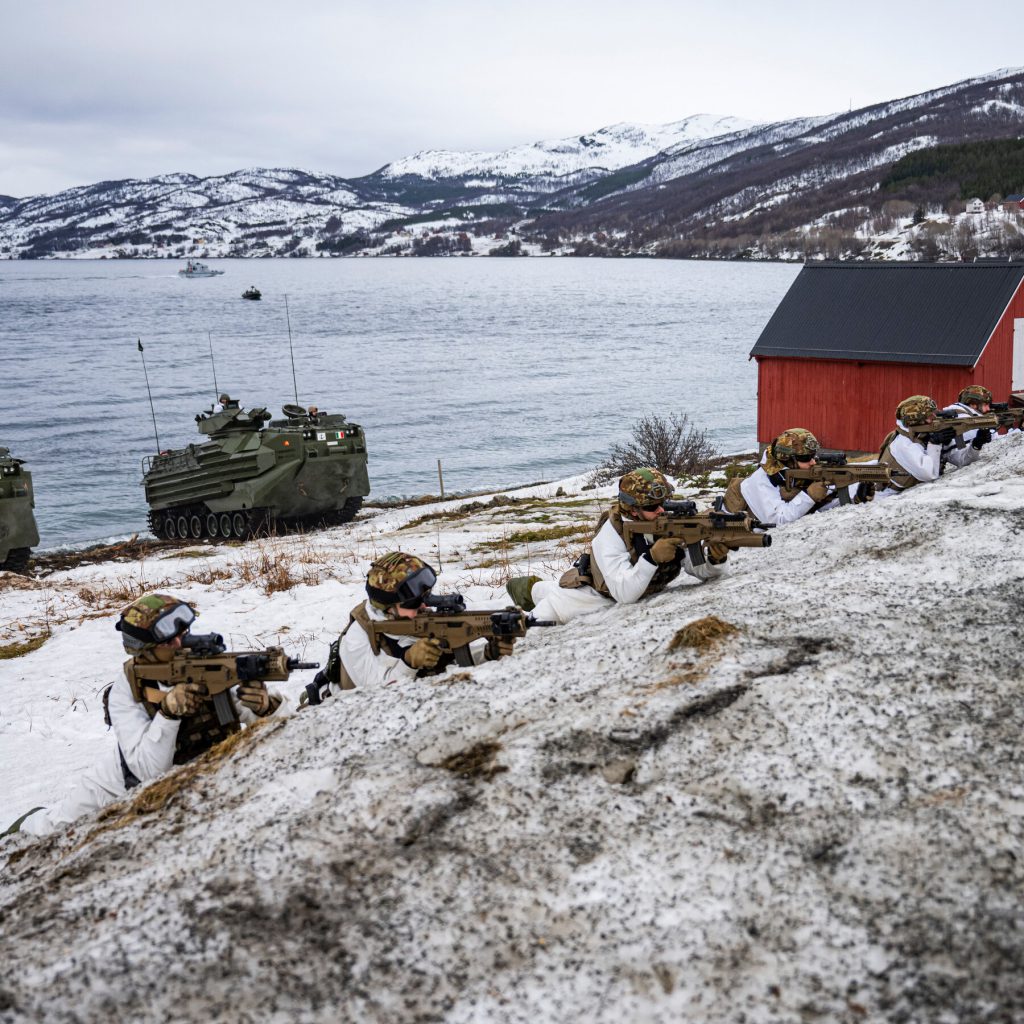
italys defense minister calls:
European Union Faced with Security Crisis: Italy Calls for Unified Defense Pact
In the face of escalating global tensions and regional instability, Italy’s Defense Minister Guido Crosetto has sounded the alarm, urging European nations to come together and form a robust military alliance to safeguard their collective security interests.
This call for a unified defense pact marks a critical moment in the European Union’s history, as the continent grapples with the complexities of a changing world order.
Updated: June 5, 2026
European Union Faced with Security Crisis: Italy Calls for Unified Defense Pact
In the face of escalating global tensions and regional instability, Italy’s Defense Minister Guido Crosetto has sounded the alarm, urging European nations to come together and form a robust military alliance to safeguard their collective security interests. This call for a unified defense pact marks a critical moment in the European Union’s history, as the continent grapples with the complexities of a changing world order.
What happened
Italian Defense Minister Guido Crosetto’s recent remarks underscore the growing sense of unease within the EU over its vulnerability to external threats. Speaking in an interview, he emphasized that European nations must take a more active role in securing their own defense, rather than relying solely on NATO and the United States. This is a bold move, given the long-standing transatlantic security partnership and the EU’s reliance on NATO’s collective defense commitment, also known as the NATO article 5.
Background
To understand the significance of Crosetto’s comments, it’s essential to examine the broader context. Over the past decade, the EU has been facing a series of security challenges, from the Russian annexation of Crimea in 2014 to the ongoing conflict in Ukraine, as well as the ongoing crises in the Middle East and North Africa. In response, many EU member states have increased their military spending, and initiatives such as the Permanent Structured Cooperation (PESCO) and the European Defense Fund have been established to enhance the EU’s defense capabilities. However, Crosetto’s remarks suggest that more is needed – a unified European defense system that would allow nations to pool their resources and expertise to create a more robust deterrent.
Key concerns
Crosetto’s call for a European defense pact raises several key concerns:
Integration and trust: Can European nations overcome their differences and work together effectively, or will national interests and competing ideologies hinder progress?
Funding and resources: Will the EU member states have the necessary financial resources and military capabilities to create a credible defense alliance?
NATO and transatlantic relations: How will this new alliance interact with NATO and the existing transatlantic security partnership?
Russia and other external actors: Will a European defense pact be seen as a challenge to Russia’s influence in the region, or will it be viewed as a positive development aimed at enhancing regional stability?
What next
Crosetto’s comments have sparked a renewed debate within the EU about its security priorities and the need for a more unified defense approach. While some member states may be skeptical about the feasibility of a European defense pact, others are more optimistic about the potential benefits of greater cooperation and integration. As the EU continues to navigate the complex landscape of global politics, one thing is clear: if the continent is to address its security challenges effectively, it will need to move beyond its current fragmented approach and forge a more robust and unified defense strategy.
Guido Crosetto's call for a unified European defense pact may be a calculated risk, but it's also a necessary step towards a more cohesive and effective security strategy. By pooling resources and expertise, EU nations can create a stronger deterrent, but they'll need to navigate treacherous waters and overcome deep-seated trust issues to make it happen.




