Europe warns of Russia’s hybrid attacks but struggles to counter them
  Former chief election commissioner calls SIR scheme illegal.
  A Corruption Scandal Is Reshaping Brazil’s Presidential Election
  US citizen injured in Illinois after ICE agents mistook him for fugitive, tried to arrest him
  At 10 years old, Smithsonian’s Black museum is undaunted amid pressure from Trump administration
 Bombay High Court quashes OTSC charges
In a landmark ruling, the Bombay High Court has quashed the government’s move to recover one-time spectrum charges, providing a significant relief to Airtel and Vodafone Idea, and sending shockwaves in the telecom sector, with analysts hailing it as a major victory for the two telcos.
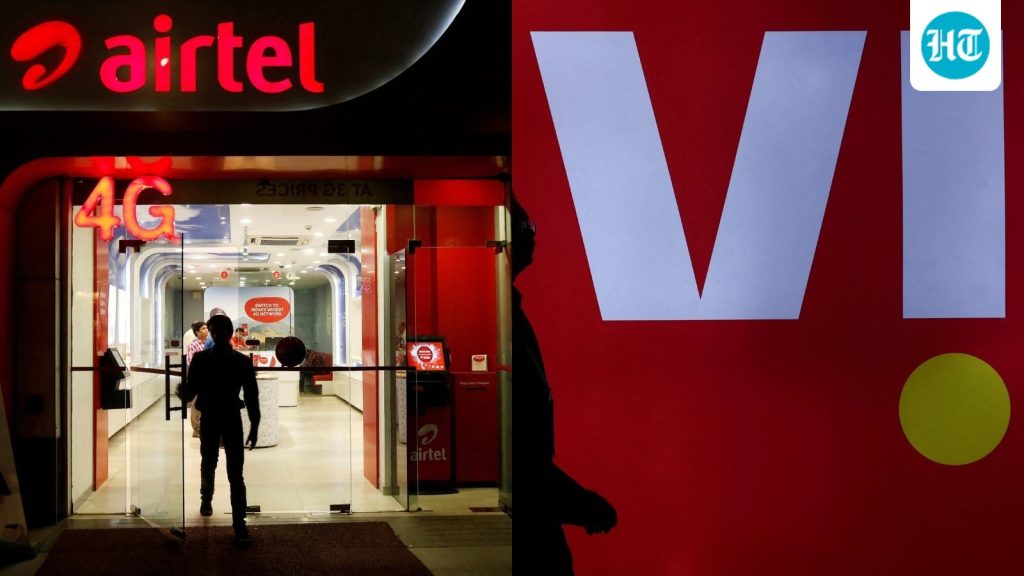
BREAKING: Airtel, Vodafone Idea Welcome Relief as Bombay High Court Quashes Govt’s One-Time Spectrum Charges The Bombay High Court has dealt a significant blow to the Indian government’s plans to recover one-time spectrum charges (OTSC) from telecom operators, with far-reaching implications for Airtel and Vodafone Idea. In a landmark ruling, the court has quashed the government’s move to recover OTSC, paving the way for the two telcos to receive a massive ₹24,000 crore relief. This development comes as a respite for the debt-ridden telcos, which have been grappling with a mountain of liabilities..
The court’s ruling, delivered on a recent Tuesday, has sent shockwaves in the telecom sector, with analysts hailing it as a major victory for Airtel and Vodafone Idea. The government’s move to recover OTSC had been a contentious issue, with the two telcos contesting it in court. According to sources, Airtel’s contingent liability towards OTSC stood at ₹6,600 crore, while Vodafone Idea’s exposure was a significantly higher ₹7,581 crore..
The government had first introduced the OTSC policy in 2014, requiring telcos to pay one-time charges for their existing spectrum holdings after 20 years. However, the Supreme Court had stayed the payments in 2021, citing that it would lead to the collapse of the telecom sector. Despite this, the government sought to reinitiate the payments, leading to the dispute in court..
The Bombay High Court’s ruling, however, has put an end to the government’s plans, with many seeing it as a long-overdue relief for the telcos. Industry insiders say that the relief will not only help Airtel and Vodafone Idea pay off their debts but also bolster their finances. This is a major sigh of relief for both Airtel and Vodafone Idea, which have been struggling to stay afloat amidst intense competition and a declining market, said a spokesperson from the Indian Cellular and Electronics Association (ICEA)..
The telcos can now reinvest their resources in expanding their network and delivering better services to customers. The Bombay High Court’s decision has also been seen as a significant setback for the AGR (Adjusted Gross Revenue) dues that telcos owe the government. The Supreme Court had mandated that telcos pay 10% of their adjusted gross revenue towards the AGR dues, a move that has left many firms in financial distress..
With the quashing of the OTSC, Airtel and Vodafone Idea can now breathe a bit easier, knowing that they do not have to contend with another major liability. The relief will also come as good news for the government’s efforts to privatize Vodafone Idea, with the two telcos having received a deadline of May 31st to present their financial reports. Sources close to the proceedings revealed that investors had begun to shy away from the telco, citing its massive debt burden..
The quashing of the OTSC, however, might encourage investors to reconsider their stance, paving the way for a smoother privatization process. While the ruling is set to provide relief to Airtel and Vodafone Idea, many in the industry see it as a short-term victory, given the challenges the sector faces. The relief might be welcome, but it’s essential to recognize that the sector remains challenged, with intense competition and declining market share, said the ICEA spokesperson..
The telcos must now focus on delivering better services and growing their customer base to stay afloat. Industry analysts say that Airtel and Vodafone Idea must now refocus their efforts on network expansion and customer satisfaction. The telcos cannot afford to rest on their laurels, given the competitive landscape of the sector, said a leading analyst from a leading financial institution..
Airtel and Vodafone Idea must now invest in their network, improve their services, and drive customer growth to stay competitive. Airtel, Vodafone Idea, and Jio, India’s largest telecom operator, have been racing to acquire new customers in the face of intense competition. With this relief, the two telcos might now be able to reinvest their resources in this area, potentially leading to improved services for customers..
However, the extent of the relief remains to be seen, with industry insiders cautioning that the benefits might only be limited to short-term gains. For now, Airtel and Vodafone Idea will likely benefit from the relief, albeit temporarily. As the sector continues to evolve, it is crucial that the telcos focus on delivering better services and growing their customer base to stay ahead..
The Bombay High Court’s ruling, though a victory for the telcos, is merely a stepping stone in this ongoing journey. In a related development, the government has announced plans to introduce a new spectrum auction process, which will see telcos bid for airwaves in a staggered process. This new approach is expected to provide greater flexibility and predictability to the telcos, helping them to plan their spectrum needs better..
The introduction of this new auction process is seen as an effort by the government to support the telcos, which have been complaining about the lack of spectrum availability. By providing greater flexibility, the government aims to encourage telcos to invest in their network and expand their services. Industry insiders welcome the new development, viewing it as a positive step towards supporting the sector..
The government’s move to introduce a staggered spectrum auction process will provide much-needed relief to the telcos, which have been facing intense competition and a rapidly changing landscape, said an ICEA spokesperson. With this new auction process, Airtel and Vodafone Idea might now be able to better plan their spectrum needs, potentially leading to improved services for customers. The government’s efforts to support the sector, however, will need to be closely monitored to assess their impact on the telcos.
Updated: June 9, 2026
The quashing of one-time spectrum charges has significant implications for the telecom sector’s financial landscape, potentially paving the way for renewed investment in network expansion and customer satisfaction. As the sector continues to evolve, the ability of telcos to refocus their efforts on delivering better services and driving customer growth will be crucial in determining their long-term viability and competitiveness.