Europe warns of Russia’s hybrid attacks but struggles to counter them
  Former chief election commissioner calls SIR scheme illegal.
  A Corruption Scandal Is Reshaping Brazil’s Presidential Election
  US citizen injured in Illinois after ICE agents mistook him for fugitive, tried to arrest him
  At 10 years old, Smithsonian’s Black museum is undaunted amid pressure from Trump administration
 Study unveils new fish species in Western Ghats, solves evolutionary riddle
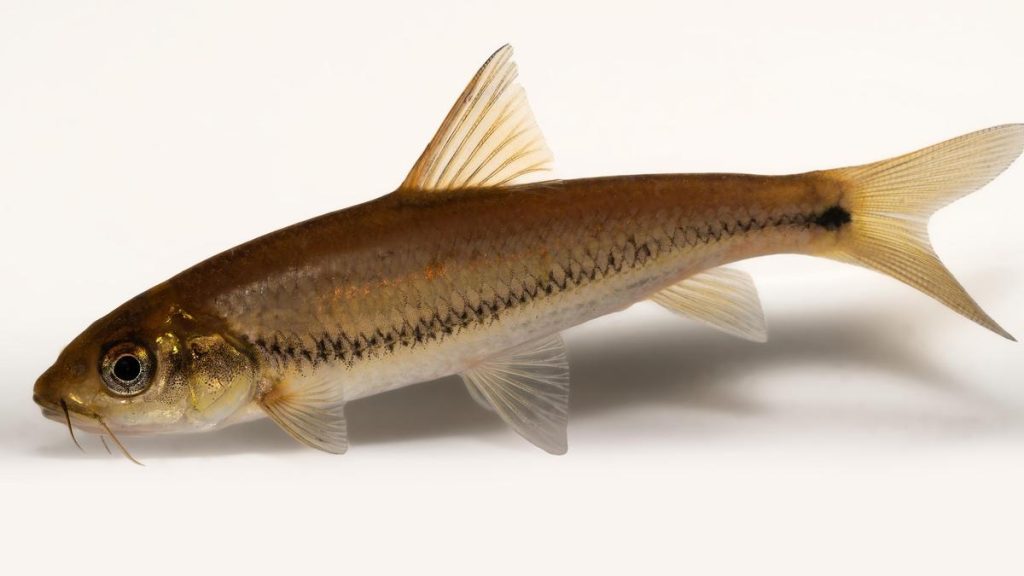
study unveils fish species:
Study unveils new fish species in Western Ghats, solves evolutionary riddle Scientists at the Kerala University of Fisheries and Ocean Studies announced the discovery of a previously unknown fish species in the Western Ghats, a biodiversity hotspot in western India. The discovery, which has been years in the making, brings to light an evolutionary enigma that has long puzzled researchers. For over seven decades, a species of hill stream fish had been misclassified as another, more widespread species..
However, thanks to a thorough analysis of morphological and molecular features, the research team has confirmed the existence of Eechathalakenda incognita as a distinct species. Ajmal Khan, employed a multi-disciplinary approach to their study. The team, comprising experts from various fields, including biology, ecology, and evolutionary genetics, delved into the intricacies of the fish’s anatomy and genetics..
This meticulous examination involved the study of over 100 specimens, as well as extensive DNA analysis. The results, published in the journal Molecular Phylogenetics and Evolution, reveal a surprising level of divergence between Eechathalakenda incognita and its previously misidentified counterpart. Khan, the discovery of Eechathalakenda incognita not only expands our understanding of India’s aquatic biodiversity but also sheds light on the complex evolutionary history of the region..
The Western Ghats, a mountain range stretching along the western coast of India, is home to an astonishing array of endemic species. However, the high levels of endemism and species diversity in this region also pose significant challenges for taxonomists seeking to classify and understand these populations. Eechathalakenda incognita, like other hill stream fish, inhabits fast-flowing rivers and streams in the Western Ghats..
While superficially resembling its more widespread cousin, Eechathalakenda ophicephala, the newly discovered species exhibits distinctive morphological features. These include a differently shaped mouth, smaller scales, and a unique body coloration pattern. These anatomical differences, combined with genetic variations, confirm the species-specific status of Eechathalakenda incognita..
The discovery of Eechathalakenda incognita is a testament to the importance of continued research and exploration in the field of biology. Khan’s team has made a groundbreaking contribution to our understanding of aquatic biodiversity and underscores the need for continued study of these fascinating organisms. The study provides a comprehensive review of the classification, ecology, and evolution of Eechathalakenda incognita, as well as insights into the broader ecological dynamics of the Western Ghats..
While the discovery of Eechathalakenda incognita brings attention to the Western Ghats’ remarkable biodiversity, concerns about habitat degradation and human impact on this fragile ecosystem persist. Efforts to preserve and protect the region’s ecological integrity must continue to prioritize species conservation. Researchers stress the importance of ongoing research into the biology and ecology of Eechathalakenda incognita, as well as other endemic species found in this region..
The discovery of Eechathalakenda incognita has significant implications for our understanding of the evolutionary history of India’s hill stream fish. Khan’s research has shed light on the complex relationships between Eechathalakenda incognita and its previously misidentified counterpart, Eechathalakenda ophicephala. These findings demonstrate the dynamic nature of species classification and underscore the importance of ongoing taxonomic research..
The Western Ghats are home to over 2,000 known species of fish, a remarkable proportion of which are endemic to the region. These unique and often tiny fish inhabit a delicate ecosystem, which is facing numerous threats. Habitat destruction, overfishing, and human-induced pollution all pose significant challenges to the region’s biodiversity..
The discovery of Eechathalakenda incognita highlights the need for continued research into the ecology and conservation of this rich and threatened ecosystem. By employing advanced genetic and morphological techniques, Dr. Khan’s team has confirmed the existence of Eechathalakenda incognita..
The research has sparked renewed interest in the study of hill stream fish and serves as a testament to the ongoing importance of taxonomic research in biology. As we continue to explore and understand the complex relationships between species and their environments, valuable insights are gained into the rich natural history of the Western Ghats. Eechathalakenda incognita has been found in the upper reaches of Kerala’s Western Ghats mountain streams..
The species has adapted to the fast-flowing waters and complex substrate of the region’s rivers. A better understanding of its unique ecological requirements will inform conservation efforts and support the long-term survival of this newly discovered species. While Eechathalakenda incognita may be a small but remarkable addition to the region’s fish fauna, it has significant implications for our broader understanding of ecosystem complexity..
The study provides powerful insights into the intricate relationships between species, their habitats, and the dynamic processes that shape these ecosystems. Eechathalakenda incognita and other hill stream fish in the Western Ghats are crucial indicators of the region’s ecological health. Threats to their habitats and populations have cascading effects on the entire ecosystem, which makes conservation and research into these species increasingly urgent..
As we strive to preserve the natural heritage of the Western Ghats, continued research into the region’s aquatic biodiversity remains essential. Khan’s research serves as a poignant reminder of the need for ongoing research and exploration in fields such as biology, ecology, and evolutionary genetics..
Updated: June 9, 2026
Summary: Researchers at the Kerala University of Fisheries and Ocean Studies have identified a new species of fish in the Western Ghats, a biodiversity hotspot in western India, solving an evolutionary mystery that puzzled scientists for over seven decades. The newly discovered fish, Eechathalakenda incognita, has been found to have distinctive features, including a differently shaped mouth and unique body coloration, setting it apart from its previously misidentified cousin.
This development highlights evolving dynamics and may have broader implications in the near term.