Europe warns of Russia’s hybrid attacks but struggles to counter them
  Former chief election commissioner calls SIR scheme illegal.
  A Corruption Scandal Is Reshaping Brazil’s Presidential Election
  US citizen injured in Illinois after ICE agents mistook him for fugitive, tried to arrest him
  At 10 years old, Smithsonian’s Black museum is undaunted amid pressure from Trump administration
 Chinese conglomerate Jingye seeks 1bn compensation from UK over British Steel nationalisation
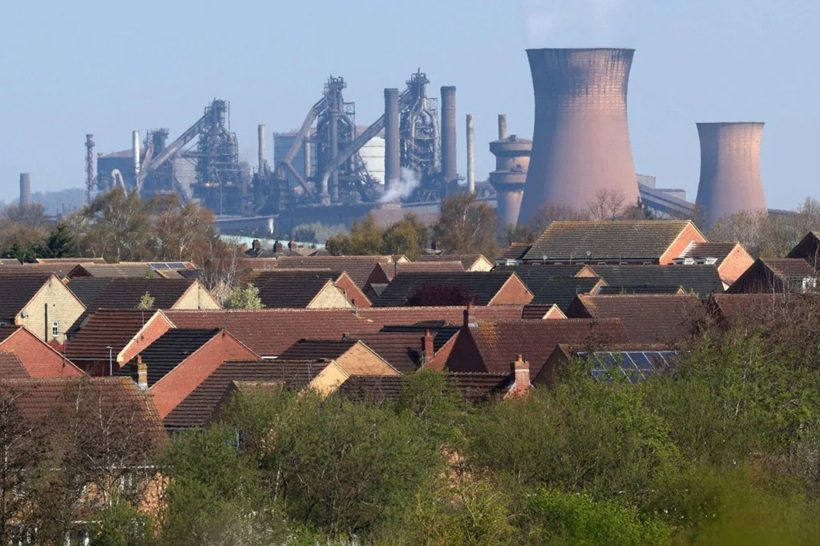
China’s Jingye Seeks Compensation from UK Over British Steel Takeover China’s Jingye Steel has initiated formal proceedings under an international treaty to claim over £1bn in compensation from the UK government over its decision to nationalise the Scunthorpe steelworks. The development marks a significant escalation in a dispute that has been ongoing for over a year, with negotiations having stalled over the size of any potential payout. Sources close to the matter have confirmed that Jingye is pursuing the claim under China’s bilateral investment treaty with the UK..
According to insiders, the Chinese conglomerate is seeking compensation for the UK’s intervention in the running of British Steel last year. The nationalisation effort was prompted by concerns over the company’s financial stability, amid a struggling global steel market. However, Jingye’s bid for compensation is likely to put pressure on the relationship between China and the UK, as both countries struggle to balance economic and diplomatic interests..
The move by Jingye is seen as a significant test of the UK’s commitment to protecting foreign investors, particularly those from China. Experts have noted that China’s bilateral investment treaty with the UK has been a point of contention in recent years, as Beijing has sought to use the agreement to protect its companies operating abroad. Jingye’s compensation claim will likely draw attention to the UK’s treatment of foreign investors, particularly those from countries with significant economic heft like China..
British Steel’s nationalisation last year was a complex affair, involving a series of emergency loans and asset sales. The UK government intervened after the company’s main pension scheme faced a significant deficit, sparking fears that the entire business could collapse. Jingye’s bid to recoup compensation is centered on the idea that the UK’s actions unfairly prejudiced the Chinese conglomerate’s ownership rights..
Jingye’s lawyers have argued that the UK’s nationalisation of British Steel breached key provisions of the bilateral investment treaty, including protections around expropriation and fair treatment of investors. The company has stated that it is seeking a significant payout to reflect the losses it incurred due to the UK’s actions. However, the UK government has so far maintained that its intervention was necessary to protect British Steel’s workers and customers..
The UK’s treatment of British Steel has been subject to scrutiny from the European Commission, which has launched its own investigation into the matter. However, it remains unclear whether the EU’s regulatory framework will have any bearing on Jingye’s compensation claim. As the UK’s relationship with China continues to evolve, the case is likely to attract significant attention in both London and Beijing..
The dispute has far-reaching implications for international investment law, particularly in relation to the treatment of foreign investors in sensitive sectors like steel. Jingye’s claim is set to be watched closely by investors and governments around the world, as both sides contest the finer points of the bilateral investment treaty. The row has also raised concerns over the potential for diplomatic fallout between the UK and China..
British Steel’s pension scheme remains a key area of contention in the dispute. The UK’s nationalisation effort was prompted in part by fears that the scheme faced a massive deficit, sparking concerns about the company’s long-term financial sustainability. Jingye’s lawyers have argued that the UK’s interventions unfairly prejudiced the company’s ownership rights, leading to significant losses..
As Jingye pursues its compensation claim, the UK government must navigate a complex web of international law and diplomacy. The case requires delicate balancing of competing interests, including those of workers, pension holders, and investors. The UK’s handling of British Steel’s nationalisation has already drawn criticism from some quarters, with accusations that the government prioritized short-term economic objectives over long-term investment protection..
Meanwhile, China’s government has stated its support for Jingye’s efforts to recover compensation from the UK. Beijing has been keen to showcase its growing economic presence abroad, particularly in the UK. The dispute has raised concerns over the potential for tensions between the two countries, amid growing unease over China’s trade practices and Belt and Road Initiative..
The UK’s relationship with China is becoming increasingly complex, with a range of diplomatic, economic, and security issues at play. Jingye’s compensation claim is set to be a major focus of these tensions, as both sides contest the finer points of the bilateral investment treaty. The case has significant implications for international investment law, particularly in relation to the treatment of foreign investors in sensitive sectors..
Jingye’s move is also seen as a test of the UK’s commitment to investment protection post-Brexit. After leaving the EU, the UK is seeking to establish new trade agreements with countries around the world. However, its treatment of British Steel has raised concerns about its ability to balance competing interests, particularly those of foreign investors..
The dispute has far-reaching implications for the UK’s economic and diplomatic relationships, particularly with China. The UK government has thus far remained tight-lipped on the specifics of Jingye’s compensation claim. However, the case is likely to receive intense scrutiny in the coming weeks and months, as both sides contest the finer points of the bilateral investment treaty..
The outcome has significant implications for international investment law, particularly in relation to the treatment of foreign investors in sensitive sectors like steel. Meanwhile, British Steel’s workers and pension holders remain anxious about the outcome of the dispute. The company’s nationalisation has had significant impacts on employment and pension benefits, with thousands of jobs remaining at risk..
Despite the complexity of the issue, Jingye’s compensation claim has raised concerns over the potential for further economic uncertainty, as both sides contest the finer points of the bilateral investment treaty. The development has also raised concerns over the potential for wider economic instability, particularly in regions like the North of England where British Steel operates. The company’s Scunthorpe plant remains a key industrial site, employing thousands of people and contributing to the local economy..
However, the outcome of the dispute has far-reaching implications for the UK’s economic and diplomatic relationships, particularly with.
Updated: June 11, 2026
China’s Jingye Steel is seeking £1bn in compensation from the UK government over the nationalisation of British Steel, claiming that the intervention unfairly prejudiced its ownership rights. The move is a significant test of the UK’s commitment to protecting foreign investors, particularly those from China, and has implications for international investment law.
The UK’s handling of British Steel’s nationalisation has set a precarious precedent, potentially deterring foreign investors and straining diplomatic ties with China. As Jingye’s compensation claim unfolds, it will be a crucial test of the UK’s ability to balance economic interests with its commitment to protecting foreign investors, amid growing global scrutiny.