Europe warns of Russia’s hybrid attacks but struggles to counter them
  Former chief election commissioner calls SIR scheme illegal.
  A Corruption Scandal Is Reshaping Brazil’s Presidential Election
  US citizen injured in Illinois after ICE agents mistook him for fugitive, tried to arrest him
  At 10 years old, Smithsonian’s Black museum is undaunted amid pressure from Trump administration
 India Bets Big on Domestic Drones for Future Warfare, Accelerates Push for Indigenous Defense Technology
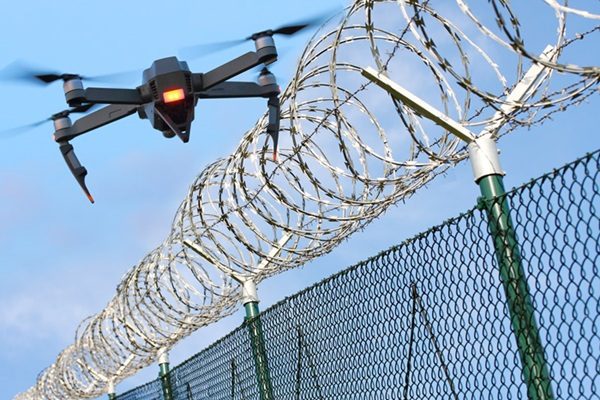
india bets domestic drones:
India is significantly expanding its investment in domestically developed drones as military planners prepare for the future of warfare, where unmanned systems are expected to play a decisive role. The move aligns with the government’s broader push for defence self-reliance and aims to reduce dependence on foreign suppliers while strengthening the country’s technological and strategic capabilities.
India’s Drone Revolution Gains Momentum
India is rapidly transforming its defence strategy by placing drones and unmanned systems at the center of its future military planning. Driven by lessons from recent global conflicts and evolving battlefield requirements, the Indian armed forces are increasingly turning to indigenous drone manufacturers to develop surveillance, reconnaissance, combat, and logistics platforms.
The growing emphasis on domestic drone production reflects New Delhi’s broader ambition to achieve self-reliance in defence manufacturing under the “Atmanirbhar Bharat” initiative. Policymakers and military leaders believe that indigenous drone capabilities will not only enhance national security but also reduce reliance on imported defence equipment.
Changing Nature of Modern Warfare
Recent conflicts around the world have highlighted the transformative role of drones in military operations. From intelligence gathering and precision strikes to electronic warfare and battlefield surveillance, unmanned aerial systems have become indispensable tools for modern armed forces.
Military analysts point to the conflicts in Ukraine, the Middle East, and the South Caucasus as examples of how relatively low-cost drones can significantly influence battlefield outcomes. These developments have prompted countries worldwide, including India, to rethink traditional defence strategies.
For India, which faces complex security challenges along its borders with China and Pakistan, drones offer a cost-effective way to improve situational awareness and operational readiness across diverse terrains, including mountains, deserts, and maritime regions.
Boosting Indigenous Manufacturing
India’s defence sector has witnessed a surge in drone startups and private manufacturers in recent years. Government initiatives aimed at promoting domestic production have encouraged innovation and investment in unmanned technologies.
Indian companies are now developing a wide range of platforms, including:
- Surveillance drones
- Tactical battlefield drones
- Loitering munitions
- Swarm drone systems
- Cargo and logistics drones
- Maritime surveillance platforms
- Counter-drone technologies
The government has also introduced production-linked incentives, procurement reforms, and restrictions on the import of certain drone categories to stimulate local manufacturing.
Military Procurement Expands
The Indian Army, Navy, and Air Force have all accelerated drone acquisitions from domestic suppliers.
The Army is focusing on:
- Border surveillance
- High-altitude reconnaissance
- Precision strike capabilities
- Swarm drone operations
The Air Force is investing in:
- Advanced intelligence, surveillance, and reconnaissance platforms
- Combat drone technologies
- Electronic warfare applications
The Navy is deploying drones for:
- Maritime domain awareness
- Coastal surveillance
- Anti-piracy operations
- Monitoring critical sea lanes
These investments are expected to increase significantly over the coming years as unmanned systems become integrated into mainstream military doctrine.
Swarm Technology Emerges as a Key Priority
One of the most promising areas of development is swarm drone technology. Swarm systems involve large numbers of autonomous drones operating together to overwhelm enemy defenses, conduct reconnaissance, or perform coordinated attacks.
Indian defence researchers and private companies are actively working on swarm capabilities, which many experts view as a critical component of future warfare.
Such systems offer several advantages:
- Lower operational costs
- Enhanced survivability
- Operational flexibility
- Ability to saturate enemy air defenses
Reducing Dependence on Foreign Suppliers
Historically, India has been one of the world’s largest importers of military equipment. However, dependence on foreign suppliers can create logistical, strategic, and geopolitical vulnerabilities.
The push for indigenous drone production aims to:
- Strengthen supply chain security
- Reduce procurement costs
- Improve maintenance capabilities
- Enhance operational independence
- Promote domestic technological innovation
Officials believe that local manufacturing can also create a robust defence-industrial ecosystem capable of supporting future military requirements.
Challenges Remain
Despite significant progress, India’s drone industry still faces several challenges.
These include:
- Dependence on imported electronic components
- Advanced semiconductor requirements
- Battery technology limitations
- Engine and propulsion systems development
- Cybersecurity concerns
- Regulatory and certification hurdles
Industry experts argue that continued investment in research and development will be essential to overcoming these obstacles and achieving long-term competitiveness.
Strategic Implications for Regional Security
The expansion of India’s drone capabilities comes amid increasing geopolitical competition in the Indo-Pacific region. Both China and Pakistan have invested heavily in drone technologies, prompting Indian planners to accelerate modernization efforts.
Indigenous drones are expected to play an important role in:
- Border security operations
- Counterterrorism missions
- Maritime surveillance
- Strategic deterrence
- Rapid response operations
As drone technology continues to evolve, unmanned systems are likely to become a central pillar of India’s defence posture.
Economic Benefits Beyond Defence
The growth of the domestic drone sector is expected to generate benefits beyond military applications.
Technologies developed for defence purposes often find civilian uses in:
- Agriculture
- Infrastructure inspection
- Disaster management
- Logistics
- Environmental monitoring
This dual-use potential could help create new industries, attract investment, and generate high-skilled employment opportunities across the country.
India’s commitment to indigenous drone development signals a major shift in defence planning. As warfare becomes increasingly technology-driven, unmanned systems are expected to play a larger role in military operations worldwide.
By investing heavily in domestic innovation, manufacturing, and research, India aims to position itself not only as a major military power but also as a global hub for advanced drone technology.
India’s drone strategy represents more than a defence modernization effort—it is a long-term technological investment designed to reshape the country’s military and industrial capabilities. Success will depend not only on producing drones domestically but also on developing critical technologies such as artificial intelligence, autonomous navigation, secure communications, and advanced sensors. If these ambitions are realized, India could emerge as one of the world’s leading drone powers while simultaneously strengthening national security and economic growth.