Europe warns of Russia’s hybrid attacks but struggles to counter them
  Former chief election commissioner calls SIR scheme illegal.
  A Corruption Scandal Is Reshaping Brazil’s Presidential Election
  US citizen injured in Illinois after ICE agents mistook him for fugitive, tried to arrest him
  At 10 years old, Smithsonian’s Black museum is undaunted amid pressure from Trump administration
 Trump Says Next Phase of Iran Agreement Will Be ‘Easier’ as G7 Leaders Press for Progress on Ukraine
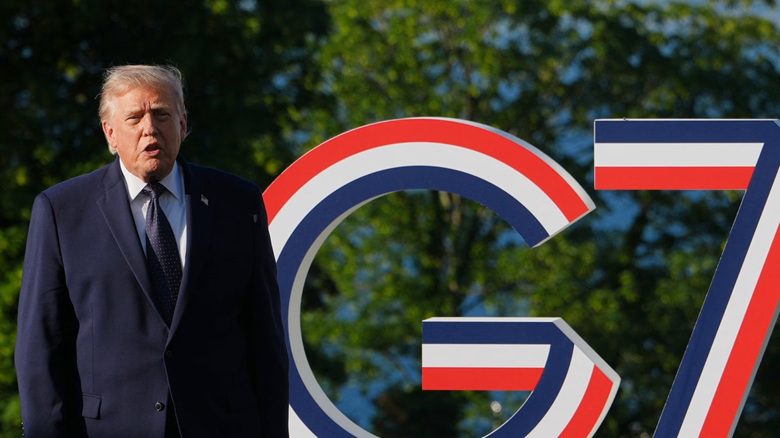
U.S. President Donald Trump said the Iran agreement is moving into a “second stage” that could be easier to complete as he met world leaders at the G7 Summit in France. The summit also focused heavily on the war in Ukraine, with Trump holding talks with Ukrainian President Volodymyr Zelenskyy and signaling support for renewed peace efforts.
Trump Highlights Progress on Iran Deal: Speaking on the sidelines of the G7 Summit in Évian-les-Bains, France, President Donald Trump expressed confidence that negotiations with Iran are entering a more manageable phase. Trump said the agreement was moving to a “second stage” and suggested that the next steps could be easier than the initial negotiations. He also reiterated that the United States would not be making direct financial investments in Iran as part of the arrangement.
The Iran agreement has become one of the most significant diplomatic issues discussed at the summit. Trump has repeatedly argued that the deal could contribute to stability in the Middle East, while European leaders have urged caution and called for stronger long-term guarantees regarding Iran’s nuclear and regional activities.
Ukraine Remains a Central Focus: Alongside Iran, the ongoing war in Ukraine dominated discussions among G7 leaders. Trump held talks with Ukrainian President Volodymyr Zelenskyy, describing their meeting as “very good.” Following the discussions, Trump said Russia should reach a peace agreement and indicated he would continue efforts to help bring an end to the conflict.
European leaders welcomed Trump’s comments, viewing them as a potentially positive sign for future diplomatic engagement. German Chancellor Friedrich Merz and other leaders expressed cautious optimism that renewed international pressure could help create conditions for peace negotiations.
Zelenskyy Seeks Stronger International Support: President Zelenskyy used the summit to press allies for additional support and tougher sanctions on Russia. According to reports from the summit, discussions included possible new measures targeting Russian oil exports, banking institutions, and military production capabilities. Zelenskyy later said that G7 leaders agreed Russia was not winning the war and discussed ways to increase pressure on Moscow.
The Ukrainian leader also welcomed what he described as constructive conversations with world leaders and thanked partners for proposing new ideas aimed at advancing peace efforts.
A G7 Summit Shaped by Global Crises : The 2026 G7 Summit has been heavily influenced by major geopolitical challenges, including the Iran agreement, the war in Ukraine, global economic concerns, energy security, and trade tensions. Trump arrived at the summit portraying the Iran deal as a major diplomatic achievement and indicated that ending the conflict in Ukraine would be among his next priorities.
While many leaders welcomed signs of progress, several European governments remain concerned that any Iran agreement must address long-term security issues and regional stability. They have also continued to push for a coordinated strategy toward Russia and Ukraine.
The coming weeks are expected to be critical for both diplomatic tracks. Negotiators will continue working on the next phase of the Iran agreement, while Ukraine and its allies seek stronger international backing to increase pressure on Russia. Trump’s comments at the G7 suggest that Washington intends to remain actively involved in both issues, though many details of future negotiations remain unclear.
The simultaneous focus on Iran and Ukraine highlights how interconnected global security challenges have become. Trump’s confidence about the “second stage” of the Iran agreement suggests momentum in Middle East diplomacy, but European concerns indicate that significant obstacles remain. Meanwhile, Ukraine continues to test Western unity, making the G7 summit an important gauge of international commitment. Whether these discussions translate into lasting agreements will depend on the willingness of all parties to move from political statements to concrete diplomatic action.
This is a developing story. More updates will follow as new information becomes available.