
 Bihar minister proposes renaming town to honour Nitish Kumar
  Keralam’s multiplex pricing debate: SC order in 2023 permits cinema hall owners to fix food prices
  DMK chief Stalin accuses Tamil Nadu CM Vijay of using ‘reels’ to cover up administrative failures
  High Court pauses data centre lease dispute.
  CSD urges govt to drop Gram Sabha consent rule for projects
 US, Iran discuss nuclear inspections
** The United States and Iran have presented conflicting accounts of their recent nuclear discussions, sparking confusion and concern among international observers. While President Trump claims that Iran has agreed to the highest level of inspections, Iranian officials dispute this assertion, raising questions about the progress of the negotiations and the prospects for a lasting agreement.
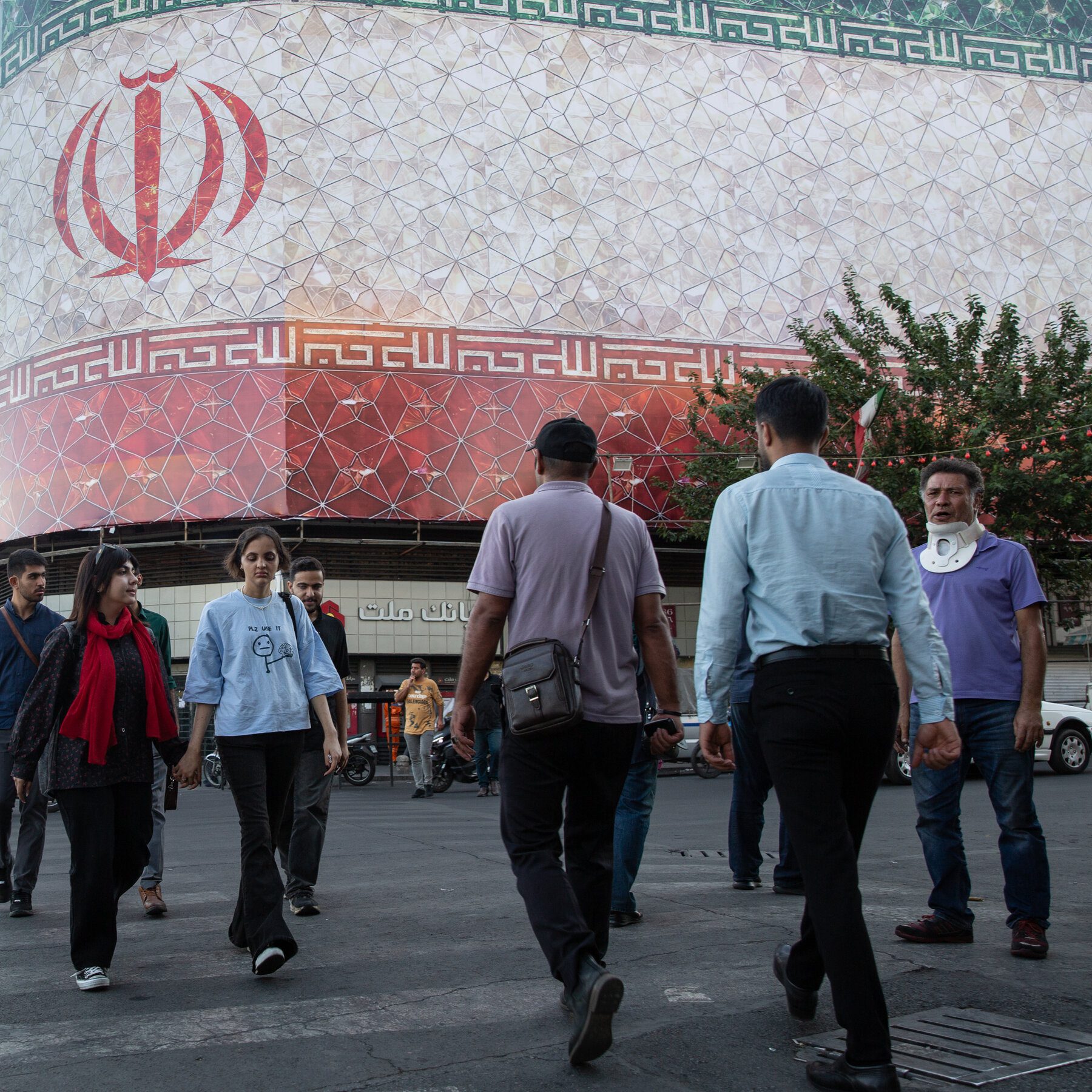
Iran Rejects Trump Talks Until 2029, Adopts 'Strategic Patience' as Strait of Hormuz Standoff Deepens - AI News Breaking
The United States and Iran have presented conflicting accounts of their recent nuclear discussions, sparking confusion and concern among international observers. President Trump claimed that Iran had agreed to the highest level of inspections, a significant concession in the ongoing negotiations. However, this assertion was quickly disputed by an Iranian official, who stated that there were no detailed discussions on the nuclear issue during the talks..
The discrepancy between the two sides has raised questions about the progress of the negotiations and the prospects for a lasting agreement. The US and Iran have been engaged in a delicate dance, with each side seeking to extract concessions from the other. The latest round of talks has been shrouded in secrecy, adding to the uncertainty and speculation surrounding the negotiations..
President Trump’s claim about the inspections was made during a press conference, where he expressed optimism about the prospects for a deal. He stated that Iran had agreed to allow inspectors to access all of its nuclear facilities, including those that have been off-limits in the past. However, this assertion was not corroborated by the Iranian side, which has been tight-lipped about the details of the discussions..
The Iranian official, who spoke on condition of anonymity, dismissed President Trump’s claim as exaggerated and inaccurate. The official stated that while the two sides had discussed a range of issues, including the nuclear program, there were no concrete agreements or concessions made. This account has been backed up by other Iranian sources, who have described the talks as preliminary and exploratory..
The conflicting accounts have sparked a heated debate among analysts and experts, with some arguing that the US is seeking to create a false narrative about the talks. Others have suggested that the Iranians are seeking to downplay the significance of the discussions, in order to avoid provoking hardline elements within the country. The truth, as is often the case in such negotiations, likely lies somewhere in between..
The nuclear issue has been a major point of contention between the US and Iran, with the two sides having fundamentally different views on the scope and scale of Iran’s program. The US has been seeking to restrict Iran’s nuclear activities, citing concerns about the country’s potential to develop a nuclear weapon. Iran, on the other hand, has insisted that its program is purely peaceful and that it has the right to develop its nuclear capabilities..
Despite the differences, the two sides have been engaged in a series of talks, seeking to find common ground and a way forward. The latest round of discussions has been seen as a significant step forward, with both sides appearing to be more flexible and open to compromise. However, the conflicting accounts of the talks have raised questions about the sincerity of the two sides and their commitment to a lasting agreement..
The international community has been watching the talks with great interest, recognizing the significance of a potential deal between the US and Iran. A agreement would not only help to reduce tensions in the region but also provide a major boost to the global non-proliferation regime. However, the failure of the talks would have far-reaching consequences, potentially leading to a escalation of the conflict and a destabilization of the region..
The European Union, in particular, has been keenly following the developments, recognizing the importance of a deal in maintaining regional stability. EU officials have been in close contact with both the US and Iran, seeking to facilitate a compromise and encourage the two sides to continue talking. The EU has also been working to preserve the existing nuclear agreement, which has been under threat since the US withdrew from the deal last year..
The US withdrawal from the nuclear agreement has been a major point of contention, with Iran seeking to renegotiate the terms of the deal. The US has been seeking to impose tougher restrictions on Iran’s nuclear program, while also addressing other concerns, such as the country’s ballistic missile program and its regional activities. Iran, on the other hand, has insisted that the US must return to the original agreement and lift all sanctions before it will consider any further concessions..
As the talks continue, it remains to be seen whether the two sides can overcome their differences and reach a lasting agreement. The conflicting accounts of the discussions have raised questions about the prospects for a deal, but they have also highlighted the complexity and challenges of the negotiations. The US and Iran are engaged in a delicate and intricate dance, with each side seeking to extract concessions from the other while avoiding any major compromises..
The next round of talks is expected to take place in the coming weeks, with the two sides seeking to build on the progress made so far. However, the conflicting accounts of the discussions have raised questions about the sincerity of the two sides and their commitment to a lasting agreement. As the negotiations continue, it remains to be seen whether the US and Iran can overcome their differences and find common ground, or whether the talks will ultimately collapse under the weight of their competing demands and interests..
The international community will be watching the talks with great interest, recognizing the significance of a potential deal between the US and Iran. A agreement would not only help to reduce tensions in the region but also provide a major boost to the global non-proliferation regime. The outcome of the talks will have far-reaching consequences, shaping the future of the region and the world for years to come..
Updated: June 23, 2026
The disconnect between the US and Iran’s accounts of their nuclear discussions underscores the fragile trust between the two nations, threatening to derail the delicate negotiations and potentially plunging the region into further instability. Ultimately, the success of these talks will depend on the willingness of both sides to reconcile their competing interests and find a middle ground, rather than relying on contradictory narratives to sway international opinion.