
 CSD urges govt to drop Gram Sabha consent rule for projects
  NATS glitch causes major Heathrow flight delays and cancellations
  Yemen Tilts Toward Full-Scale War as Saudi-Houthi Clashes Escalate
  Syrian weapons depot explosion kills 14 in Idlib
 Director Carl Rinsch Sentenced to 30 Months for Netflix Fraud
** Director Carl Rinsch has been sentenced to 30 months in prison for his role in a Netflix fraud case, with testimony from Keanu Reeves and others highlighting his struggles with mental health and the pressures of the film industry. The case has sparked a national conversation about mental health, compassion, and accountability in the entertainment industry.
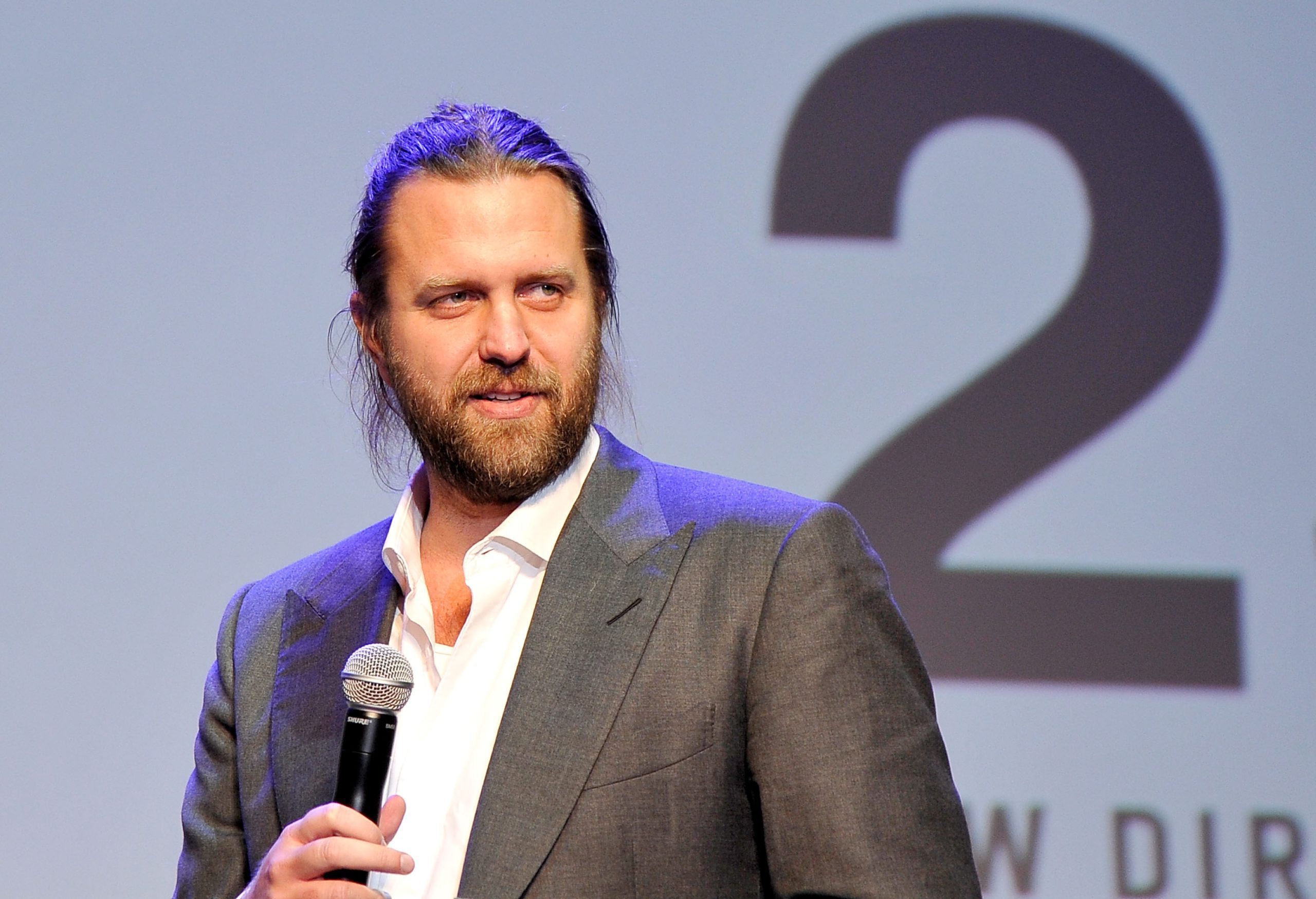
Director Carl Rinsch Sentenced to 30 Months in Netflix Fraud Case After Keanu Reeves and Attorneys Cite Mental Health Struggles Federal judge Jed Rakoff handed down a 30-month prison sentence to director Carl Rinsch on Monday, as part of a highly publicized Netflix fraud case. The sentence, which marked a significant reduction from the recommended 60 months, was influenced by compelling testimony regarding Rinsch’s mental health struggles. Character witnesses, including actor Keanu Reeves, presented a comprehensive picture of the director’s deteriorating mental state, potentially contributing to his involvement in illegal activities..
Rinsch was found guilty in December of wire fraud and money laundering charges, following an investigation into his dealings with Netflix. Prosecutors alleged that the director had deceived investors by misrepresenting his financial situation and the potential success of his projects. The conviction highlighted a growing concern over the lack of accountability in the entertainment industry’s business dealings..
In the months leading up to the trial, Rinsch’s mental health began to deteriorate at an alarming rate. His defense team presented evidence of this decline, with friends and colleagues reporting a significant increase in erratic behavior. This deterioration, combined with a history of anxiety and depression, led some to speculate that Rinsch’s actions were not solely driven by malicious intent..
Actor Keanu Reeves, a long-time friend and collaborator of Rinsch, took the stand to provide a character testimony. He described Rinsch as a talented and caring individual, deeply troubled by the pressures of the film industry. Reeves’s words highlighted the director’s vulnerability, making his ultimate conviction all the more complex..
As the investigation into Rinsch’s Netflix dealings unfolded, it became clear that the director had been engaged in a web of deceit. He allegedly falsified financial documents and misled investors about the viability of his projects. The consequences of his actions sent shockwaves through the entertainment industry, raising important questions about the ethics of business practices in Hollywood..
Judge Rakoff’s deliberation process likely took into account the testimony presented during the trial. The prosecution pushed for a 60-month sentence, while the defense team advocated for leniency. Ultimately, the judge decided to split the difference, handing down a 30-month sentence that reflected both the severity and mitigating circumstances of the case..
While the outcome has sparked controversy among some segments of the film community, others have commended the judicial system for acknowledging the complexities of Rinsch’s situation. The decision underscores the importance of considering mental health in cases where guilt is uncertain or complicated by mitigating factors. In a post-trial statement, prosecutors expressed disappointment with the sentence, emphasizing that justice had not been fully served..
However, the defense team welcomed the decision, citing its acknowledgment of Rinsch’s mental health struggles. This divergence in opinion reflects the multifaceted nature of the case and the difficulty in making moral judgments in such a situation. As Rinsch begins his 30-month sentence, the film industry is left to grapple with the aftermath of the Netflix fraud case..
Many are questioning the accountability mechanisms in place and the responsibility that comes with financial dealings. While this incident has brought attention to issues plaguing the industry, it also serves as a stark reminder that even the most talented creatives can fall victim to their own vulnerabilities. With Rinsch’s career at an uncertain crossroads, questions surround his future prospects..
Will he be able to redeem himself, or will the stain of his conviction forever taint his reputation? Only time will tell whether he can navigate the treacherous waters of his personal and professional life, emerging stronger and wiser. Keanu Reeves’s role in providing testimony has sparked a national conversation about mental health, compassion, and the treatment of vulnerable individuals in the film industry..
As the spotlight falls on this issue, many are urging entertainment organizations and mental health professionals to provide more comprehensive support for creatives struggling with anxiety, depression, and other mental health concerns. The Netflix fraud case highlights the importance of responsible financial dealings in the film industry, as evidenced by Rinsch’s actions and subsequent conviction. It also underscores the need for empathy and understanding in dealing with creatives who are vulnerable to mental health issues..
This critical discussion may ultimately lead to changes in how Hollywood approaches business practices and personal well-being. Rinsch’s case raises difficult questions about personal responsibility, mental health, and the blurred lines between creativity and financial ambition. As this story continues to unfold, it will be critical to continue monitoring its impact on the film industry and beyond, in the hopes that lessons will be learned from this complex and nuanced case..
The intersection of mental health and accountability in the entertainment industry is a complex one, and Rinsch’s case highlights the need for a more nuanced approach to justice that considers the fragility of the human mind. By acknowledging the role of mental health in Rinsch’s actions, the court’s decision may pave the way for a more compassionate and supportive environment for creatives struggling with their own demons.