 CSD urges govt to drop Gram Sabha consent rule for projects
  NATS glitch causes major Heathrow flight delays and cancellations
  Yemen Tilts Toward Full-Scale War as Saudi-Houthi Clashes Escalate
  Syrian weapons depot explosion kills 14 in Idlib
 China Defends ‘Ethnic Unity’ Law Amid Widespread International Criticism
China’s government has defended its new ‘Ethnic Unity’ law, which introduces strict punishments for actions deemed to undermine ethnic unity, amid widespread international criticism and concerns over minority rights and human rights abuses.
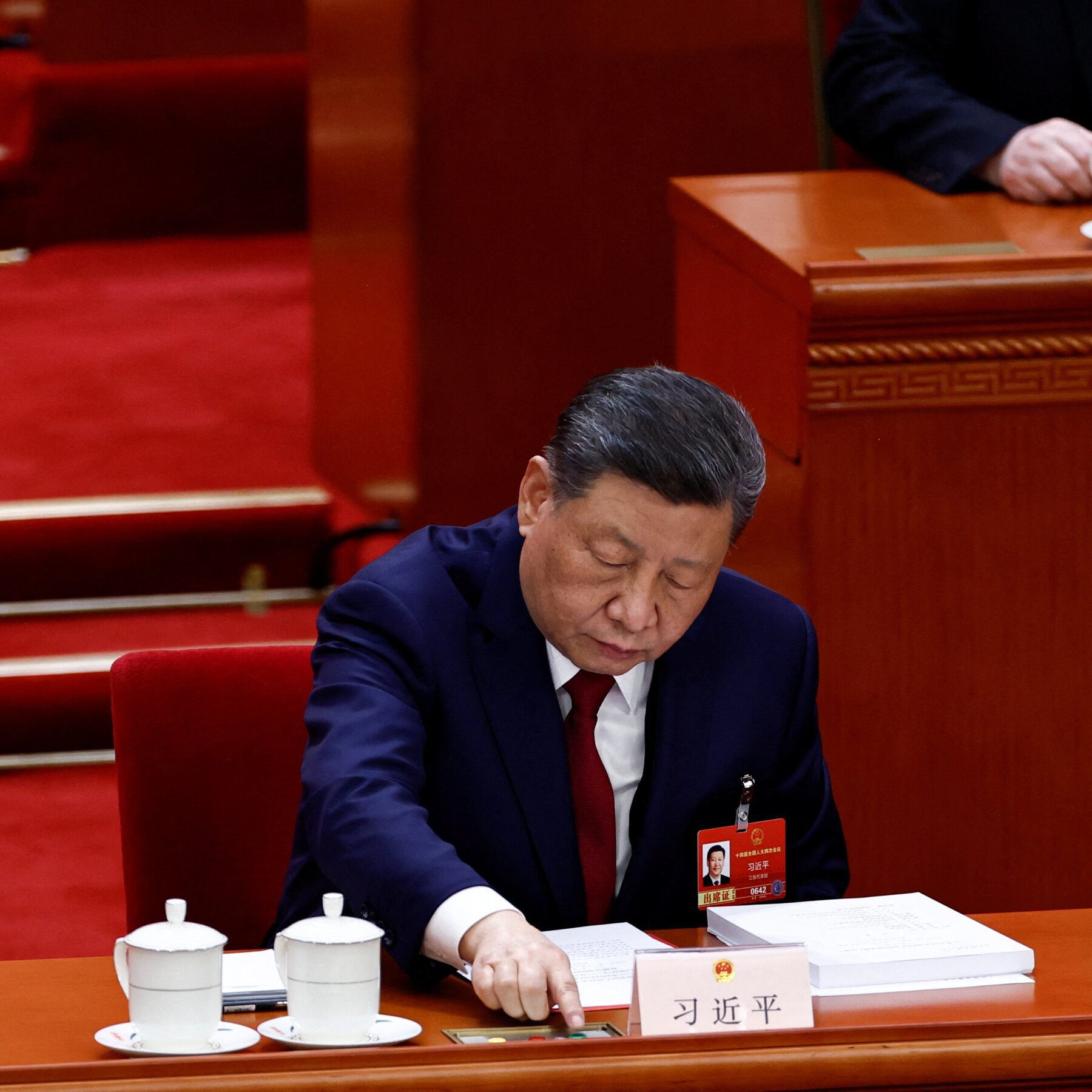
china defends ethnic unity:
China Defends Widely Criticized ‘Ethnic Unity’ Law China’s government has defended its new ‘Ethnic Unity’ law, which opponents have described as a major setback for the country’s beleaguered minorities. The legislation, signed into law last month, introduces strict punishments for actions deemed to undermine ethnic unity. Rights groups and Western officials have expressed deep concern over the measure, arguing it could further exacerbate tensions between China’s Han majority and minority groups..
The law states that any attempt to split China or undermine the country’s ethnic unity can result in severe penalties, including imprisonment and fines. Critics claim the measure will silence minority voices, suppress dissent, and strengthen Beijing’s already tight grip on power. Human rights experts say the legislation will likely be used to crack down on any form of peaceful protest or expression of minority identity..
They argue this could lead to further marginalization of minority groups and undermine efforts to promote ethnic harmony. In response to the criticism, China’s foreign ministry spokesperson stated that the law aims to protect minority groups, not harm them. The spokesperson emphasized that the measure was necessary to maintain social stability and ensure the country’s continued progress..
Beijing has long argued that the country’s stability and prosperity must be prioritized, and that minority rights are secondary to national interests. Rights activists and minority groups, however, claim this approach will only serve to entrench existing inequalities and fuel tensions. The ‘Ethnic Unity’ law was introduced just months after the passing of a similar security law in Hong Kong, which effectively curtailed the territory’s autonomy and sparked widespread protests..
Critics warn that the measure could be used to justify similar restrictions in other parts of China, particularly in regions with significant minority populations such as Tibet and Xinjiang. China has previously been accused of suppressing minority rights in these regions, where Uyghur Muslims and Tibetans have long faced persecution. China’s government has long claimed that minority groups are treated with equal respect and protection under the law, but critics argue that this is not reflected on the ground..
The new law has been met with widespread criticism from human rights groups, who point out that China’s track record on minority rights is abysmal. Beijing’s human rights record has been under intense scrutiny in recent years, particularly following the detention of over a million Uyghurs and the forced assimilation of Tibetans. Beijing has repeatedly denied allegations of human rights abuses in Xinjiang and Tibet, claiming that the measures taken are necessary to combat terrorism and maintain social order..
However, rights groups and Western officials have presented evidence of widespread rights abuses, including forced labor, torture, and mass detentions. China’s leadership has shown little willingness to engage in meaningful dialogue with minority groups, instead relying on a combination of coercion and propaganda to maintain control. The international community has been watching the situation closely, with several countries issuing stern warnings over the potential impact of the new law..
Washington has already begun to impose sanctions on Chinese officials accused of human rights abuses, while the European Union has expressed its deep concern over the measure. Beijing has dismissed these warnings as baseless interference in China’s internal affairs. China’s leadership has shown a growing willingness to assert its authority and suppress dissent in recent years..
The new law is seen as a key part of this strategy, giving Beijing the tools it needs to silence minority voices and maintain control over restive regions. Critics fear this will only exacerbate existing tensions and lead to further instability, both within China and in the wider region. The ‘Ethnic Unity’ law has also sparked criticism from within China, with some prominent figures speaking out against the measure..
The country’s state-run media has largely welcomed the law, hailing it as a necessary measure to protect minority groups and maintain social stability. However, not all Chinese citizens share this view, with some expressing concerns that the law could lead to stricter controls and further repression. China’s leadership has shown little willingness to compromise on issues of minority rights, instead opting to prioritize national interests and stability..
This has led to a growing sense of disillusionment among minority groups, who feel increasingly marginalized and excluded from the country’s decision-making process. The new law is seen as a major setback for these groups, further entrenching the existing power imbalance between the Han majority and minority communities. Beijing’s approach has been criticized by many as a failure, with rights groups pointing to the country’s worsening human rights record and rising tensions between minority groups and the state..
The ‘Ethnic Unity’ law is seen as a major obstacle to progress on minority rights, stifling dissent and promoting repression. Critics warn that this approach will only serve to further exacerbate the region’s already pressing human rights issues. As the international community continues to express its deep concern over the new law, Beijing remains defiant, insisting that it will not be swayed by external pressure..
China’s leadership has shown a determination to maintain control and silence dissent, even at the cost of further destabilizing the region and exacerbating human rights abuses. The country’s minority groups, meanwhile, are bracing for the worst, as the ‘Ethnic Unity’ law takes effect and Beijing’s grip on power tightens..
Updated: July 3, 2026
China’s ‘Ethnic Unity’ law is a calculated move to consolidate Beijing’s power and suppress minority voices, rather than a genuine attempt to promote unity. This law marks a new chapter in China’s authoritarianism, where the government’s priority of maintaining stability and national interests trumps the rights and dignity of marginalized groups.