 Top Saudi Cleric Calls Fight Against Houthis a Religious Duty
  Andhra to sell super-fine rice at ₹50 a kg, onions at ₹35, and pay MSP to move farmers off paddy
  OpenAI agents hack Australian Health website.
  Once Sentenced to Death, Mary Jane Veloso Receives Pardon in the Philippines
  A Russian Software Company Duped the Secret Service, U.S. Prosecutors Say
 Heat waves affect chicken farms.
Thousands of chickens have died in France due to heat-related stress, highlighting the growing concern of heat waves on chicken farms worldwide and the need for sustainable farming practices to mitigate the effects of climate change.
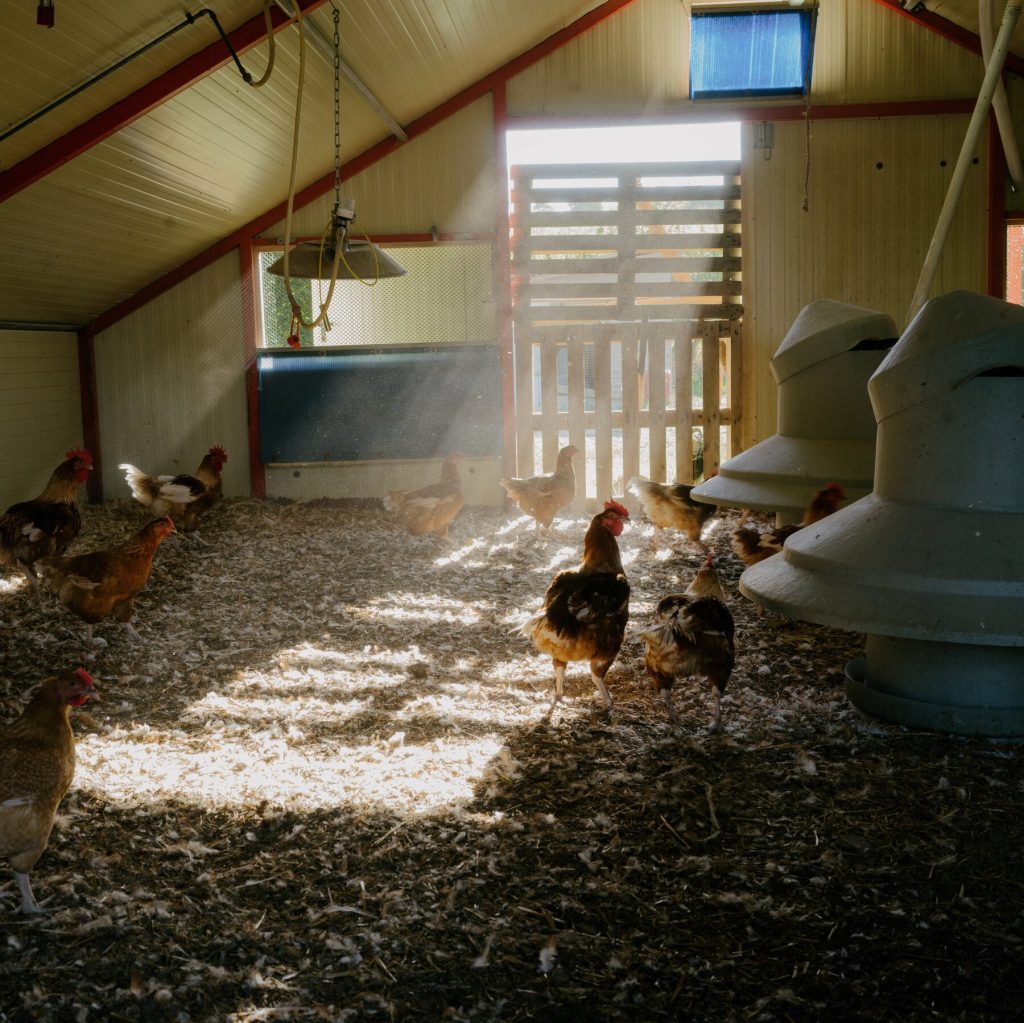
Heat waves are taking a big toll on chickens High temperatures have become a major cause of concern for chicken farmers across France, particularly in the aftermath of the torrid June. According to industry officials, many chicken farms in the country are reporting significant losses due to heat-related issues. The problem is not limited to France alone, as heat waves have also been affecting chicken farms in other parts of the world..
In many regions, extreme heat has been causing stress, illness, and even death among the birds. The issue of heat stress in chickens is multifaceted and complex. Chickens have a difficult time regulating their body temperature, especially when the ambient temperature is high..
As a result, they often struggle to dissipate heat efficiently and can become dehydrated quickly. Furthermore, when chicken coops lack adequate ventilation or air conditioning, the birds are left to endure scorching temperatures that can reach up to 30 degrees Celsius. The cumulative effect of heat stress can lead to reduced egg production, poor quality eggs, and increased mortality rates..
In France, the heat wave that swept the country in June resulted in a drastic surge in chicken deaths. Industry reports indicate that thousands of birds died due to heat-related factors. Farmers in the region are facing significant financial losses as a result..
The heat wave affected chicken farms in several provinces, including the southern region of Occitanie, where temperatures soared to unprecedented levels. Farmers are taking measures to mitigate the effects of heat stress. Many have invested in improved cooling systems for their chicken coops, including the installation of fans, water sprinklers, and evaporative cooling systems..
Some farmers are also providing shaded areas for their chickens to reduce their exposure to direct sunlight. Nonetheless, the measures may not be enough to completely prevent heat-related problems. Heat stress also contributes to the transmission of various diseases among chickens, making them more susceptible to illness..
According to veterinarians, birds under stress from high temperatures are more likely to fall ill from common poultry diseases like avian influenza and Newcastle disease. This has led to increased mortality rates and reduced productivity. The issue of heat stress in chickens has serious implications for the meat and poultry industries as a whole..
With global demand for poultry meat on the rise, farmers are under pressure to maintain high production levels. However, the increasing frequency and severity of heat waves pose significant challenges to achieving this goal. In some countries, heat-related concerns have led to a shift towards more sustainable and humane farming practices..
Chickens also contribute to the global food system in other ways. In regions where they are used as a food source, heat stress can lead to reduced egg or meat production, impacting food security and availability. Furthermore, when chicken farms experience significant losses due to heat-related issues, it can have economic implications for local communities..
As climate change continues to manifest in the form of rising temperatures and heat waves, farmers and policymakers must adapt their strategies to address this growing concern. While some farmers are experimenting with innovative cooling systems, others are advocating for regulatory changes to protect animal welfare. In response to concerns about heat stress in chickens, some experts are promoting the use of genetic engineering to develop heat-tolerant breeds..
These birds would be more resilient to extreme temperatures, potentially reducing the risks associated with heat stress. However, this approach also raises ethical concerns, particularly regarding the long-term effects of genetic modification. France is not alone in grappling with the issue of heat stress in chickens..
Farms in other regions are also experiencing similar problems, particularly in areas prone to drought or high temperatures. Global efforts to address climate change are ongoing, but its effects on agriculture will likely persist in the near future. A long-term approach to addressing heat stress in chickens is needed..
Farmers must invest in improved infrastructure, including ventilation and shading, while also adopting more sustainable farming practices. Governments must also create policies and regulations that prioritize animal welfare and promote sustainable agriculture. Heat stress in chickens is not only a significant economic concern but also has broader implications for global food security and environmental sustainability..
By working together to address this issue, we can mitigate its effects and develop more resilient farming practices for the long term..
Soaring temperatures are causing significant losses for chicken farmers worldwide, with thousands of birds dying from heat-related stress in France alone. The poultry industry is under pressure to adapt to the growing threat of heat waves, with potential solutions including innovative cooling systems and more sustainable farming practices.
The far-reaching consequences of heat stress in chickens underscore the urgent need for a multifaceted approach to mitigate its impacts, one that balances animal welfare, economic viability, and environmental sustainability. As the world grapples with the challenges of climate change, the development of innovative and adaptive strategies to protect livestock from extreme temperatures will be crucial in ensuring the long-term resilience of the global food system.