Europe warns of Russia’s hybrid attacks but struggles to counter them
  Former chief election commissioner calls SIR scheme illegal.
  A Corruption Scandal Is Reshaping Brazil’s Presidential Election
  US citizen injured in Illinois after ICE agents mistook him for fugitive, tried to arrest him
  At 10 years old, Smithsonian’s Black museum is undaunted amid pressure from Trump administration
 India Continues Deportations of Bangladeshi Migrants Along Border.
India’s deportation of Bangladeshi migrants has sparked outrage in Bangladesh, with many accusing India of human rights violations and disregard for the well-being of its citizens, leaving thousands in limbo and escalating border tensions.
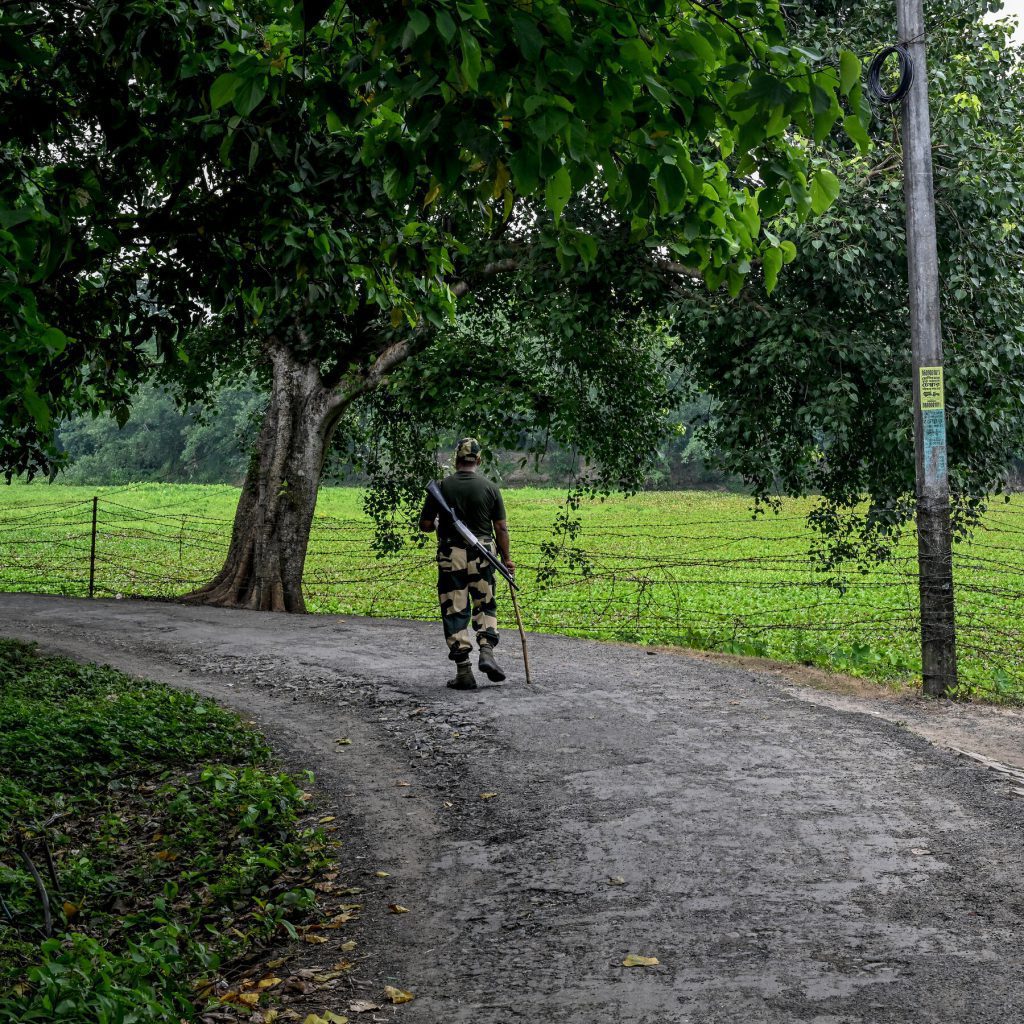
india continues deportations bangladeshi:
Deportations by India Cause Tension Along Border with Bangladesh Tensions between India and Bangladesh have escalated in recent weeks due to a surge in deportations of Bangladeshi immigrants who India claims have entered the country illegally. The move has left hundreds of people stranded along the border, with many unable to return to their families in Bangladesh. India’s decision to deport these individuals has been met with criticism from Bangladesh, which argues that it has not been informed about the deportations in advance..
As a result, thousands of people are now left in limbo, facing uncertain futures as they try to navigate a complex web of bureaucratic and diplomatic channels. The situation has sparked outrage in Bangladesh, with many accusing India of human rights violations and disregard for the well-being of its citizens. In response, Bangladesh has lodged a formal protest with India’s government, demanding an immediate halt to the deportations..
The situation along the border is grim, with many families separated and unable to contact each other. Some reports suggest that children have been left stranded, alone and terrified, as their parents are deported back to Bangladesh without them. The international community is also watching with concern, with many advocating for a more humane and coordinated approach to dealing with migration issues..
India’s government claims that the deportations are a necessary measure to prevent the entry of undocumented immigrants into the country. It argues that many of those being deported are part of a large influx of migrants who entered India in search of work and better living conditions. However, critics argue that India has not taken sufficient steps to provide safe and legal channels for migrants to enter the country..
Bangladesh, for its part, has accused India of not respecting its sovereignty and territorial integrity. It claims that India is unfairly targeting its citizens, who are often left with little choice but to cross the border in search of work due to limited economic opportunities in their home country. Bangladesh has also accused India of flouting international human rights conventions, particularly those related to the treatment of refugees and undocumented migrants..
As tensions between the two countries continue to escalate, it remains unclear how the situation will be resolved. India has hinted that it is willing to consider a more flexible approach to dealing with migration issues, but its government has not made any concrete commitments to address the concerns raised by Bangladesh. Meanwhile, Bangladesh continues to push for greater cooperation and understanding from its neighbor..
In a statement, the Bangladesh foreign ministry urged India to take a more compassionate approach to dealing with undocumented migrants. It called for a joint effort to provide a safe and orderly process for migrants to enter India, rather than relying on deportations and border fencing. The statement emphasized that Bangladesh is committed to working with India to address the root causes of migration, including poverty and lack of economic opportunities..
However, India’s stance remains firm, with its government insisting that it will not compromise on border security. In a statement, the Indian home ministry said that the country will continue to take steps to prevent the entry of undocumented immigrants, citing national security concerns. It also emphasized that deportations will continue until India is satisfied that the border is secure..
Meanwhile, the human rights community has expressed deep concern about the situation along the border. Amnesty International has called on both India and Bangladesh to respect the human rights of migrants and ensure their safety and dignity. The organization argues that deportations and border fencing are not effective solutions to migration issues and can have devastating consequences for those affected..
The situation is complicated further by the fact that many of those being deported are not necessarily illegal immigrants. Some reports suggest that they may be holding valid Indian visas, which have been revoked or expired without notice. Others may be part of families who have lived in India for years, but whose documentation is incomplete or out of date..
International organizations and human rights groups have called on India and Bangladesh to work together to address the root causes of migration and provide safe and legal channels for migrants to enter India. They argue that a more humane and coordinated approach would not only benefit migrants but also foster greater cooperation and understanding between the two countries. The future of the relationship between India and Bangladesh, as well as the fate of the thousands of people stranded along the border, remains uncertain..
One thing is clear, however: the deportations have created an unprecedented humanitarian crisis that requires a thoughtful and coordinated response from both countries..
Updated: July 14, 2026
As India’s deportation drive against Bangladeshi immigrants continues, it’s becoming increasingly clear that India’s hardline stance is rooted in a broader narrative of national security. By prioritizing border control over humanitarian concerns, India is reinforcing its image as a tough leader willing to make hard choices, but also risking further strain on its relations with a neighboring country.