Europe warns of Russia’s hybrid attacks but struggles to counter them
  Former chief election commissioner calls SIR scheme illegal.
  A Corruption Scandal Is Reshaping Brazil’s Presidential Election
  US citizen injured in Illinois after ICE agents mistook him for fugitive, tried to arrest him
  At 10 years old, Smithsonian’s Black museum is undaunted amid pressure from Trump administration
 Middle East Conflict Escalates: Iran Targets Bahrain and Jordan as US Intensifies Strikes Across Iran
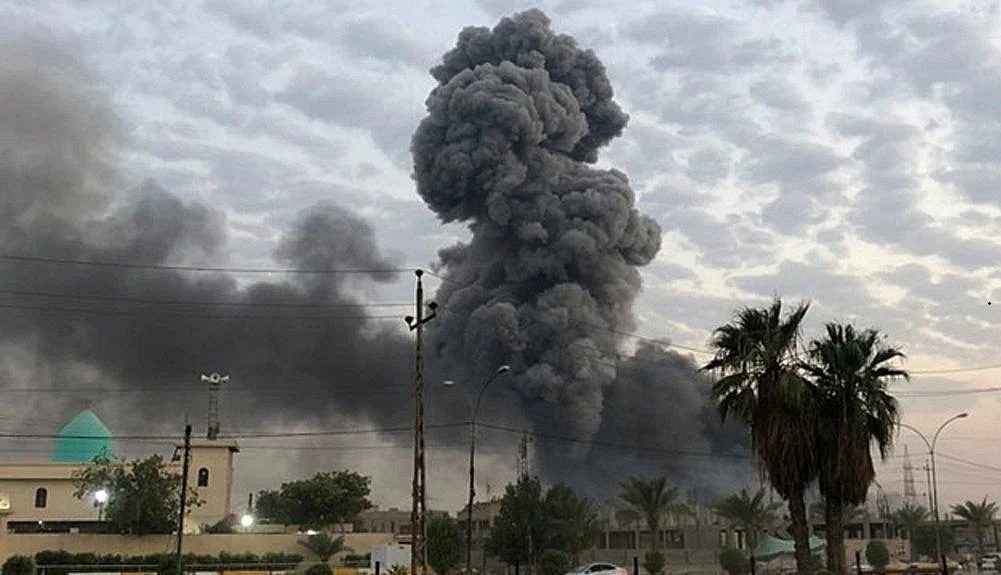
Iran targets Bahrain and Jordan in retaliation as US strikes continue The escalation in the Middle East has deepened with Iran targeting US allies Bahrain and Jordan, as the US continues to launch strikes on Iran. The US launched strikes on Iran for a third day and Iran retaliated with strikes on US allies and tankers, hours after Donald Trump said the US would take control of the strait of Hormuz and charge a toll to ships for safe passage. The US military said its five-hour operation early on Tuesday hit targets across Iran, including the port cities of Bushehr and Bandar Abbas..
It shared videos of strikes that it said were meant to “degrade Iran’s ability to attack commercial shipping”. The strikes are the latest in a series of escalating attacks in the region, with the US and Iran locked in a struggle for control of the strait of Hormuz, a vital waterway for global oil supplies. The operation is part of a sustained effort by the US to deter Iranian aggression in the region..
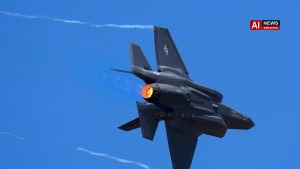
According to US officials, Iran had been planning to attack US targets in the region, but the US military was able to disrupt these plans with the strikes. The US has been building up its military presence in the region, with B-52 bombers and F-35 fighter jets deployed to key bases. In a separate development, Iranian naval forces attacked two tankers in the Strait of Hormuz, causing significant damage..
The tankers, which were carrying oil and other commodities, were reportedly targeted by the Iranian forces in response to the US strikes. The attack highlights the growing tensions in the region and the risks to global shipping. The Strait of Hormuz is a critical shipping lane, through which over 20% of the world’s oil exports pass..
The US has promised to take control of the strait and charge fees to ships for safe passage, but this move has been met with resistance from Iran, which claims sovereignty over the waterway. The move has also sparked concerns about the safety of shipping in the region. The UK’s Ministry of Defence has expressed its concern about the escalating tensions in the region and the risks to global shipping..
A spokesperson for the ministry said that the UK was urging both sides to exercise restraint and work towards a peaceful resolution to the crisis. The UK has a significant interest in the region, with a number of its oil tankers passing through the Strait of Hormuz. The international community is watching the situation closely, with the United Nations Security Council holding an emergency meeting to discuss the crisis..
The meeting was requested by France, which is a key player in the region. The US, Iran and other key players are expected to attend the meeting, with the aim of finding a way to resolve the crisis peacefully. Iran’s Supreme Leader, Ayatollah Ali Khamenei, has promised to defend the country’s interests in the region, and has vowed to continue its attacks on US targets..
In a statement, he said that the US would regret its decision to take control of the Strait of Hormuz. Iran’s military leaders are also preparing for further strikes against US targets, according to reports. The crisis in the Middle East is having far-reaching consequences for the global economy..
Oil prices have risen sharply in response to the crisis, and there are concerns about the safety of shipping in the region. The International Maritime Organization (IMO) has issued a warning to ship owners and operators about the risks of traveling through the Strait of Hormuz. As the situation continues to deteriorate, there are concerns about the impact on regional stability..
The US has a significant military presence in the region, with troops stationed in countries such as Bahrain and Kuwait. There are concerns about the risks of these troops being caught up in the escalating violence. The EU has issued a statement urging calm and restraint in the region..
A spokesperson for the EU said that the EU was working closely with its international partners to find a peaceful resolution to the crisis. The EU has a significant interest in the region, with many of its member states relying on oil shipments from the region. The crisis in the Middle East is a reminder of the fragility of global security..
The situation has been exacerbated by the increasing tensions between the US and Iran, which have been building for months. As the situation continues to deteriorate, there are concerns about the impact on regional stability and global security..
Insight: The escalating conflict in the Middle East has exposed a fundamental weakness in the global economy, as the world’s oil supplies hang precariously in the balance, threatening to unleash a wider economic crisis if not resolved swiftly. The growing competition for control of strategic waterways like the Strait of Hormuz highlights a global power shift, where nations are increasingly vying for dominance in the age of globalism.