Europe warns of Russia’s hybrid attacks but struggles to counter them
  Former chief election commissioner calls SIR scheme illegal.
  A Corruption Scandal Is Reshaping Brazil’s Presidential Election
  US citizen injured in Illinois after ICE agents mistook him for fugitive, tried to arrest him
  At 10 years old, Smithsonian’s Black museum is undaunted amid pressure from Trump administration
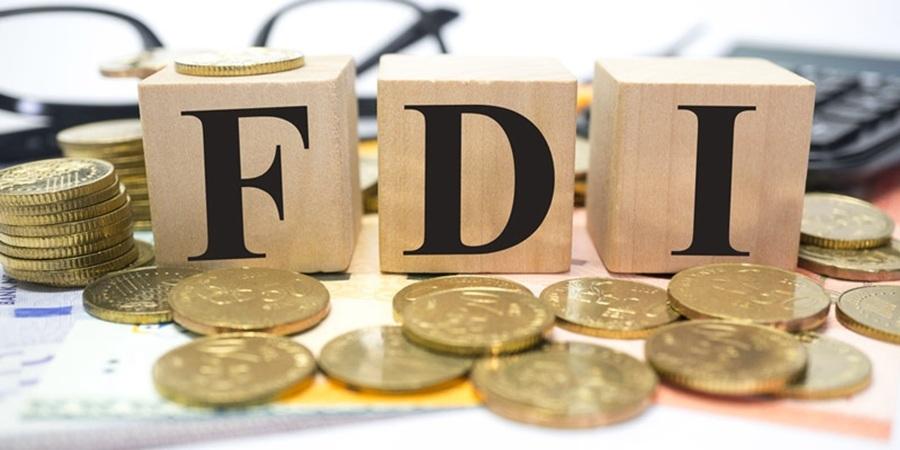
 India Eases FDI Rules for China and Neighbouring Countries, Government Announces Major Policy Relief
india eases rules china:
India Relaxes FDI Rules for China and Neighbouring Countries
In a significant policy move, the Government of India has eased regulations governing Foreign Direct Investment (FDI) from neighbouring countries, including China. The decision is expected to provide major relief to companies and investors who had faced stricter scrutiny under rules introduced during the pandemic.
The new policy adjustments simplify certain approval procedures for investments coming from countries that share land borders with India. These include China, Pakistan, Bangladesh, Nepal, Bhutan, Myanmar, and Afghanistan.
The move aims to balance national security concerns with economic growth, while encouraging foreign investment in key sectors of the Indian economy.
Background: Why India Tightened FDI Rules
In 2020, the Indian government had tightened foreign investment rules for neighbouring countries to prevent opportunistic takeovers of Indian companies during the economic slowdown caused by the COVID-19 pandemic.
Under those rules, any investment from countries sharing land borders with India required government approval, even if the investment came through indirect routes such as venture capital funds.
The policy was widely viewed as a measure to restrict unchecked investments, particularly from China, following rising geopolitical tensions.
However, the stricter framework also slowed investment approvals and created regulatory challenges for companies seeking cross-border funding.
What Changes Under the New Rules
The latest policy changes introduced by the government are intended to simplify the approval process and reduce delays for foreign investors.
Key changes include:
1. Faster approval mechanisms:
Government departments will now process certain FDI proposals from neighbouring countries more quickly, reducing waiting times for businesses.
2. Simplified compliance procedures:
Documentation and review requirements have been streamlined for some sectors.
3. Greater clarity for investors:
The government aims to reduce regulatory uncertainty by defining clearer guidelines for approvals.
Officials say the changes will help attract investment into sectors such as technology, manufacturing, infrastructure, and startups.
Impact on Indian Startups and Technology Sector
The easing of rules could particularly benefit India’s startup ecosystem, which had previously received significant investments from Chinese venture capital firms.
Before the stricter FDI norms were introduced in 2020, several Indian technology companies had received funding from Chinese investors such as Alibaba Group, Tencent, and ByteDance.
After the restrictions were implemented, many startups faced difficulties in raising capital from existing foreign investors due to regulatory approvals.
Industry experts believe the relaxed rules could revive cross-border venture funding and strengthen India’s growing innovation ecosystem.
Balancing Security and Economic Growth
While easing the rules, the government has emphasized that national security safeguards remain in place.
Sensitive sectors related to telecommunications, defence, and critical infrastructure will still face strict scrutiny before investment approvals are granted.
Officials say the updated policy reflects a balanced approach that encourages foreign investment while protecting strategic interests.
Global Investment Competition
The move also comes at a time when countries around the world are competing to attract foreign investment in sectors such as:
- Advanced manufacturing
- Artificial intelligence
- Semiconductor production
- Renewable energy
India has been actively promoting itself as a global investment destination through initiatives like **Make in India and **Digital India.
By easing investment procedures, policymakers hope to increase capital inflows and accelerate economic growth.
Economic Outlook
Foreign Direct Investment plays a critical role in India’s economic development by:
- Creating jobs
- Supporting infrastructure development
- Encouraging technology transfer
- Boosting industrial growth
Analysts believe that clearer and more investor-friendly policies could help India maintain its position as one of the world’s fastest-growing major economies.