Europe warns of Russia’s hybrid attacks but struggles to counter them
  Former chief election commissioner calls SIR scheme illegal.
  A Corruption Scandal Is Reshaping Brazil’s Presidential Election
  US citizen injured in Illinois after ICE agents mistook him for fugitive, tried to arrest him
  At 10 years old, Smithsonian’s Black museum is undaunted amid pressure from Trump administration
 INCOIS uses satellite data to aid fishermen
The Indian National Centre for Ocean Information Services (INCOIS) is using satellite data to help fishermen make the most of their time on the water, promoting sustainable fishing practices and reducing the risk of overfishing, while also benefiting nearly 14 lakh fishermen in India and boosting their income.
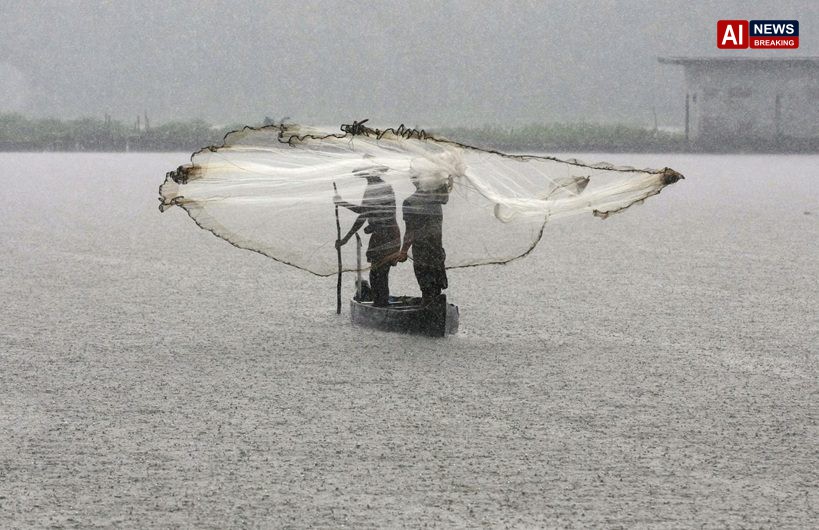
INCOIS uses satellite data to aid fishermen - AI News Breaking
How satellite maps are leading fishermen to bigger catches The Indian National Centre for Ocean Information Services (INCOIS) in Hyderabad has been playing a key role in helping fishermen make the most of their time on the water. With a system known as the Potential Fishing Zone (PFZ) advisory, the centre uses satellite data to identify areas where fish are likely to congregate, thereby enabling fishermen to plan their fishing expeditions more efficiently. Over the past two decades, this system has benefited nearly 14 lakh fishermen in India, significantly improving their catches and reducing fuel consumption, which in turn has saved them a considerable amount of money..
This has not only boosted their income but has also helped the fishing industry as a whole. However, the PFZ advisory is now evolving, with a focus on promoting sustainable fishing practices. Satellite images provide crucial information on ocean currents, temperature, and other factors that determine the movement and aggregation of fish..
Using this data, INCOIS can provide precise guidance on the most productive fishing zones, allowing fishermen to make the most of their time on the water. This not only enhances their profits but also reduces the risk of overfishing, which can have devastating effects on the marine ecosystem. The PFZ advisory is just one of the many services offered by INCOIS, which was established in 2006 as a part of the Indian Space Research Organisation (ISRO)..
The centre has been working closely with various stakeholders, including the Ministry of Fisheries, Animal Husbandry, and Dairying, to promote sustainable fishing practices and marine conservation. Apart from improving fishing yields, the PFZ advisory has also helped in reducing bycatch, which is the catch of non-target species. By providing species-specific advisories and ecological safeguards, INCOIS is now taking the advisory services to the next level..
This will enable fishermen to target specific species, thereby reducing the risk of harming other marine life and promoting a more sustainable approach to fishing. The centre has also been working with various fishing communities to educate them on the importance of sustainable fishing practices. This has led to a significant reduction in the number of dolphins and other marine mammals caught in fishing nets..
INCOIS has also implemented measures to ensure that fishermen use environmentally friendly fishing gear, thereby reducing the risk of marine pollution. The PFZ advisory is a prime example of the effective use of satellite technology to promote sustainable development. By combining satellite data with local knowledge and expertise, INCOIS is able to provide fishermen with invaluable information that can improve their catches and promote a healthier marine ecosystem..
However, despite the successes of the PFZ advisory, there are still several challenges that the fishing community faces. Climate change, fishing quotas, and declining fish stocks are just a few of the issues that threaten the long-term sustainability of the fishing industry. To address these challenges, INCOIS and its partners are working closely with fishing communities to develop new technologies and techniques that can help fishermen adapt to changing environmental conditions..
This includes developing new fishing gear that reduces bycatch and helps to promote more sustainable fishing practices. The PFZ advisory is an example of how technology can be used to address pressing environmental issues. By combining satellite data with local knowledge and expertise, fishermen can now make more informed decisions about where to fish and how to target specific species..
As the fishing industry continues to evolve, it is likely that technologies like the PFZ advisory will play an increasingly important role in promoting sustainable fishing practices. However, more needs to be done to address the challenges facing the fishing industry. INCOIS is now working with various partners to develop new technologies and techniques that can help fishermen adapt to changing environmental conditions..
This includes developing new fishing gear that reduces bycatch and helps to promote more sustainable fishing practices. The centre is also exploring new ways to share information with fishermen, including mobile apps and social media platforms. This will enable fishermen to access vital information on fishing zones, species distribution, and weather conditions in real-time..
As the world continues to grapple with the complexities of climate change and sustainable development, the PFZ advisory offers a glimpse of hope. By harnessing the power of satellite technology to promote sustainable fishing practices, INCOIS is helping to protect the world’s oceans for future generations..
Updated: July 17, 2026
As satellite technology becomes increasingly essential for the fishing industry, the implications of its widespread adoption are twofold: not only can it significantly improve fishing yields and reduce the risk of overfishing, but it can also serve as a valuable catalyst for the implementation of more effective and sustainable fishing practices.