Europe warns of Russia’s hybrid attacks but struggles to counter them
  Former chief election commissioner calls SIR scheme illegal.
  A Corruption Scandal Is Reshaping Brazil’s Presidential Election
  US citizen injured in Illinois after ICE agents mistook him for fugitive, tried to arrest him
  At 10 years old, Smithsonian’s Black museum is undaunted amid pressure from Trump administration
 AIIMS Doctors Seek President Murmu’s Intervention Over Sonam Wangchuk’s Hospitalisation and Jantar Mantar Crackdown
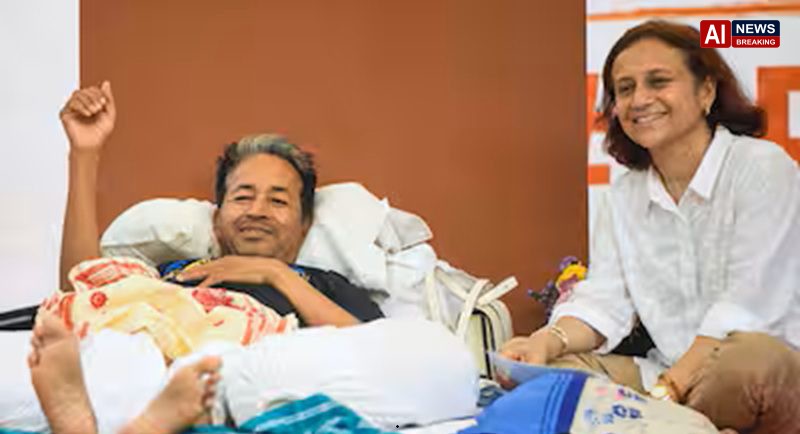
AIIMS Doctors Seek President Murmu's Intervention Over Sonam Wangchuk's Hospitalisation and Jantar Mantar Crackdown - AI News Breaking
The Resident Doctors’ Association (RDA) of AIIMS, New Delhi, has written to President Droupadi Murmu seeking her intervention over the alleged crackdown on protesters at Jantar Mantar and the continued hospitalisation of climate activist Sonam Wangchuk. The doctors have demanded an independent and time-bound inquiry while raising concerns over medical ethics, civil liberties, and the treatment of peaceful protesters.
The controversy surrounding the removal and hospitalisation of climate activist Sonam Wangchuk has intensified after the Resident Doctors’ Association (RDA) of AIIMS, New Delhi, formally appealed to President Droupadi Murmu for intervention. The association has called for an independent, impartial, and time-bound inquiry into the events that unfolded at Delhi’s Jantar Mantar, raising serious questions about the treatment of peaceful protesters and the ethical implications of medical intervention during public demonstrations.
The development marks a significant escalation in the ongoing debate surrounding civil liberties, medical ethics, and state action after Wangchuk was shifted to Safdarjung Hospital following a 20-day indefinite hunger strike.
What Happened at Jantar Mantar?
Climate activist Sonam Wangchuk had been observing an indefinite hunger strike at Jantar Mantar in New Delhi since June 28. His protest gained considerable public attention as it entered its third week, prompting health authorities and the Delhi High Court to monitor his deteriorating medical condition closely.
On July 18, Delhi Police removed Wangchuk from the protest site and shifted him to VMMC & Safdarjung Hospital, citing medical advice and compliance with directions issued by the Delhi High Court regarding his health and regular medical monitoring.
The police maintained that the decision was taken in the interest of preserving Wangchuk’s life after medical teams warned of potential health complications resulting from prolonged fasting.
AIIMS Resident Doctors Write to President Murmu
The Resident Doctors’ Association of AIIMS has now expressed concerns over the manner in which Wangchuk’s hospitalisation and the alleged police action against protesters were handled.
In its letter addressed to President Droupadi Murmu, the association demanded:
- An independent and impartial inquiry into the alleged use of force at Jantar Mantar.
- Transparency regarding the circumstances surrounding Wangchuk’s hospitalisation.
- Protection of constitutional rights related to peaceful protest.
- Greater accountability in decisions involving medical intervention during public demonstrations.
- A time-bound investigation into the sequence of events that led to the activist’s removal from the protest site.
The AIIMS doctors reportedly argued that questions relating to informed consent, patient autonomy, and medical ethics deserve careful examination in cases involving protesters on hunger strikes.
Concerns Over Medical Ethics
The controversy has also sparked wider discussions within India’s medical community regarding the ethical obligations of healthcare professionals when treating protesters engaged in hunger strikes.
Medical ethics generally emphasize:
- Patient autonomy.
- Informed consent.
- Non-coercive medical treatment.
- Protection of individual dignity.
- Transparency in medical decision-making.
In situations involving hunger strikes, physicians are often required to balance the patient’s right to refuse treatment with their professional responsibility to preserve life.
The circumstances under which Wangchuk was admitted to the hospital have therefore become central to the ongoing public debate.
Delhi High Court’s Role
The Delhi High Court had earlier taken note of concerns regarding Wangchuk’s health and directed authorities to ensure regular medical examinations during his indefinite fast.
The court emphasized that every citizen’s life is valuable and ordered daily health monitoring along with necessary medical intervention whenever required.
In response, the Union Health Ministry designated Dr Ram Manohar Lohia Hospital as the nodal medical centre and instructed medical teams from central government hospitals to conduct twice-daily health examinations of Wangchuk and other protesters.
Additionally, emergency medical services and ambulances were stationed at Jantar Mantar as precautionary measures.
Wangchuk’s Health Condition
Medical experts had warned that prolonged fasting could result in severe complications, including dehydration and silent organ failure.
According to reports:
- Wangchuk had completed 20 days of his indefinite hunger strike.
- Doctors raised concerns regarding his borderline medical condition.
- He was admitted to Safdarjung Hospital after health assessments recommended immediate medical care.
- Hospital authorities reportedly found him dehydrated following his prolonged fast.
Despite his hospitalisation, Wangchuk later stated in a handwritten letter that he was “feeling very fine” and sought temporary discharge to participate in the planned “Chalo Sansad” march to Parliament.
Political and Civil Rights Debate Intensifies
The incident has triggered a broader political debate over:
- Freedom of peaceful protest.
- State intervention during public demonstrations.
- Medical autonomy and informed consent.
- The use of police powers during protests.
- Institutional accountability.
Civil society organisations and activists have questioned whether the removal of Wangchuk from the protest site was purely a medical decision or whether administrative and political considerations also influenced the action.
Meanwhile, Delhi Police has consistently maintained that its intervention was based on expert medical advice and judicial directions rather than any attempt to suppress dissent.
Why This Matters
The appeal by AIIMS resident doctors is significant because it represents concerns being raised from within India’s premier medical institution regarding the ethical dimensions of the case.
The issues involved extend beyond a single protest and touch upon fundamental questions such as:
- How should hunger strikes be medically managed?
- What constitutes informed consent during medical emergencies?
- What are the limits of state intervention in peaceful protests?
- How can constitutional rights be balanced with medical responsibilities?
The answers to these questions could have implications for future protests and medical protocols across the country.
What Happens Next?
President Droupadi Murmu’s office has not yet publicly responded to the AIIMS RDA’s appeal.
Separately:
- Legal proceedings relating to Wangchuk’s health continue.
- Medical monitoring remains ongoing.
- Diplomatic and political pressure surrounding the issue is increasing.
- Calls for an independent inquiry are gaining momentum.
The outcome of these developments could shape public policy regarding medical intervention during peaceful protests and strengthen existing safeguards for both healthcare ethics and civil liberties.
The AIIMS Resident Doctors’ Association’s appeal to President Droupadi Murmu has brought renewed attention to the intersection of medical ethics, constitutional rights, and state authority. As questions continue to be raised over Sonam Wangchuk’s hospitalisation and the alleged crackdown at Jantar Mantar, the incident has evolved into a broader national conversation about transparency, patient autonomy, and the right to peaceful dissent. The demand for an independent inquiry underscores the growing importance of ensuring that both medical decisions and administrative actions withstand public and legal scrutiny.
AI Insight: The Sonam Wangchuk episode illustrates how modern democratic societies increasingly grapple with complex intersections between healthcare, civil liberties, and state intervention. Hunger strikes present unique ethical challenges that require balancing an individual’s autonomy with the state’s duty to preserve life. The involvement of AIIMS resident doctors elevates the discussion beyond politics and highlights the importance of transparent medical decision-making. Regardless of political perspectives, the case may ultimately contribute to clearer guidelines governing medical intervention during peaceful protests and strengthen institutional accountability in sensitive public situations.