Europe warns of Russia’s hybrid attacks but struggles to counter them
  Former chief election commissioner calls SIR scheme illegal.
  A Corruption Scandal Is Reshaping Brazil’s Presidential Election
  US citizen injured in Illinois after ICE agents mistook him for fugitive, tried to arrest him
  At 10 years old, Smithsonian’s Black museum is undaunted amid pressure from Trump administration
 10-Day Ceasefire Talks Between US and Iran Gain Momentum Amid Rising Middle East Tensions
** The US and Iran are exploring a potential 10-day ceasefire to alleviate rising tensions, as mediators push for a temporary window to allow diplomatic efforts to take hold and prevent a full-blown conflict in the Middle East.
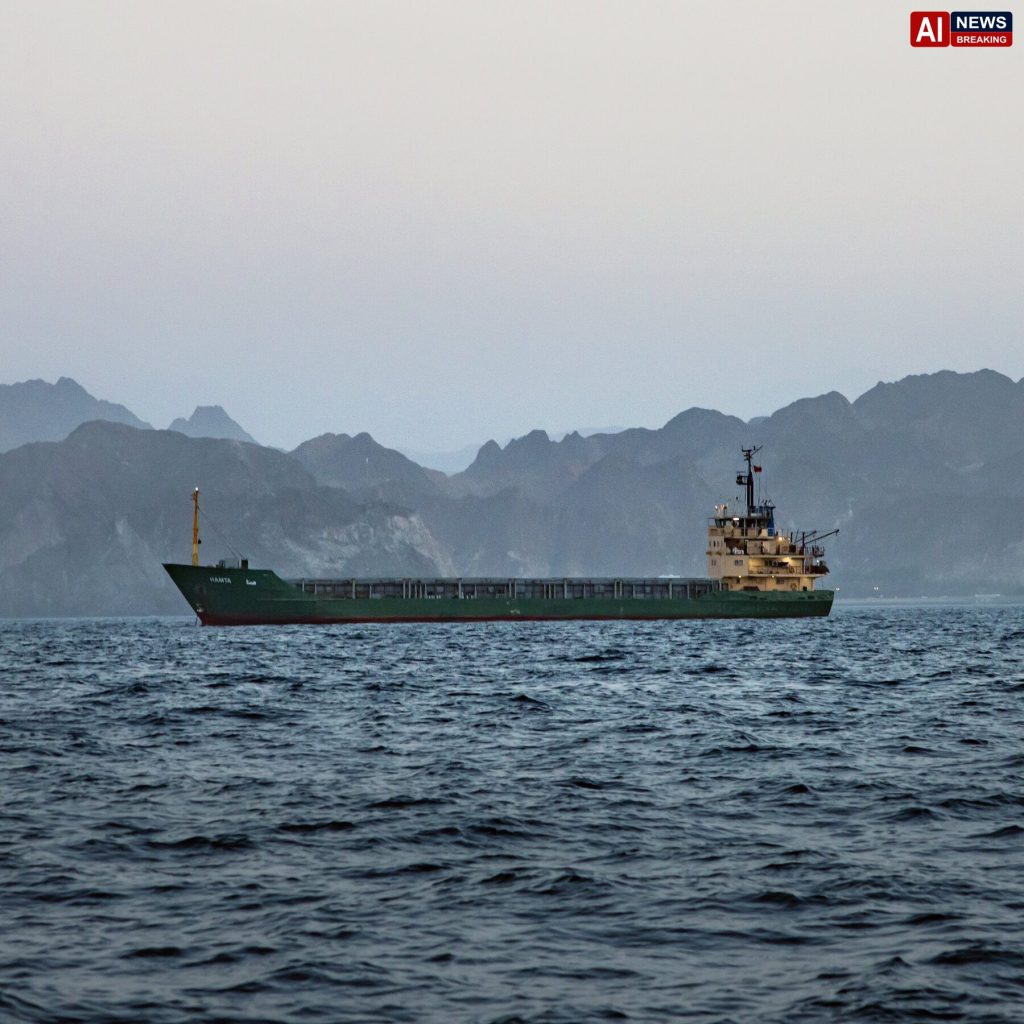
10-Day Ceasefire Talks Between US and Iran Gain Momentum Amid Rising Middle East Tensions - AI News Breaking
10day ceasefire talks between:
Middle Eastern mediators are working to secure a 10-day ceasefire between the United States and Iran as regional tensions continue to escalate. The diplomatic initiative suffered a setback after an Iranian strike in Jordan killed two American servicemen, intensifying fears of a broader conflict and complicating ongoing efforts to create space for negotiations.
The situation remains precarious, with both sides exchanging blows and rhetoric escalating by the day. The latest developments have seen a significant increase in military activity, with Iranian forces launching attacks on US targets in the region. The killing of two US servicemen in Jordan has sparked outrage and calls for retaliation, further complicating the already delicate situation..
As the US weighs its response, mediators are racing against time to secure a ceasefire and prevent a full-blown conflict. The proposed 10-day ceasefire is seen as a crucial step in de-escalating tensions and creating space for diplomatic efforts to take hold. The US has been engaging with regional partners and allies to build support for a potential ceasefire, while also maintaining a strong military presence in the region..
The killing of two US servicemen has put pressure on the US administration to respond decisively, but officials are also mindful of the need to avoid escalating the conflict further. As the situation continues to unfold, the US is walking a fine line between responding to Iranian aggression and avoiding actions that could spark a wider conflict. Iranian officials have been equally defiant, with leaders vowing to continue responding to US actions in the region..
The Iranian strikes that killed two US servicemen in Jordan were seen as a significant escalation, and the US has vowed to hold Iran accountable for the attack. As tensions continue to rise, the international community is watching with bated breath, fearing a wider conflict that could have far-reaching consequences for the region and beyond. The proposed ceasefire is being pushed by a number of mediators, including European and Arab diplomats who have been engaging with both the US and Iran..
These efforts have been ongoing for several weeks, with diplomats working behind the scenes to build support for a ceasefire and create space for diplomatic efforts to take hold. The killing of two US servicemen has added urgency to these efforts, as the international community seeks to prevent a full-blown conflict. As the US and Iran engage in a cycle of retaliation, the humanitarian toll is mounting..
Civilians have been caught in the crossfire, with reports of injuries and fatalities on both sides. The international community is calling for restraint and an immediate ceasefire, as the situation continues to deteriorate. The UN has urged both sides to engage in diplomatic efforts, warning of the devastating consequences of a wider conflict..
The US administration has been facing pressure to respond decisively to the Iranian strikes, with some lawmakers calling for military action against Iran. However, officials are also mindful of the need to avoid escalating the conflict further, and are exploring diplomatic channels to resolve the crisis. The proposed ceasefire is seen as a crucial step in de-escalating tensions and creating space for diplomatic efforts to take hold..
The Middle East has long been a volatile region, with a history of conflict and tension between the US and Iran. The current crisis has its roots in a number of factors, including the US withdrawal from the Iran nuclear deal and the subsequent imposition of sanctions on Iran. The situation has been further complicated by Iranian aggression in the region, including attacks on shipping and oil facilities..
As the situation continues to unfold, the US is weighing its options carefully. The administration is engaging with regional partners and allies to build support for a potential ceasefire, while also maintaining a strong military presence in the region. The killing of two US servicemen has put pressure on the US to respond decisively, but officials are also mindful of the need to avoid escalating the conflict further..
The international community is watching the situation with growing concern, as the conflict between the US and Iran threatens to engulf the region. The proposed ceasefire is seen as a crucial step in de-escalating tensions and creating space for diplomatic efforts to take hold. As the situation continues to unfold, one thing is clear: the need for a swift and decisive resolution to the crisis has never been more pressing..
The proposed ceasefire is not without its challenges, and there are many obstacles that must be overcome if it is to be successful. The US and Iran have a long history of tension and mistrust, and building trust will be a difficult task. However, the alternative is a full-blown conflict that could have far-reaching consequences for the region and beyond, making the proposed ceasefire a necessary step in preventing a wider crisis..
As the clock ticks down, mediators are racing against time to secure a ceasefire and prevent a full-blown conflict. The situation remains precarious, with both sides exchanging blows and rhetoric escalating by the day. The proposed ceasefire is seen as a crucial step in de-escalating tensions and creating space for diplomatic efforts to take hold, and the international community is holding its breath as the situation continues to unfold..
The US and Iran are at a crossroads, with the potential for a wider conflict looming large. The proposed ceasefire is a crucial step in preventing a full-blown crisis, and the international community is calling for restraint and an immediate ceasefire. As the situation continues to unfold, one thing is clear: the need for a swift and decisive resolution to the crisis has never been more pressing, and the world is watching with bated breath as the US and Iran navigate this delicate and complex situation..
Updated: July 21, 2026
The ability of the US and Iran to agree to a ceasefire, even if temporary, will be a crucial test of their willingness to prioritize diplomacy over retaliation, and could potentially pave the way for a more lasting resolution to the conflict. Ultimately, the success of any ceasefire will depend on the ability of both sides to build trust and create a foundation for sustained diplomatic engagement, a challenging task given the deep-seated mistrust and historical tensions between the two nations.