Europe warns of Russia’s hybrid attacks but struggles to counter them
  Former chief election commissioner calls SIR scheme illegal.
  A Corruption Scandal Is Reshaping Brazil’s Presidential Election
  US citizen injured in Illinois after ICE agents mistook him for fugitive, tried to arrest him
  At 10 years old, Smithsonian’s Black museum is undaunted amid pressure from Trump administration
 Oil Nears $100 as Red Sea Attacks Shake Global Markets: How the Iran Conflict Could Impact Fuel Prices Worldwide
** Global crude oil prices are surging due to escalating tensions in the Middle East, with attacks on Saudi oil tankers in the Red Sea and the ongoing US-Iran confrontation threatening key shipping routes and pushing Brent crude toward $100 per barrel, a level that could have significant implications for the global economy.
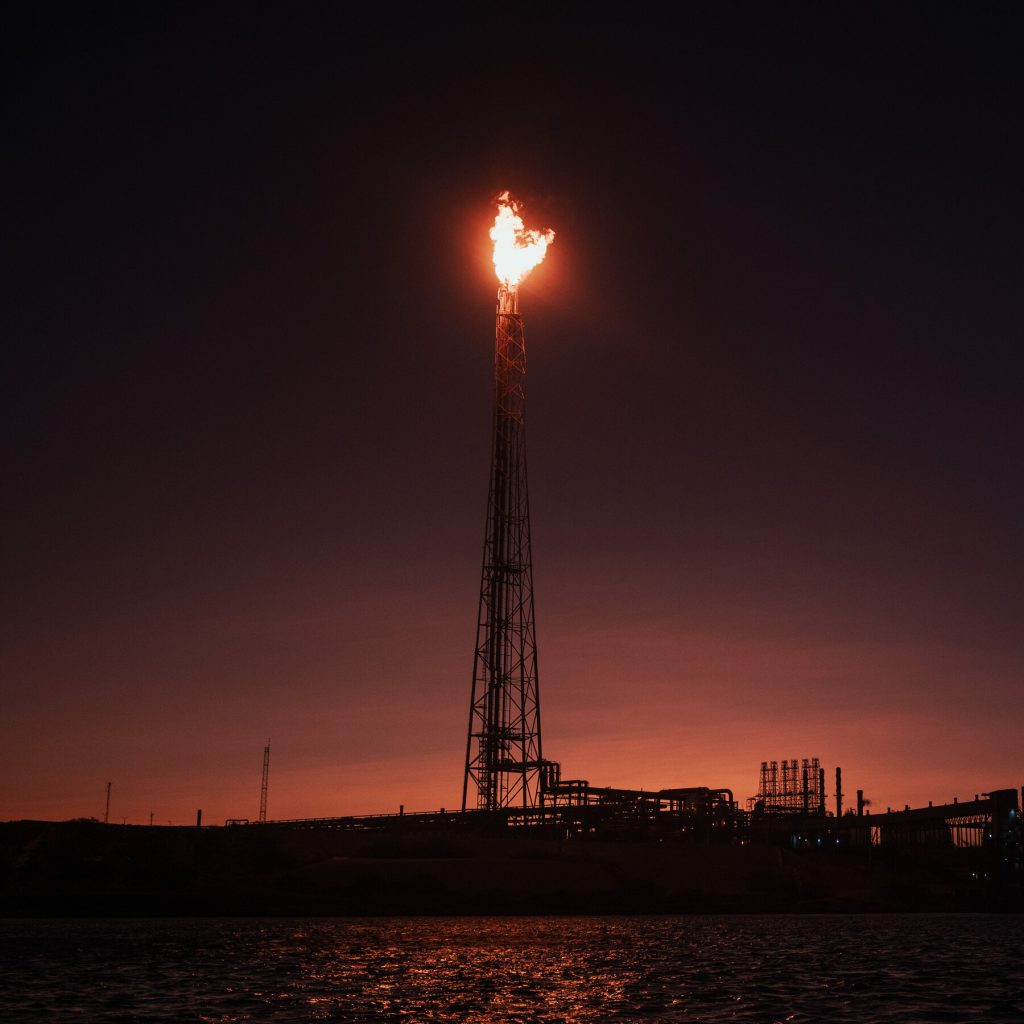
nears attacks shake global:
Global crude oil prices have surged to their highest levels in weeks as escalating tensions in the Middle East threaten key shipping routes. Attacks by Yemen’s Houthis on Saudi oil tankers in the Red Sea, coupled with the ongoing US-Iran confrontation, have raised fears of supply disruptions, pushing Brent crude toward the critical $100-per-barrel mark.
Oil Prices Surge as Middle East Crisis Deepens: The global energy market is once again on edge.
After months of relative stability, crude oil prices have surged sharply amid escalating geopolitical tensions across the Middle East. Investors, governments and consumers alike are closely watching developments as Brent crude approaches $100 per barrel, a level not seen since earlier periods of heightened global instability.
At the center of the latest rally are a series of attacks on Saudi oil tankers in the Red Sea by Iran-backed Houthi rebels and the widening conflict involving the United States and Iran. The developments have reignited fears that some of the world’s most critical energy corridors could be disrupted.
Why Are Oil Prices Rising?
The immediate catalyst for the latest price spike was the attack on two Saudi oil tankers, identified as Encelia and Layla, near the Bab el-Mandeb Strait.
The Bab el-Mandeb is one of the world’s most important maritime chokepoints, connecting the Red Sea to the Gulf of Aden and serving as a vital route for oil shipments between the Middle East and Europe. Any disruption in the area has the potential to affect millions of barrels of oil transported daily.
Adding to concerns:
- Continued US airstrikes on Iranian targets.
- Iranian threats regarding the Strait of Hormuz.
- Houthi naval blockade warnings against Saudi-linked shipping.
- Increased insurance costs for oil tankers.
- Longer shipping routes around Africa.
Analysts warn that the combination of disruptions in both the Strait of Hormuz and the Red Sea could create the most significant supply shock since the early stages of the Ukraine war.
Current Crude Oil Price Snapshot (July 23, 2026)
| Benchmark | Price | Daily Change |
|---|---|---|
| Brent Crude | ~$98.00 | +2.0% |
| WTI Crude | ~$85.00 | +1.8% |
| Previous Week Brent | ~$84.00 | +16.7% |
| Peak Intraday Brent | Above $100 | — |
Prices are approximate and subject to market fluctuations.
Crude Oil Trend Chart
| Date | Brent Crude (USD/Barrel) |
|---|---|
| July 16 | 84 |
| July 18 | 87 |
| July 20 | 91 |
| July 21 | 91 |
| July 22 | 96 |
| July 23 | 98–100 |
Why $100 Oil Matters
Crossing the $100-per-barrel threshold carries significant implications for the global economy.
Higher oil prices typically lead to:
- Increased gasoline and diesel prices.
- Higher airline ticket costs.
- Rising transportation expenses.
- Increased inflation.
- Greater pressure on central banks.
- Higher household energy bills.
For countries like India, which import a significant portion of their crude oil requirements, sustained high prices could affect inflation and the government’s fiscal position.
Energy economists note that every $10 increase in oil prices can have ripple effects across supply chains worldwide.
The Red Sea: A New Flashpoint
Until recently, much of the world’s attention was focused on the Strait of Hormuz.
However, the Houthis’ recent actions suggest that the Red Sea could become an equally significant pressure point.
Should the Bab el-Mandeb Strait become inaccessible, oil shipments would need to travel around the Cape of Good Hope in southern Africa—a journey that can add several weeks and substantially increase transportation costs.
Industry experts estimate that:
- Delivery times could increase by up to 50 days.
- Freight costs would rise significantly.
- European fuel markets could experience shortages.
- Global supply chains would face additional pressure.
Could Oil Go Higher?
Market analysts remain divided on the future trajectory of oil prices.
Some believe Brent crude could stabilize near current levels if diplomatic efforts succeed.
Others warn that further escalation could push prices to:
- $105 per barrel.
- $110 per barrel.
- $120 per barrel in a worst-case scenario involving multiple shipping disruptions.
The key variables investors are watching include:
- US military actions.
- Iranian responses.
- Houthi operations in the Red Sea.
- OPEC production decisions.
- Global economic demand.
What This Means for Consumers
For ordinary consumers, higher crude prices often translate into higher costs across the economy.
Potential impacts include:
- More expensive fuel.
- Higher food transportation costs.
- Increased airfare.
- Rising utility expenses.
- Inflationary pressures on consumer goods.
While governments can use subsidies and strategic reserves to cushion short-term shocks, prolonged disruptions are likely to have broader economic consequences.
The current oil rally demonstrates how quickly geopolitical events can influence global markets. Modern supply chains depend heavily on a handful of maritime chokepoints, making them vulnerable to regional conflicts. While oil markets have become more resilient over the past decade, simultaneous disruptions in the Strait of Hormuz and the Red Sea could test that resilience and reshape energy security discussions for years to come.