Europe warns of Russia’s hybrid attacks but struggles to counter them
  Former chief election commissioner calls SIR scheme illegal.
  A Corruption Scandal Is Reshaping Brazil’s Presidential Election
  US citizen injured in Illinois after ICE agents mistook him for fugitive, tried to arrest him
  At 10 years old, Smithsonian’s Black museum is undaunted amid pressure from Trump administration
 New Anti-Paper Leak Law: Minimum 5 Years in Jail and 50 Lakh Fine Proposed to Combat Exam Fraud in India
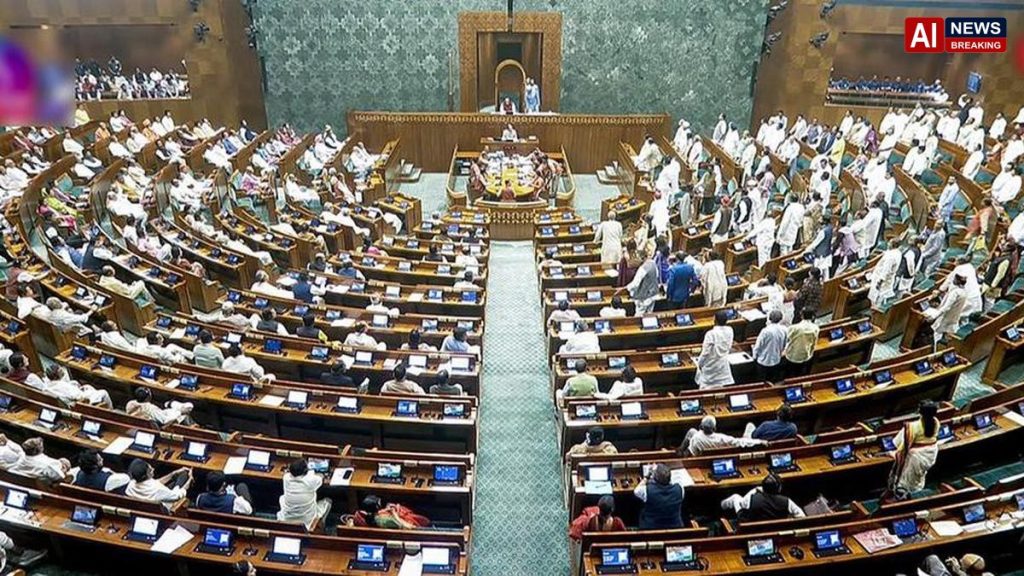
New Anti-Paper Leak Law: Minimum 5 Years in Jail and 50 Lakh Fine Proposed to Combat Exam Fraud in India - AI News Breaking
antipaper leak minimum years:
The Indian government has introduced a stringent anti-paper leak law that proposes a minimum jail term of five years and fines of up to ₹50 lakh for those involved in examination fraud. The legislation aims to restore public confidence in competitive examinations following several high-profile paper leak controversies across the country.
Government Unveils Tough New Anti-Paper Leak Law Amid Growing Examination Crisis
In a significant move aimed at safeguarding the integrity of India’s examination system, the government has introduced a comprehensive anti-paper leak law that proposes strict penalties for individuals and organizations involved in examination-related fraud.
Under the proposed legislation, offenders could face:
- A minimum prison sentence of five years.
- Up to ten years of imprisonment for serious offenses.
- Financial penalties of up to ₹50 lakh.
- The legislation targets both individuals and organized criminal networks.
- Additional punishment for organized crime networks involved in paper leaks.
The proposed law comes against the backdrop of mounting concerns over recurring paper leak incidents that have affected millions of students preparing for highly competitive examinations across the country.
For years, examination irregularities have sparked public outrage, protests and legal battles, raising questions about the security and credibility of India’s recruitment and entrance examination systems.
Why Was the Law Introduced?
The legislation follows several major examination controversies, including allegations surrounding national-level entrance and recruitment examinations.
Successive paper leak incidents have had a profound impact on students, many of whom spend years preparing for exams that determine their academic and professional futures.
According to policymakers, the objectives of the new law are to:
- Protect students from examination fraud.
- Deter organized criminal networks.
- Strengthen trust in public examinations.
- Ensure transparency and accountability.
- Introduce stricter legal consequences for offenders.
Officials have emphasized that the law is intended to send a strong message that examination malpractice will no longer be treated as a minor offense.
Key Highlights of the Proposed Legislation
The new anti-paper leak framework contains several notable provisions designed to address both individual offenders and organized groups.
1. Minimum Five-Year Jail Term
Individuals found guilty of leaking examination papers or facilitating leaks could face a minimum sentence of five years in prison.
2. Maximum Ten-Year Imprisonment
In cases involving organized crime syndicates or large-scale examination fraud, courts may impose prison terms extending up to ten years.
3. Financial Penalties
Convicted individuals may be required to pay fines reaching ₹50 lakh, making examination fraud one of the costliest white-collar offenses under Indian law.
4. Action Against Organized Networks
Authorities will be empowered to investigate and prosecute criminal organizations that profit from paper leaks and examination scams.
5. Wider Institutional Accountability
The law also seeks to improve accountability among institutions responsible for conducting examinations by encouraging stronger security mechanisms and procedural safeguards.
Examination Fraud Has Become a National Concern
India conducts thousands of competitive examinations annually, involving millions of candidates seeking admission to educational institutions or government jobs.
Some of the country’s largest examinations include:
- NEET
- JEE
- UPSC examinations
- SSC examinations
- Banking recruitment tests
- State Public Service Commission examinations
- Railway recruitment examinations
Repeated allegations of paper leaks have significantly affected public trust in these systems.
Students and parents have increasingly demanded stricter penalties and greater accountability, arguing that examination fraud undermines meritocracy and unfairly disadvantages honest candidates.
Impact on Students
For students, paper leaks represent more than administrative failures—they often translate into years of uncertainty and emotional distress.
Many aspirants invest:
- Several years of preparation.
- Significant financial resources.
- Coaching and educational expenses.
- Career planning and opportunities.
When examinations are canceled or compromised, students frequently experience anxiety, delayed admissions and disruptions to their career trajectories.
The proposed legislation is therefore being viewed as an attempt to reassure students that examination integrity remains a national priority.
Experts Welcome Stronger Punishments
Legal and education experts have broadly welcomed the introduction of stricter penalties, noting that previous punishments may not have been sufficient deterrents.
Several observers believe that organized paper leak operations have evolved into sophisticated criminal enterprises involving:
- Digital communication networks.
- Financial intermediaries.
- Unauthorized access to examination materials.
- Multiple participants across states.
By introducing substantial prison terms and financial penalties, policymakers hope to increase the risks associated with participating in examination fraud.
However, some experts have cautioned that effective implementation will be equally important.
Challenges Ahead
While the proposed law has received support, questions remain regarding enforcement and institutional capacity.
Key challenges include:
- Ensuring swift investigations.
- Improving cybersecurity measures.
- Strengthening examination logistics.
- Enhancing coordination among agencies.
- Expediting judicial proceedings.
Critics argue that punitive measures alone may not eliminate paper leaks unless accompanied by technological upgrades and systemic reforms.
Several education policy analysts have recommended increased use of:
- Computer-based testing.
- Encrypted question paper systems.
- Real-time monitoring technologies.
- Artificial intelligence-based fraud detection.
Political and Social Significance
The introduction of the anti-paper leak law also carries significant political implications.
Youth and employment-related issues have become increasingly prominent in public discourse, with examination controversies often triggering widespread protests.
By introducing tougher legislation, the government appears to be signaling its commitment to protecting students and restoring confidence in public institutions.
The law is expected to feature prominently during parliamentary discussions and may become a central component of broader education and recruitment reforms in the coming years.
India’s examination ecosystem affects the lives of millions of young people every year, making trust and transparency essential. While stronger punishments can serve as a deterrent, long-term success will depend on combining legal reforms with technological modernization and institutional accountability. The new anti-paper leak law represents an acknowledgment that examination integrity is not merely an administrative issue—it is a matter of public trust, social mobility and national development.