Europe warns of Russia’s hybrid attacks but struggles to counter them
  Former chief election commissioner calls SIR scheme illegal.
  A Corruption Scandal Is Reshaping Brazil’s Presidential Election
  US citizen injured in Illinois after ICE agents mistook him for fugitive, tried to arrest him
  At 10 years old, Smithsonian’s Black museum is undaunted amid pressure from Trump administration
 Iran Rejects Gulf-Backed Strait of Hormuz Shipping Fee Proposal as Regional Talks Continue
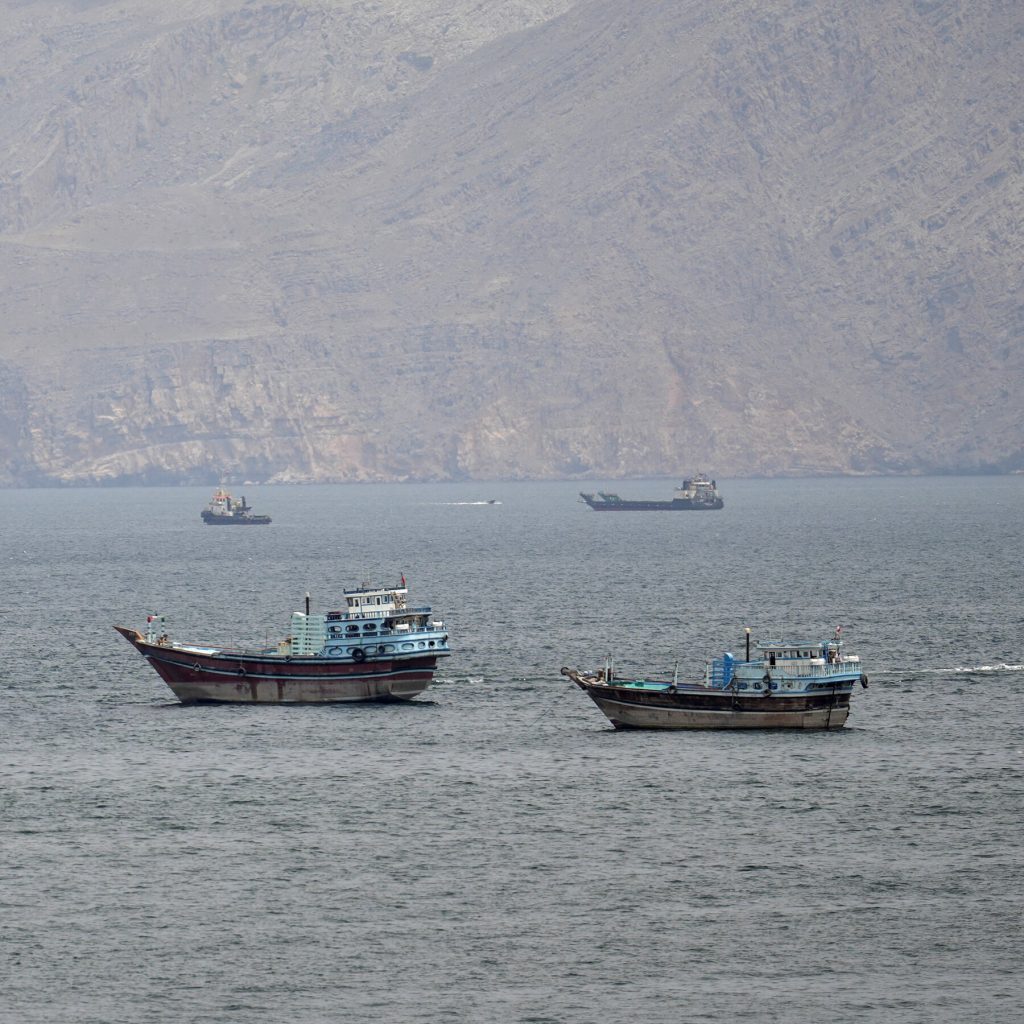
Iran Rejects Gulf-Backed Strait of Hormuz Shipping Fee Proposal as Regional Talks Continue - AI News Breaking
iran rejects gulfbacked strait:
Iran has reportedly rejected an Oman-mediated proposal backed by Gulf nations to introduce voluntary fees for ships transiting the Strait of Hormuz. The plan, intended to fund enhanced maritime security measures, comes amid renewed diplomatic efforts involving Iran, Oman and Saudi Arabia to reduce tensions in one of the world’s most strategically important waterways.
Key Highlights
- Oman presented Iran with a Gulf-backed proposal for voluntary Strait of Hormuz transit fees.
- Revenue from the initiative would reportedly support maritime security enhancements.
- Iran has expressed concerns regarding sovereignty and control over the strategic waterway.
- Talks involving Iran, Oman and Saudi Arabia on maritime cooperation are ongoing.
- The Strait of Hormuz remains one of the world’s most important energy transit routes.
This development comes amidst heightened tensions in the region, with Iran recently seizing several foreign-flagged ships. The plan, backed by Gulf nations, proposes the introduction of voluntary fees for ships using the Strait of Hormuz. The revenue generated would be used to enhance maritime security and provide additional services to ships passing through the strait.
What Is the Proposal?
According to regional reports, the proposal presented by Oman would establish a voluntary payment mechanism for ships traveling through the Strait of Hormuz.
The funds generated would reportedly be used to:
- Enhance maritime security operations.
- Improve navigational support services.
- Strengthen emergency response capabilities.
- Support regional coordination efforts.
- Increase monitoring of commercial shipping lanes.
Supporters of the initiative argue that the arrangement could provide additional resources to ensure safe passage through one of the world’s busiest and most strategically significant maritime corridors.
The proposal is said to have received backing from several Gulf states interested in improving long-term stability in the region.
Oman, a key player in regional diplomacy, has been engage in talks with Iranian officials to discuss the proposal. However, Iran has expressed concerns over the plan, citing sovereignty and security issues. Iran has rejected the Omani proposal, demanding more control over the Strait of Hormuz.
Iranian authorities argue that the plan would compromise the country’s sovereignty and undermine its ability to secure the waterway. Tehran has long maintained that it is capable of ensuring the security of the strait, which is a vital conduit for international oil trade. The rejection of the plan has raised concerns over the potential for further escalation in the region.
Iran Raises Sovereignty Concerns
Iranian officials have reportedly expressed reservations regarding the proposed fee structure.
Tehran has historically maintained that it possesses both the legal authority and operational capability to ensure security within its territorial waters and has consistently opposed initiatives perceived as limiting its influence in the region.
Iran’s concerns reportedly include:
- Questions regarding jurisdiction.
- Control over maritime operations.
- Long-term governance mechanisms.
- National security implications.
- Potential precedents affecting sovereignty.
Iranian authorities have emphasized that maritime security arrangements should respect the interests of all littoral states while preserving national sovereignty.
Analysts note that issues involving control of the Strait of Hormuz have historically been highly sensitive due to the waterway’s geopolitical importance.
In a positive development, Iran has been engaged in talks with Saudi Arabia and Oman to discuss the management of the Strait of Hormuz. The talks, which have been hailed as good by US President Trump, aim to establish a framework for cooperation between regional nations. The discussions have focused on enhancing maritime security and ensuring the safe passage of ships through the strait..
The involvement of Saudi Arabia, a key regional player, has added momentum to the talks. The Iranian government has hosted a series of calls with Saudi Arabia and Oman to discuss the management of the Strait of Hormuz. The talks have been seen as a positive step towards reducing tensions in the region..
Iranian officials have expressed a willingness to engage in constructive dialogue with regional nations to address concerns over maritime security. The discussions have also focused on the potential for cooperation on other regional issues. Oman has played a key role in facilitating talks between Iran and other regional nations..
The country’s diplomatic efforts have been aimed at reducing tensions and promoting cooperation in the region. Omani officials have engaged in shuttle diplomacy, holding talks with Iranian, Saudi, and US officials to discuss the management of the Strait of Hormuz. The country’s neutral stance has made it an ideal mediator in regional disputes..
The talks between Iran and Oman have focused on restarting shipping traffic through the Strait of Hormuz. The waterway is a vital conduit for international oil trade, with millions of barrels of oil passing through it every day. The recent seizure of foreign-flagged ships by Iran has raised concerns over the security of the strait.
Oman’s Role as Regional Mediator
Oman has long been recognized as one of the Gulf’s most effective diplomatic intermediaries.
Over the years, Muscat has facilitated discussions involving:
- Iran.
- Saudi Arabia.
- The United States.
- Gulf Cooperation Council members.
- Various regional stakeholders.
The Sultanate’s neutral foreign policy has often enabled it to maintain communication channels during periods of heightened regional tension.
Diplomatic sources suggest that Oman’s latest efforts are aimed at reducing the risk of maritime incidents and encouraging greater regional cooperation.
Its involvement is widely viewed as an attempt to build confidence among competing powers while preserving stability in the Gulf.
Omani officials have expressed a willingness to work with Iran to enhance maritime security and ensure the safe passage of ships. Iranian officials have expressed a desire to increase cooperation with regional nations to address concerns over maritime security. The country’s foreign minister has stated that Iran is committed to ensuring the security of the Strait of Hormuz..
However, Iranian authorities have also emphasized the need for regional nations to recognize Iran’s sovereignty over the waterway. The issue of sovereignty has been a major point of contention in talks between Iran and other regional nations. The US has welcomed the talks between Iran and regional nations, hailing them as a positive step towards reducing tensions..
US President Trump has expressed a willingness to engage in dialogue with Iran to address concerns over maritime security. However, the US has also maintained a tough stance on Iran, imposing sanctions on the country over its nuclear program. The US has also deployed additional military assets to the region to enhance maritime security..
The European Union has also welcomed the talks between Iran and regional nations. EU officials have expressed a willingness to support efforts to enhance maritime security in the region. The EU has been engaged in diplomatic efforts to reduce tensions between Iran and the US..
European officials have also emphasized the need for Iran to comply with international norms and regulations to ensure the safe passage of ships through the Strait of Hormuz. The situation in the Strait of Hormuz remains volatile, with tensions between Iran and regional nations remaining high. The recent seizure of foreign-flagged ships by Iran has raised concerns over the security of the waterway..
However, the talks between Iran and regional nations have provided a glimmer of hope for reducing tensions. Omani officials have expressed optimism over the potential for cooperation, stating that the talks have been positive and constructive. The management of the Strait of Hormuz is a complex issue, involving multiple stakeholders and competing interests..
The waterway is a vital conduit for international oil trade, with millions of barrels of oil passing through it every day. The security of the strait is critical to the global economy, and any disruption to shipping traffic could have far-reaching consequences. As such, regional nations and international powers must work together to ensure the safe passage of ships and enhance maritime security..
In conclusion, the talks between Iran and regional nations over the management of the Strait of Hormuz have provided a positive step towards reducing tensions in the region. While challenges remain, the engagement of Omani officials in shuttle diplomacy has facilitated constructive dialogue between Iran and other regional nations. The introduction of voluntary fees for ships using the strait has been proposed as a potential solution to enhance maritime security, but Iran’s rejection of the plan has raised concerns over the country’s willingness to cooperate..
Oman’s plan to introduce voluntary fees for ships passing through the Strait of Hormuz has been met with skepticism by Iranian authorities, who have raised concerns over sovereignty and security issues. The proposal, aimed at enhancing maritime security, has raised concerns over potential instability in the region despite positive developments in talks between regional nations.
The implications of Iran’s rejection of the Gulf-backed plan to introduce voluntary fees for ships passing through the Strait of Hormuz suggest a deeper struggle for control and sovereignty in the region, which could have far-reaching consequences for global trade and security. Ultimately, the failure to establish a cooperative framework for managing the Strait of Hormuz may lead to a heightened risk of miscalculation and conflict, underscoring the need for sustained diplomatic efforts to address the complex web of interests and competing claims in the region.