Europe warns of Russia’s hybrid attacks but struggles to counter them
  Former chief election commissioner calls SIR scheme illegal.
  A Corruption Scandal Is Reshaping Brazil’s Presidential Election
  US citizen injured in Illinois after ICE agents mistook him for fugitive, tried to arrest him
  At 10 years old, Smithsonian’s Black museum is undaunted amid pressure from Trump administration
 China Enacts Sweeping Legislation to Promote National Unity and Assimilation Among Ethnic Minorities
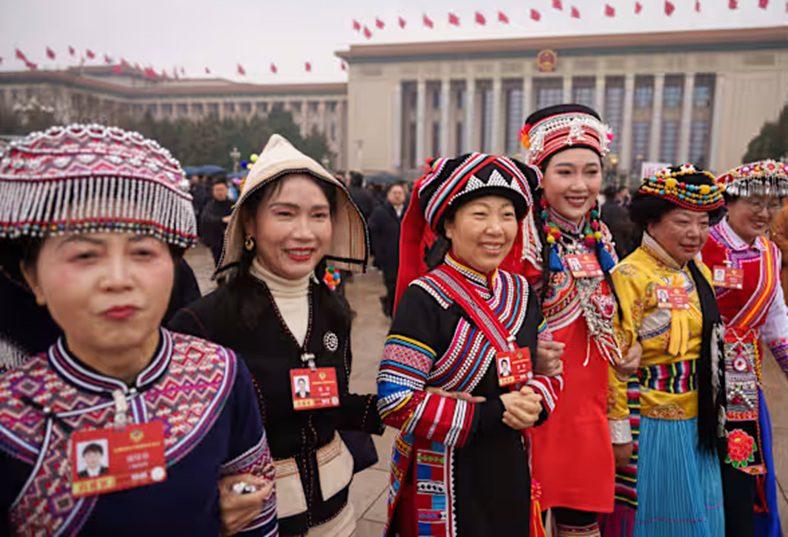
In a significant move to reinforce national cohesion, the Chinese government has introduced a landmark “ethnic unity” law, aiming to promote a unified national identity and foster a sense of shared citizenship among the country’s diverse ethnic groups. This comprehensive legislation encompasses a range of measures designed to encourage the integration of minority communities into the broader Chinese society, with a focus on language, education, and social cohesion.
At the heart of the new law is the mandatory use of Mandarin Chinese as the primary language of instruction in schools, a move intended to facilitate communication and promote a shared cultural heritage across different ethnic groups. This provision is expected to have a profound impact on the educational landscape, as minority languages and dialects will no longer be the primary medium of instruction. While some critics have raised concerns about the potential loss of cultural diversity and linguistic heritage, proponents argue that this measure will help to bridge the gap between ethnic minorities and the majority Han population.
In addition to language requirements, the law also places a strong emphasis on the role of parents in shaping the values and loyalties of their children. According to the legislation, parents are now obligated to guide their children in developing a strong sense of loyalty and devotion to the Communist Party, as well as a deep appreciation for the country’s history, culture, and traditions. This provision reflects the government’s efforts to instill a shared sense of national identity and purpose, as well as to ensure that future generations remain committed to the country’s socialist ideals.
Another key aspect of the law is the promotion of mixed neighborhoods, where people from different ethnic backgrounds can live together and interact in a spirit of mutual respect and understanding. By encouraging the development of diverse and inclusive communities, the government hopes to break down social and cultural barriers, and foster a sense of national unity and cohesion. This approach is seen as a crucial step in addressing the historical grievances and inequalities that have sometimes strained relations between ethnic minority groups and the majority Han population.
The introduction of this “ethnic unity” law has sparked a lively debate, with some observers hailing it as a significant step forward in promoting national integration and social cohesion, while others have raised concerns about the potential erosion of cultural diversity and individual freedoms. As the Chinese government navigates the complex and sensitive issue of ethnic relations, it will be crucial to strike a balance between promoting national unity and respecting the unique cultural and linguistic heritage of the country’s diverse ethnic groups. By doing so, the government can help to build a more inclusive and harmonious society, where all citizens can thrive and contribute to the country’s continued growth and prosperity.
As the implementation of the law gets underway, it will be important to monitor its impact on ethnic minority communities, and to ensure that the rights and interests of all citizens are protected and respected. The Chinese government has emphasized its commitment to promoting ethnic unity and social cohesion, while also acknowledging the need to preserve the country’s rich cultural diversity. As the country continues to evolve and grow, it is likely that the “ethnic unity” law will play a significant role in shaping the future of Chinese society, and in promoting a shared sense of national identity and purpose among all citizens.