 Sonam Wangchuk seeks Amit Shah’s resignation over Leh violence, fears might be killed in ‘encounter’ What we know
  ‘Fixed match’: CJP’s Dipke urges opposition to stop contesting ‘rigged’ elections amid CEC row
  US considers diesel export ban as India boosts shipments.
  In their words: From across the world, leaders call for action on climate change at the UN
  Europe warns of Russia’s hybrid attacks but struggles to counter them
 Escalating Tensions: Israel Launches Airstrikes on Beirut Suburbs in Response to Hezbollah Rocket Attacks
escalating tensions israel launches:
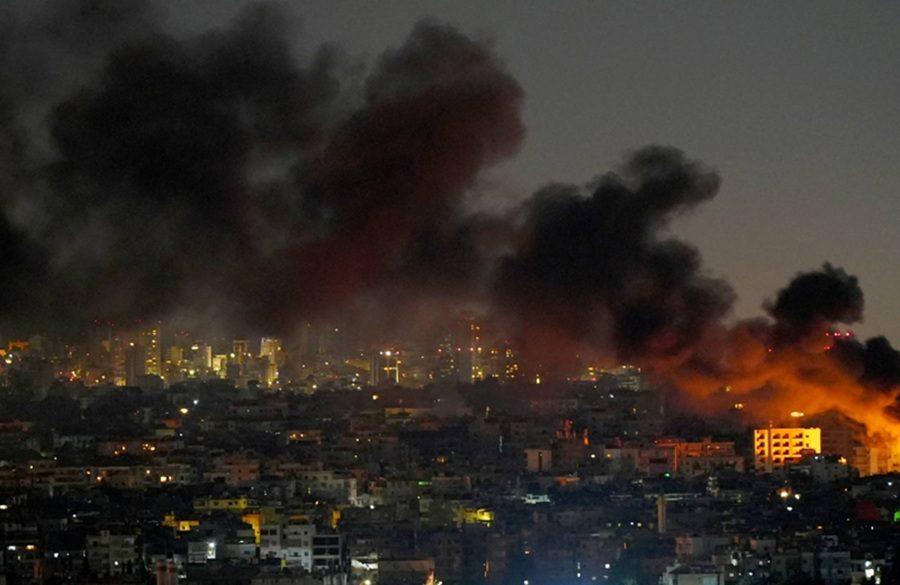
The ongoing conflict between Israel and Hezbollah has intensified, with the Israeli military launching a series of airstrikes on the suburbs of Beirut in retaliation for a barrage of rockets fired by the Lebanese militant group. The latest escalation of violence has resulted in significant damage and loss of life, with reports indicating that at least eight people were killed in the Israeli strikes, which also targeted other areas of the Lebanese capital, including the seafront.
The situation remains volatile, with both sides exchanging blows and escalating tensions in the region. The Israeli military has confirmed that it carried out airstrikes on Hezbollah targets in Beirut, citing the need to respond to the rocket attacks, which were launched from Lebanese territory. The Israeli government has stated that it will not tolerate attacks on its territory and will take all necessary measures to protect its citizens.
Hezbollah, which is backed by Iran, has been accused of launching the rocket attacks, which were reportedly aimed at Israeli military positions. The militant group has a long history of conflict with Israel, and the latest escalation of violence is seen as a significant increase in tensions between the two sides. The international community has urged restraint and called for a de-escalation of the conflict, but so far, there is no indication that the violence will subside.
The Lebanese government has condemned the Israeli airstrikes, describing them as a violation of Lebanese sovereignty. The government has also called for an emergency meeting of the United Nations Security Council to discuss the situation and to demand an end to the Israeli aggression. The Lebanese people are bearing the brunt of the conflict, with many forced to flee their homes and seek shelter in safer areas.
The Israeli strikes on Beirut have raised concerns about the potential for a wider conflict in the region. The Lebanese capital is a densely populated area, and the airstrikes have caused significant damage to civilian infrastructure, including homes, businesses, and hospitals. The international community has expressed concern about the humanitarian situation in Lebanon and has called for all sides to respect international humanitarian law and to take steps to protect civilians.
The United States, which is a key ally of Israel, has expressed support for the Israeli government’s right to self-defense, but has also called for restraint and a de-escalation of the conflict. The European Union has also urged restraint, calling for a swift end to the violence and a return to diplomatic efforts to resolve the conflict. The United Nations has condemned the violence and has called for an immediate ceasefire, but so far, there is no indication that the conflict will subside.
As the situation continues to unfold, there are fears that the conflict could escalate further, drawing in other regional actors and sparking a wider conflict. The international community is watching the situation closely, and there are calls for a swift and effective response to prevent further violence and to protect civilians. The humanitarian situation in Lebanon is a major concern, and there are fears that the conflict could lead to a significant increase in refugee flows and humanitarian needs. The conflict is a complex and multifaceted issue, and a resolution will require a comprehensive and sustained diplomatic effort.