Europe warns of Russia’s hybrid attacks but struggles to counter them
  Former chief election commissioner calls SIR scheme illegal.
  A Corruption Scandal Is Reshaping Brazil’s Presidential Election
  US citizen injured in Illinois after ICE agents mistook him for fugitive, tried to arrest him
  At 10 years old, Smithsonian’s Black museum is undaunted amid pressure from Trump administration
 Iran-US War Update: IRGC Declares Strait of Hormuz Closed, Demands Iranian Approval for All Ships
iranus update irgc declares:
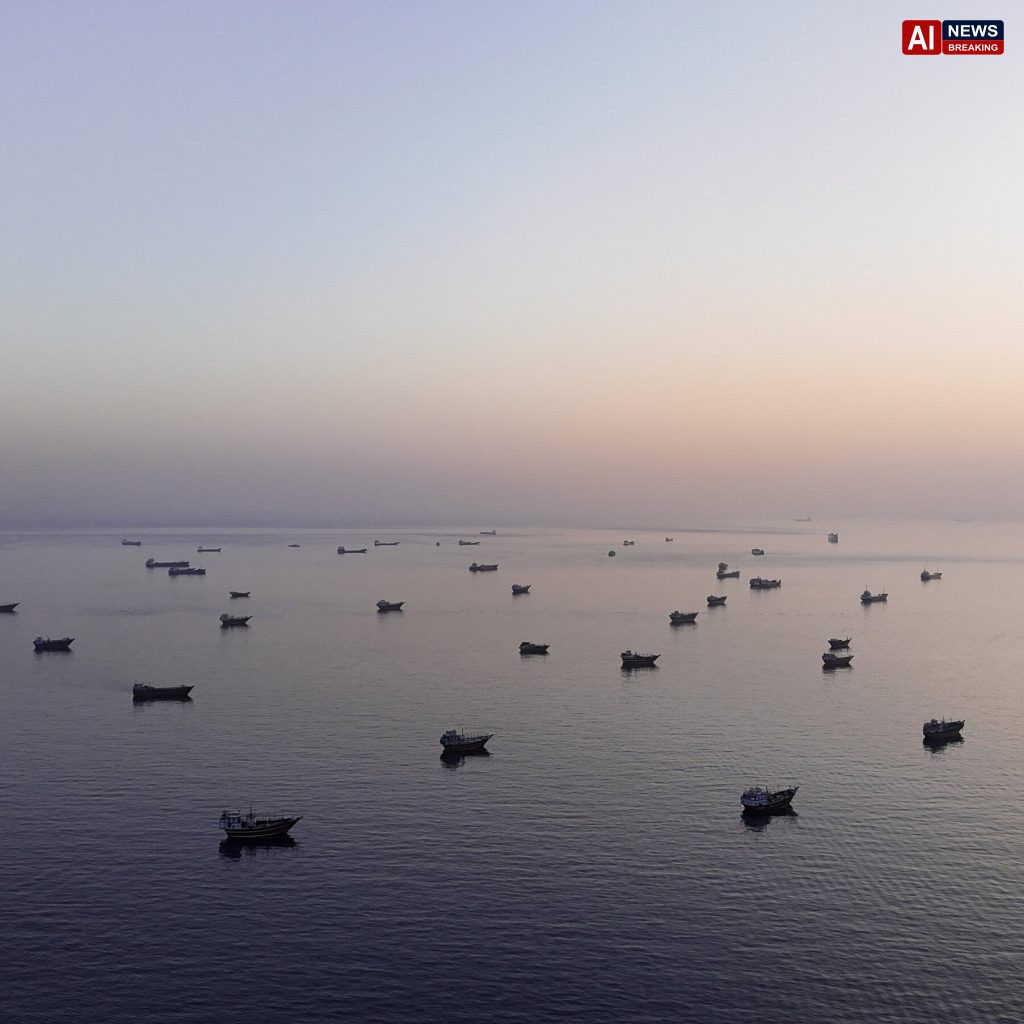
The Iran-US crisis has entered a new phase after Iran’s Islamic Revolutionary Guard Corps (IRGC) reiterated that the Strait of Hormuz remains closed and that vessels require authorization from Iranian authorities to transit through the strategic waterway. The development has heightened concerns over global energy security, shipping disruptions and the potential for further escalation in the Middle East.
The ongoing standoff between Iran and the United States has once again placed the Strait of Hormuz—the world’s most important energy chokepoint—at the center of global attention.
In a series of statements issued by Iranian authorities and the Islamic Revolutionary Guard Corps (IRGC), Tehran has maintained that passage through the Strait of Hormuz remains subject to Iranian approval, warning vessels against attempting to transit without authorization. The latest remarks come amid fragile diplomatic efforts aimed at preventing a wider regional conflict.
The Strait of Hormuz connects the Persian Gulf to the Gulf of Oman and the Arabian Sea, serving as a critical route for approximately one-fifth of the world’s oil and liquefied natural gas shipments under normal circumstances.
Any prolonged disruption in the waterway carries significant implications for:
- Global oil prices.
- Energy markets.
- International shipping.
- Supply chains.
- Inflation worldwide.
Iran Reasserts Control Over Hormuz
Iran’s position has remained consistent throughout the recent crisis.
The IRGC has repeatedly stated that the entrances and exits to the Strait of Hormuz are under its control and that ships attempting to use routes not approved by Tehran could face enforcement measures. Iranian officials have also emphasized that they no longer recognize existing maritime arrangements that primarily route vessels through Omani waters.
The Persian Gulf Strait Authority (PGSA), an Iranian maritime body established during the conflict, has stated that transit applications must be submitted through its official channels and that approvals will only be considered once security conditions improve.
While Iran describes these measures as necessary for national security, Western governments and international organizations have expressed concern over restrictions affecting freedom of navigation through international waters.
Why the Strait of Hormuz Matters
Few maritime passages are as strategically significant as the Strait of Hormuz.
At its narrowest point, the waterway is only about 33 kilometers (21 miles) wide, with designated shipping lanes considerably smaller.
Under normal circumstances, the strait facilitates the export of oil from major producers including:
- Saudi Arabia.
- Iraq.
- Kuwait.
- Qatar.
- The United Arab Emirates.
- Iran.
Analysts estimate that roughly 20% of global petroleum consumption depends on uninterrupted access through Hormuz.
Consequently, any disruption—even temporary—can trigger immediate reactions in commodity and financial markets.
Diplomatic Efforts Continue
Despite increasingly forceful rhetoric, diplomatic channels remain active.
Oman has emerged as a key intermediary in discussions involving maritime access and broader ceasefire efforts. Recent negotiations have reportedly focused on establishing temporary shipping arrangements while reducing the risk of direct confrontation between Iran and the United States.
According to reports, Tehran has proposed arrangements that would route a greater share of maritime traffic through Iranian-controlled waters. Oman, meanwhile, has advocated for maintaining internationally recognized transit systems that divide navigation responsibilities more evenly.
The differences underscore the broader dispute between Tehran and Washington regarding the interpretation of previous understandings concerning maritime security.
Shipping Industry Faces Continued Uncertainty
Commercial shipping companies continue to monitor developments closely.
Industry concerns include:
- Elevated insurance premiums.
- Longer transit times.
- Increased security costs.
- Potential vessel delays.
- Risks of accidental escalation.
Shipping traffic through the region has reportedly remained below historical averages as operators assess the evolving security situation. Several maritime advisory groups have recommended heightened caution for vessels operating near the Persian Gulf.
The uncertainty has also affected energy markets, where traders remain highly sensitive to developments involving the Strait of Hormuz.
Global Economic Implications
The importance of the Strait of Hormuz extends well beyond the Middle East.
Disruptions to maritime traffic could affect:
- Fuel prices in Asia, Europe and North America.
- Manufacturing supply chains.
- Aviation costs.
- Agricultural input prices.
- Inflation rates globally.
Economists have warned that sustained instability in the region could place additional pressure on economies already contending with slower growth and persistent inflation.
For energy-importing nations such as India, Japan and South Korea, developments in Hormuz are particularly significant given their dependence on Gulf energy supplies.
Washington’s Response
The United States has continued to insist that freedom of navigation through international waterways must be preserved.
American officials have repeatedly emphasized that commercial shipping should not be subject to unilateral restrictions and have maintained a significant military presence in the region.
At the same time, recent reports suggest that Washington remains open to diplomatic engagement aimed at reducing tensions and preventing further military escalation.
The current pause in direct military operations has provided mediators with an opportunity to pursue temporary arrangements, although substantial disagreements remain unresolved.
What Happens Next?
Several scenarios remain possible in the weeks ahead:
- A negotiated framework for maritime transit.
- Continued restrictions accompanied by diplomatic talks.
- Increased international involvement in securing shipping lanes.
- Renewed military escalation if incidents occur.
- A broader agreement addressing both maritime and nuclear issues.
Analysts caution that the Strait of Hormuz will likely remain a central issue in any future negotiations between Iran and the United States.
The latest statements from Iran regarding the Strait of Hormuz illustrate how strategic waterways can become focal points during geopolitical crises.
While diplomatic efforts continue, uncertainty surrounding maritime access remains a major concern for governments, businesses and energy markets around the world.
For now, the message from Tehran is clear: Iran intends to play a decisive role in determining how and when vessels transit one of the world’s most vital shipping corridors. Whether that position leads to compromise or further confrontation may ultimately shape the next chapter of the Iran-US conflict.
Insight: The Strait of Hormuz has long represented more than a shipping route—it is a symbol of geopolitical leverage. Iran’s insistence on controlling access reflects its broader strategy of using strategic geography as a negotiating tool. Meanwhile, the United States and its allies continue to frame the issue as one of international maritime law and freedom of navigation. The coming weeks will be critical in determining whether diplomacy can prevail over escalation in one of the world’s most strategically sensitive regions.