Europe warns of Russia’s hybrid attacks but struggles to counter them
  Former chief election commissioner calls SIR scheme illegal.
  A Corruption Scandal Is Reshaping Brazil’s Presidential Election
  US citizen injured in Illinois after ICE agents mistook him for fugitive, tried to arrest him
  At 10 years old, Smithsonian’s Black museum is undaunted amid pressure from Trump administration
 US Investigates Suspected Iranian Cyberattack on Minnesota Water Systems, Raising Critical Infrastructure Concerns
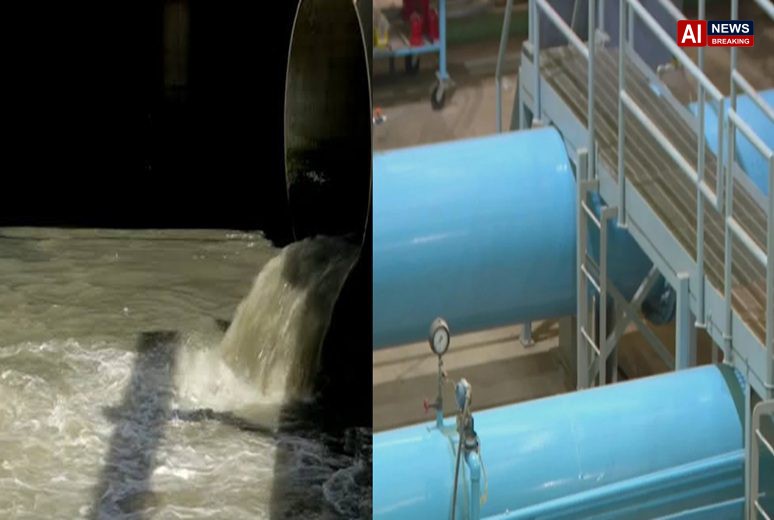
US Investigates Suspected Iranian Cyberattack on Minnesota Water Systems, Raising Critical Infrastructure Concerns - AI News Breaking
U.S. authorities are investigating whether Iranian hackers were behind a coordinated cyberattack targeting more than 30 water systems in Minnesota. While officials say drinking water remains safe, the incident has heightened concerns about the vulnerability of America’s critical infrastructure amid ongoing tensions with Iran.
The United States has launched a federal investigation into a series of cyberattacks that targeted municipal water systems across Minnesota, with officials increasingly examining whether Iranian state-linked hackers were involved in the coordinated operation.
Key Highlights
- More than 30 Minnesota water systems were targeted in coordinated cyberattacks.
- U.S. authorities are investigating possible Iranian involvement.
- No evidence suggests drinking water was contaminated.
- Several communities temporarily switched to manual operations.
- Federal agencies have previously warned of Iranian cyber threats targeting U.S. infrastructure.
The attacks, which affected more than 30 community water and wastewater facilities over a 48-hour period, have sparked alarm among cybersecurity experts and government agencies due to their potential implications for national security and critical infrastructure protection.
According to Minnesota state officials, the cyber incidents disrupted operational technology used by local water systems, forcing some facilities to temporarily switch to manual operations. Authorities have emphasized, however, that there is currently no evidence that drinking water quality or public safety was compromised.
More Than 30 Water Systems Targeted
The attacks reportedly occurred between July 26 and July 27 and impacted municipalities across Minnesota, including:
- Braham
- Plymouth
- South St. Paul
- Maple Plain
- Additional communities not yet publicly identified
In Braham, the cyberattack briefly shut down operating controls at the city’s water treatment plant and well system, limiting supply to stored water reserves until technicians restored operations.
Other affected communities reported disruptions involving water towers, lift stations and automated monitoring systems.
Iran Under Investigation
Federal investigators, including the FBI and cybersecurity agencies, are examining whether the attacks bear the hallmarks of previously documented Iranian cyber campaigns.
Officials have cautioned that attribution remains preliminary and no definitive public determination has been made. However, several factors have drawn attention to Tehran, including similarities with recent federal advisories warning of Iranian-affiliated actors targeting industrial control systems used in the United States.
Cybersecurity experts note that Iranian groups have historically focused on programmable logic controllers (PLCs)—devices commonly used to manage water treatment facilities, power grids and industrial operations.
A leaked industry memo reportedly circulated among water utilities linked the Minnesota attacks to Iranian actors, although authorities continue to analyze technical evidence before making any formal attribution.
Critical Infrastructure in the Crosshairs
The incident has renewed concerns regarding the cybersecurity of America’s water infrastructure.
Federal agencies have repeatedly warned that many municipal water systems remain vulnerable due to:
- Aging infrastructure.
- Limited cybersecurity budgets.
- Internet-connected control systems.
- Staffing shortages.
- Inconsistent security standards.
Earlier this year, the FBI, EPA, CISA and NSA jointly issued advisories warning of active Iranian-affiliated cyber threats against U.S. water and wastewater facilities.
Government Accountability Office reports have similarly highlighted persistent weaknesses within the sector, describing water infrastructure as an increasingly attractive target for state-sponsored cyber actors.
No Immediate Threat to Drinking Water
Despite the seriousness of the attacks, officials have stressed that residents should not be alarmed about the safety of their water supplies.
Authorities stated that:
- No contamination has been detected.
- Water treatment safeguards functioned as intended.
- Manual backup systems were successfully activated.
- Public health impacts have not been reported.
Several municipalities briefly advised residents to reduce water consumption as a precaution while systems were restored, but no boil-water notices linked directly to contamination concerns have been issued.
Experts note that modern water treatment facilities typically include multiple layers of redundancy designed to prevent cyber incidents from directly affecting water quality.
Rising Cyber Tensions Between Washington and Tehran
The investigation comes amid continued geopolitical tensions between the United States and Iran.
Over the past year, federal agencies have attributed multiple cyber campaigns targeting American organizations to Iranian-affiliated groups. These incidents have included attacks against:
- Energy providers.
- Transportation systems.
- Healthcare companies.
- Government institutions.
- Industrial facilities.
Cybersecurity analysts have observed an increase in activity targeting operational technology rather than traditional information systems, reflecting a broader shift toward attacks capable of producing real-world disruptions.
While cyber operations have long been part of modern geopolitical competition, attacks on civilian infrastructure represent a particularly sensitive area due to their potential impact on public safety.
Experts Warn of Future Threats
Security specialists believe the Minnesota incident may serve as a warning for municipalities across the country.
They recommend that utilities:
- Disconnect critical systems from the public internet.
- Implement multi-factor authentication.
- Conduct regular cybersecurity audits.
- Strengthen incident response plans.
- Increase employee cybersecurity training.
Federal agencies have also encouraged water operators to review recent advisories and implement recommended security measures immediately.
Industry observers note that smaller communities are often particularly vulnerable because they lack the financial and technical resources available to larger metropolitan systems.
Investigation Continues
The FBI, Minnesota IT Services and federal cybersecurity agencies continue to collect evidence related to the attacks.
Investigators are expected to examine:
- Network logs.
- Malware signatures.
- Infrastructure vulnerabilities.
- Potential links to known threat actors.
- Patterns consistent with previous cyber campaigns.
Officials caution that cyber attribution is a complex process that can take weeks or even months to complete.
Until then, authorities remain focused on ensuring that affected systems remain operational and that additional attacks are prevented.
The Minnesota cyberattacks illustrate a growing reality of modern conflict: critical infrastructure has become a frontline in geopolitical competition. Whether or not Iran is ultimately found responsible, the incident underscores the increasing vulnerability of municipal systems that rely on interconnected technologies. As cyber capabilities evolve, governments worldwide will face mounting pressure to strengthen the digital defenses protecting essential public services such as water, electricity and healthcare.