Europe warns of Russia’s hybrid attacks but struggles to counter them
  Former chief election commissioner calls SIR scheme illegal.
  A Corruption Scandal Is Reshaping Brazil’s Presidential Election
  US citizen injured in Illinois after ICE agents mistook him for fugitive, tried to arrest him
  At 10 years old, Smithsonian’s Black museum is undaunted amid pressure from Trump administration
 Adani’s Queensland Coal Mine Reports 1 Billion Revenue but No Company Tax: Carmichael Mine Accounts Spark Fresh Debate
Adani’s Carmichael coal mine in Queensland has generated nearly $1 billion in revenue, but will pay no company tax after declaring a substantial accounting loss, reigniting discussions over corporate taxation, mining economics, and Australia’s resource taxation framework.
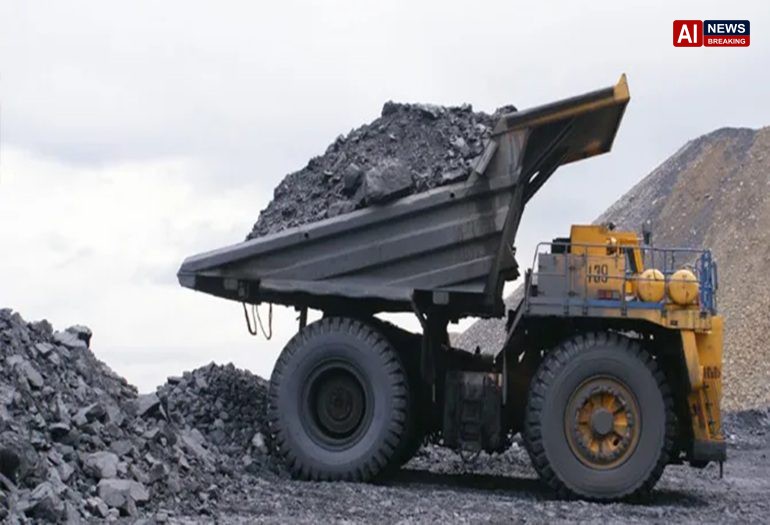
Adani's Queensland Coal Mine Reports 1 Billion Revenue but No Company Tax: Carmichael Mine Accounts Spark Fresh Debate - AI News Breaking
adanis queensland coal mine:
Adani Group’s Carmichael coal mine in Queensland has generated nearly US$1 billion in revenue over the past financial year but will reportedly pay no company tax after declaring a substantial accounting loss. The financial disclosures have reignited discussions over corporate taxation, mining economics and Australia’s resource taxation framework.
Adani’s Carmichael Mine Records Nearly $1 Billion in Revenue While Reporting Tax Loss
Indian conglomerate Adani Group has once again found itself at the center of public debate after financial accounts revealed that its Carmichael coal mining operations in Queensland generated almost US$963.5 million in revenue during the financial year ending March 31, yet recorded a US$340.6 million loss, resulting in no company tax liability for the period.
The figures have attracted significant attention because the Carmichael mine has long been one of Australia’s most closely watched mining projects. Since its approval, the project has generated intense discussions over environmental concerns, employment, economic benefits and taxation.
While critics argue that a business generating substantial revenue should contribute corporate tax, tax experts note that company tax is levied on taxable profits—not revenue—and businesses can legally offset eligible expenses and losses under Australia’s tax laws.
Key Highlights
- Adani’s Carmichael mine generated approximately US$963.5 million in annual revenue.
- The company reported an accounting loss of about US$340.6 million.
- The reported loss means no corporate income tax is payable for the financial year under applicable tax rules.
- Large operating, logistics and financing expenses contributed to the reported loss.
- The disclosures have renewed debate over corporate taxation, mining economics and Australia’s resource policies.
How Did the Mine Report a Loss?
According to the financial statements, the Carmichael mine’s operations generated approximately US$963.5 million in revenue, but large operating costs significantly reduced profitability.
Among the reported expenses were:
- Coal production costs.
- Freight and logistics expenses.
- Infrastructure and transportation costs.
- Related-party service charges.
- Operational financing expenses.
- Depreciation and capital-related costs.
After accounting for these expenditures, the company reported a loss of approximately US$340.6 million, eliminating any corporate income tax liability for the financial year.
Mining analysts point out that large-scale resource projects often incur substantial operating and financing costs, particularly during the years following development and expansion.
Revenue Does Not Equal Taxable Profit
The latest disclosures have renewed public discussion about the distinction between revenue and taxable income.
Revenue represents the total income generated through business activities before expenses are deducted.
Corporate tax, however, is generally calculated on taxable profit after accounting for legitimate business costs, including:
- Employee wages.
- Equipment depreciation.
- Infrastructure investment.
- Interest payments.
- Transportation costs.
- Operating expenditures.
Tax professionals note that companies reporting accounting losses are generally not required to pay corporate income tax, provided those losses are calculated in accordance with applicable tax legislation.
This distinction frequently becomes the focus of public debate, particularly when large corporations report significant revenues alongside limited or no taxable profits.
A Project That Has Divided Opinion for Years
The Carmichael coal mine has remained one of Australia’s most controversial mining developments since it was first proposed.
Supporters have argued that the project:
- Creates employment opportunities.
- Supports regional economic development.
- Generates export earnings.
- Strengthens Australia’s mining sector.
- Contributes royalties to state governments.
Critics, however, have expressed concerns regarding:
- Climate change.
- Greenhouse gas emissions.
- Environmental impacts.
- Groundwater management.
- Long-term reliance on fossil fuels.
The latest financial results have added another dimension to the ongoing discussion by raising questions about the balance between economic activity and corporate tax contributions.
Royalties and Taxes Are Different
Although the company is not expected to pay corporate income tax for the reporting period, this does not necessarily mean that no payments are made to governments.
Mining companies may still pay:
- State mining royalties.
- Payroll taxes.
- Land taxes.
- Employee income tax through payroll withholding.
- Regulatory fees.
- Port and infrastructure charges.
Royalties differ from company tax because they are generally paid based on the value or volume of minerals extracted rather than company profits.
Consequently, even when a mining operation records an accounting loss, royalty obligations may still apply depending on state legislation.
Investors Focus on Long-Term Performance
Financial analysts caution against evaluating large mining projects solely on the basis of one year’s earnings.
Mining developments typically involve:
- Billions of dollars in upfront investment.
- Long construction periods.
- Significant financing costs.
- High infrastructure expenditure.
- Revenue fluctuations linked to global commodity prices.
As a result, profitability can vary considerably from year to year.
Industry observers note that coal prices, transportation costs and currency movements continue to influence financial performance across Australia’s mining sector.
Coal Industry Faces Changing Global Landscape
The Carmichael mine operates during a period of significant transformation in global energy markets.
While many developed economies continue expanding renewable energy generation, coal remains an important fuel source in several emerging markets, particularly across Asia.
Global demand continues to be influenced by:
- Industrial activity.
- Electricity generation.
- Energy security concerns.
- International commodity prices.
- Government climate policies.
Supporters of continued coal production argue that demand remains substantial, while critics advocate accelerating investment in cleaner energy alternatives.
This broader policy debate continues to shape public perceptions of major coal projects worldwide.
Public Debate Over Corporate Taxation
Large multinational corporations frequently attract scrutiny regarding their tax arrangements.
Economists emphasize that debates surrounding corporate taxation often involve two separate questions:
- Whether companies are complying with existing tax laws.
- Whether governments should modify tax legislation to change how businesses are taxed.
Many countries continue reviewing corporate taxation frameworks to ensure multinational companies contribute what policymakers consider an appropriate share of tax while maintaining investment competitiveness.
Australia has periodically introduced reforms aimed at increasing transparency in corporate financial reporting and multinational taxation.
Adani’s Investment in Australia
The Adani Group has invested heavily in Australia’s resources sector over the past decade.
The Carmichael project required extensive investment in:
- Mine development.
- Rail infrastructure.
- Logistics networks.
- Equipment acquisition.
- Operational facilities.
Supporters argue these investments have generated employment and economic activity across regional Queensland.
Opponents continue questioning the environmental sustainability of long-term coal expansion and the economic returns ultimately delivered to Australian taxpayers.
The latest financial disclosures are therefore likely to remain part of a wider national conversation about natural resource development and fiscal policy.
Outlook
Coal markets remain subject to changing global demand, commodity price volatility and evolving climate policies.
Future profitability for the Carmichael mine will depend on factors including:
- International coal prices.
- Production efficiency.
- Transportation costs.
- Exchange rates.
- Global energy demand.
- Regulatory developments.
Financial performance in coming years will determine whether the project transitions from reported accounting losses to sustained taxable profits.
Insight: The Carmichael mine’s latest financial results illustrate a recurring issue in corporate taxation: high revenue does not automatically translate into taxable profit. Capital-intensive industries such as mining often incur substantial operational, financing and infrastructure costs that can legally offset taxable income. At the same time, cases like this continue to fuel public debate over whether existing tax frameworks strike the right balance between encouraging investment and ensuring that large corporations contribute fairly to public finances. As governments worldwide reassess tax policies for multinational companies, transparency and public understanding of corporate accounting are becoming increasingly important.