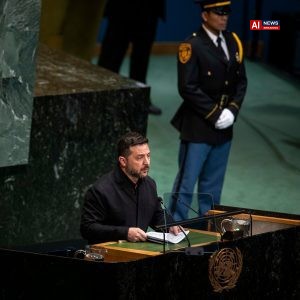
 Tech leaders to UN: For the sake of humanity, please control the AI technology we created
  Gulf nations have found ways to keep oil flowing
  France deploys patrol fleet to curb Channel migrant crossings
  From a Nepal in Pain, a Young Leader Makes a Case for Climate Reparations
  Ukraine transfers two North Korean POWs to South Korea.
 Cuba Announces prisoner Release in Bid to Ease Tensions with US Amid Growing Diplomatic Pressure
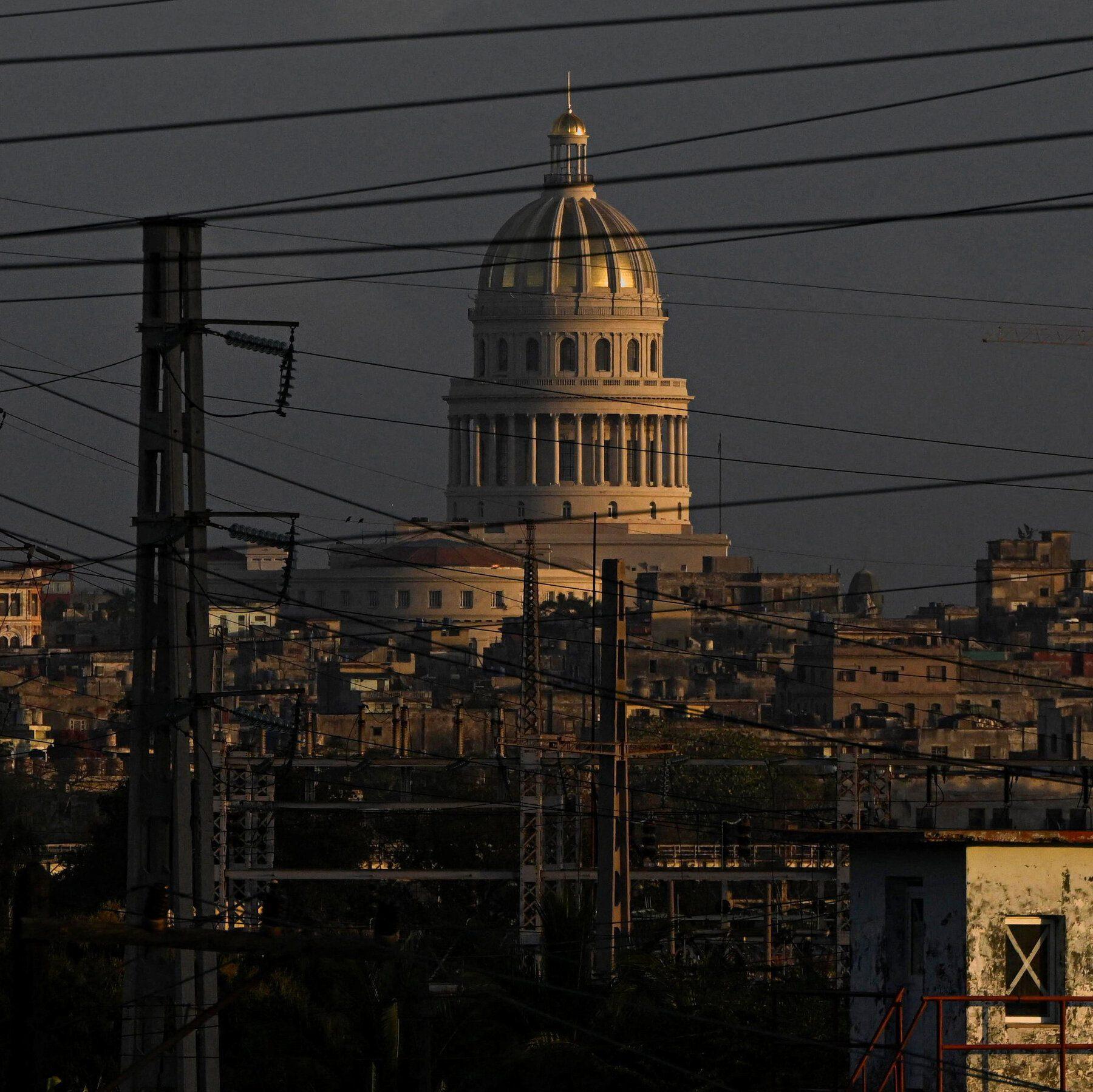
In a surprise move, the Cuban government has announced its intention to release 51 prisoners, a decision that is widely seen as an attempt to alleviate mounting diplomatic pressure from the United States. The prisoner release is perceived as a strategic maneuver to placate the Trump administration, which has been exerting significant economic and political pressure on the island nation.
The Trump administration has been actively seeking to restrict Cuba’s access to oil, imposing a de facto blockade that has significantly impacted the country’s energy sector. This move has been part of a broader effort to isolate the Cuban government and limit its economic viability. By announcing the prisoner release, Cuba may be attempting to create a window of opportunity for diplomatic engagement with the US, potentially paving the way for a relaxation of the economic constraints.
The prisoner release is likely to be viewed as a conciliatory gesture by the Cuban government, aimed at demonstrating its willingness to engage in constructive dialogue with the US. However, it remains to be seen whether this move will be sufficient to persuade the Trump administration to ease its stance on Cuba. The US has been seeking significant concessions from Cuba, including improvements in human rights and greater economic liberalization, in exchange for any relaxation of the embargo.
The decision to release the prisoners may also be seen as an effort by the Cuban government to address concerns raised by human rights organizations and other international bodies. The treatment of prisoners in Cuba has been a long-standing issue, with many critics accusing the government of suppressing dissent and freedom of expression. By releasing these prisoners, Cuba may be attempting to burnish its international reputation and demonstrate a commitment to improving its human rights record.
Despite the prisoner release, the broader context of US-Cuba relations remains complex and challenging. The Trump administration has taken a hardline stance on Cuba, rolling back many of the diplomatic and economic advances made during the Obama era. The US has also been seeking to promote greater democracy and freedom in Cuba, albeit through a policy of economic isolation and pressure.
As the situation continues to evolve, it remains to be seen whether the prisoner release will be sufficient to break the diplomatic impasse between the US and Cuba. The Cuban government may be seeking to use this move as a starting point for further negotiations, potentially exploring areas of common interest and cooperation. However, the US is likely to maintain its tough stance, seeking significant concessions from Cuba before considering any relaxation of the embargo.
In the coming weeks and months, the international community will be watching closely to see how the situation unfolds. The prisoner release may be a significant development, but it is only one piece of a much larger puzzle. As the US and Cuba navigate their complex and often fraught relationship, the world will be waiting to see whether these two nations can find a path towards greater understanding and cooperation. The fate of the 51 prisoners is just the beginning of a long and complex process, one that may ultimately determine the future of US-Cuba relations for years to come.