 France deploys patrol fleet to curb Channel migrant crossings
  From a Nepal in Pain, a Young Leader Makes a Case for Climate Reparations
  Ukraine transfers two North Korean POWs to South Korea.
  Australia probes AI‑driven breach of My Health Record portal
  Engineering student’s ‘suicide’ turns out to be murder two arrested
 Supreme Court directs Centre to restrict fuel sales to uninsured vehicles
The Supreme Court has directed the Centre to develop a plan to restrict fuel sales to vehicles without valid insurance, aiming to reduce the number of uninsured vehicles on Indian roads and improve road safety, by linking vehicle registration numbers to insurance policies and requiring fuel stations to check insurance status before selling fuel.
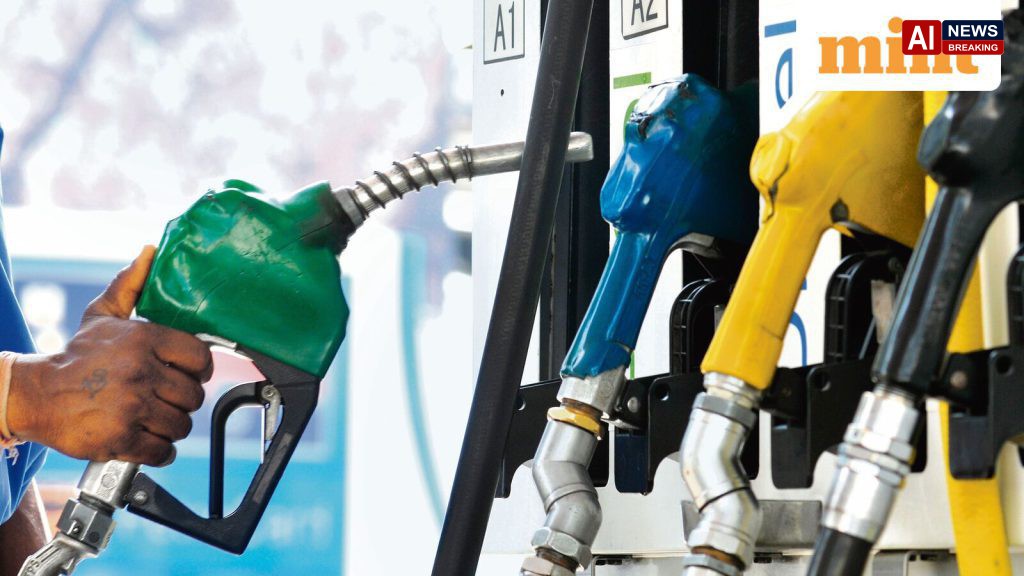
Supreme Court directs Centre to restrict fuel sales to uninsured vehicles - AI News Breaking
The Supreme Court has directed the Centre to come up with a plan to restrict the sale of fuel to vehicles without valid insurance. This move is seen as an attempt to reduce the number of uninsured vehicles on Indian roads. The court’s directive is based on the idea that a system which denies fuel to uninsured vehicles would be an effective way to identify and track such vehicles..
The proposed system would also encourage vehicle owners to keep their insurance policies active and up to date. The Supreme Court’s directive is a significant step towards improving road safety in the country. According to official statistics, a large number of vehicles on Indian roads do not have valid insurance, which poses a significant risk to other road users..
The court’s order is also seen as a move to reduce the financial burden on the families of accident victims who often have to bear the costs of medical treatment and other expenses. The court said that a system which restricts the sale of fuel to uninsured vehicles would be a simple yet effective way to ensure that all vehicles on the road have valid insurance. The system would work by linking the vehicle’s registration number to its insurance policy, and fuel stations would be required to check the insurance status of a vehicle before selling fuel to it..
This would make it difficult for vehicles without valid insurance to operate on the roads. The proposed system would also help to identify and track unregistered vehicles, which are often used for illegal activities. The court noted that unregistered vehicles pose a significant threat to public safety and security, and that the proposed system would be an effective way to tackle this problem..
The court also directed the Centre to explore the possibility of using technology to track and monitor uninsured vehicles. The Centre has been given a deadline to come up with a plan to implement the proposed system. The plan would require the cooperation of state governments, fuel station owners, and insurance companies..
The court said that the Centre should work with these stakeholders to develop a system that is effective and efficient. The court also directed the Centre to ensure that the system is implemented across the country in a phased manner. The proposed system would have significant benefits for road safety in the country..
It would help to reduce the number of accidents on the roads and would also help to reduce the financial burden on the families of accident victims. The system would also help to reduce the number of uninsured vehicles on the roads, which would make it easier for law enforcement agencies to track and monitor vehicles. The court’s directive has been welcomed by road safety activists, who have been campaigning for stricter laws to regulate the use of vehicles on Indian roads..
They say that the proposed system would be an effective way to improve road safety and would also help to reduce the number of accidents on the roads. The activists also noted that the system would be a significant step towards reducing the number of uninsured vehicles on the roads. The Centre has said that it would work with state governments and other stakeholders to develop a plan to implement the proposed system..
The Centre has also said that it would explore the possibility of using technology to track and monitor uninsured vehicles. The Centre has been given a deadline to come up with a plan, and it is expected that the plan would be implemented in a phased manner across the country. The proposed system would require significant changes to the existing laws and regulations governing the use of vehicles on Indian roads..
The court has directed the Centre to work with state governments and other stakeholders to develop a plan that is effective and efficient. The court has also directed the Centre to ensure that the system is implemented in a way that does not cause inconvenience to law-abiding citizens. The court’s directive is a significant step towards improving road safety in the country..
The proposed system would help to reduce the number of accidents on the roads and would also help to reduce the financial burden on the families of accident victims. The system would also help to reduce the number of uninsured vehicles on the roads, which would make it easier for law enforcement agencies to track and monitor vehicles. The implementation of the proposed system would require significant investment in technology and infrastructure..
The Centre would need to work with state governments and other stakeholders to develop a system that is effective and efficient. The system would also require significant changes to the existing laws and regulations governing the use of vehicles on Indian roads. The court has directed the Centre to ensure that the system is implemented in a way that does not cause inconvenience to law-abiding citizens..
The court’s directive has been welcomed by the insurance industry, which has been campaigning for stricter laws to regulate the use of vehicles on Indian roads. The industry says that the proposed system would be an effective way to improve road safety and would also help to reduce the number of accidents on the roads. The industry also noted that the system would be a significant step towards reducing the number of uninsured vehicles on the roads..
The proposed system would have significant benefits for the insurance industry, which would see an increase in the number of policies sold. The industry would also benefit from the reduced number of accidents on the roads, which would result in lower claims and lower costs. The industry has welcomed the court’s directive and has said that it would work with the Centre and other stakeholders to develop a plan to implement the proposed system..
Updated: August 4, 2026
The Supreme Court has directed the Centre to devise a plan to restrict the sale of fuel to vehicles without valid insurance, in a move aimed at improving road safety in the country. The proposed system would link vehicle registration numbers to insurance policies and require fuel stations to check insurance status before selling fuel.