 Top Saudi Cleric Calls Fight Against Houthis a Religious Duty
  Andhra to sell super-fine rice at ₹50 a kg, onions at ₹35, and pay MSP to move farmers off paddy
  OpenAI agents hack Australian Health website.
  Once Sentenced to Death, Mary Jane Veloso Receives Pardon in the Philippines
  A Russian Software Company Duped the Secret Service, U.S. Prosecutors Say
 India rejects Saudi flight plea
** The Indian government has turned down Saudi Arabia’s plea to operate flights from Riyadh to Thiruvananthapuram International Airport, despite high demand from the Kerala state government and local business leaders, in a bid to promote Indian carriers and international operations from non-metro airports.
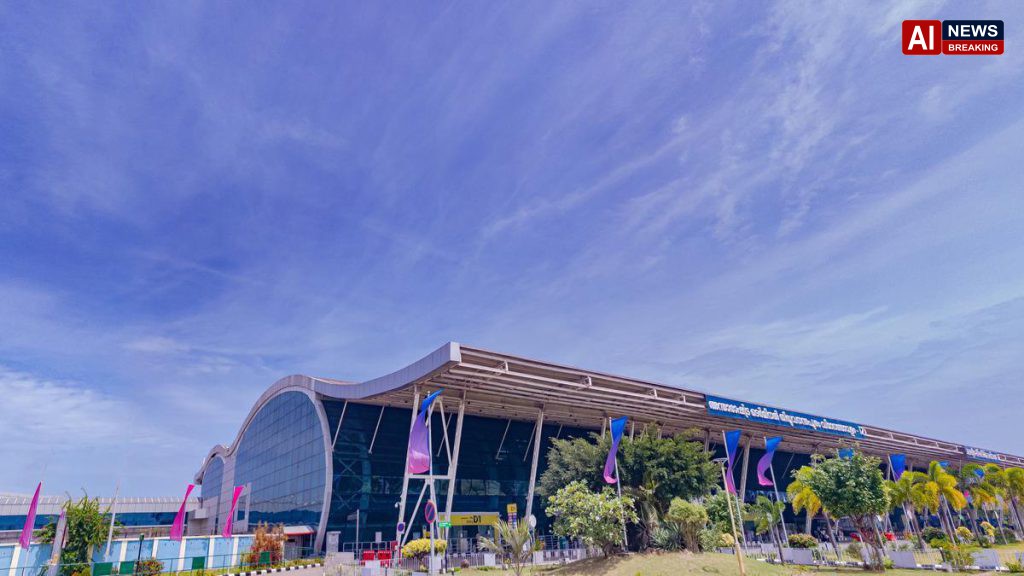
India rejects Saudi flight plea - AI News Breaking
Despite high demand, Centre rejects Saudi’s plea to operate flights to Kerala’s Thiruvananthapuram airport The Indian government has turned down a request from the Saudi government to allow Saudi Arabian Airlines to operate flights from Riyadh to Thiruvananthapuram International Airport. This decision comes despite a significant demand from the Kerala state government and local business leaders for increased international connectivity to the region. According to sources, the Union Minister has cited the Indian government’s efforts to promote international operations from non-metro airports as the primary reason behind the rejection of Saudi Arabia’s plea..
The Union Minister stated that the Centre is currently focused on supporting Indian carriers in their efforts to establish international operations from non-metro airports, such as Thiruvananthapuram. The rejection of Saudi Arabia’s request has been met with disappointment from the Kerala government and local business leaders, who have long sought increased international connectivity to the region. Thiruvananthapuram International Airport is currently one of the few airports in Kerala that has a significant waiting list for international flights..
Union Minister pointed out that non-metro airports, including Thiruvananthapuram, are not being granted new Point of Call status under Air Service Agreements (ASAs) to foreign carriers. The minister explained that this decision is part of the Centre’s efforts to promote the growth of Indian carriers through international operations from non-metro airports. The Indian government’s focus on promoting Indian carriers has been a key component of its aviation policy in recent years..
By supporting Indian carriers, the Centre aims to increase the competitiveness of local airlines and improve the overall efficiency of the aviation sector. Despite the government’s efforts, the Indian aviation sector still lags behind its international peers in terms of competitiveness and efficiency. However, the sector has shown significant growth in recent years, driven by increasing demand for air travel and the government’s efforts to liberalize the sector..
The rejection of Saudi Arabia’s request is likely to have significant implications for the aviation sector in Kerala. The region has seen significant growth in international trade and tourism in recent years, and the demand for increased international connectivity is likely to continue. In a statement, the Kerala government expressed disappointment over the Centre’s decision and urged the government to reconsider its stance..
The government pointed out that increased international connectivity is essential for the growth of the regional economy. Thiruvananthapuram International Airport is one of the few airports in Kerala that has the potential to handle increased international traffic. The airport has a state-of-the-art infrastructure and has been upgraded to handle larger aircraft..
However, the Centre’s decision is likely to be met with resistance from Indian carriers, who have long complained about the lack of competitive routes. The government’s focus on promoting Indian carriers has come at the expense of foreign carriers, who have been largely excluded from the sector. The Indian government’s aviation policy has been criticized for being overly restrictive and protectionist..
However, the Centre has argued that these measures are necessary to ensure the growth and development of the sector. The Centre’s decision to reject Saudi Arabia’s request has been welcomed by Indian carriers, who see it as an opportunity to strengthen their presence in the region. The government’s focus on promoting Indian carriers is likely to have significant implications for the sector in the coming years..
Thiruvananthapuram International Airport has been at the center of the debate over international connectivity in Kerala. The airport has the potential to handle increased international traffic and is likely to be a key player in the region’s growth story. The Indian government’s decision to reject Saudi Arabia’s request is a significant development in the debate over international connectivity in Kerala..
The Centre’s focus on promoting Indian carriers is likely to have far-reaching implications for the sector in the coming years. Despite the government’s efforts, the Indian aviation sector still faces significant challenges, including high fuel costs and inefficient airport infrastructure. The sector has shown significant growth in recent years, but it remains to be seen whether the government’s policies will be able to sustain this trend in the long term..
The Centre’s decision to reject Saudi Arabia’s request has been met with disappointment from the Kerala government and local business leaders. However, the government’s focus on promoting Indian carriers is likely to have significant implications for the sector in the coming years. The Indian government’s aviation policy has been a key component of its overall economic strategy..
The government has sought to promote the growth and development of the sector through a range of measures, including the liberalization of international routes. The Centre’s decision to reject Saudi Arabia’s request is likely to have significant implications for the aviation sector in Kerala. Thiruvananthapuram International Airport is set to become an increasingly important hub for the region, and the government’s focus on promoting Indian carriers is likely to play a key role in this process..
The rejection of Saudi Arabia’s request is likely to have significant implications for the Indian aviation sector as a whole. The sector has shown significant growth in recent years, but it remains to be seen whether the government’s policies will be able to sustain this trend in the long term. The Centre’s focus on promoting Indian carriers is likely to have significant implications for the sector in the coming years..
Indian carriers have long sought to strengthen their presence in the region, and the government’s support is likely to play a key role in this process. The Indian government’s aviation policy has been a key component of its overall economic strategy. The government has sought to promote the growth and development of the sector through a range of measures, including the liberalization of international routes..
The Centre’s decision to reject Saudi Arabia’s request is likely to have significant implications for the Kerala’s regional economy. The regional economy has seen significant growth in recent years, driven by increased international trade and tourism, and the demand for increased international connectivity is likely to continue. The rejection of Saudi Arabia’s request is likely to have significant implications for the Thiruvananthapuram International Airport,.
Updated: August 11, 2026
The Centre has turned down Saudi Arabian Airlines’ request to operate flights to Thiruvananthapuram International Airport, citing efforts to promote Indian carriers. The decision is a blow to local business leaders who have long sought increased international connectivity to the region.
Insight: The Indian government’s decision to prioritize domestic carriers over foreign ones may ultimately hinder the growth of Kerala’s regional economy, which relies heavily on international connectivity. By limiting foreign carriers’ access to Thiruvananthapuram International Airport, the government may be inadvertently stifling the region’s potential for increased trade and tourism.