Europe warns of Russia’s hybrid attacks but struggles to counter them
  Former chief election commissioner calls SIR scheme illegal.
  A Corruption Scandal Is Reshaping Brazil’s Presidential Election
  US citizen injured in Illinois after ICE agents mistook him for fugitive, tried to arrest him
  At 10 years old, Smithsonian’s Black museum is undaunted amid pressure from Trump administration
 Middle East Conflict Escalates With Fresh Strikes in Dubai and Baghdad
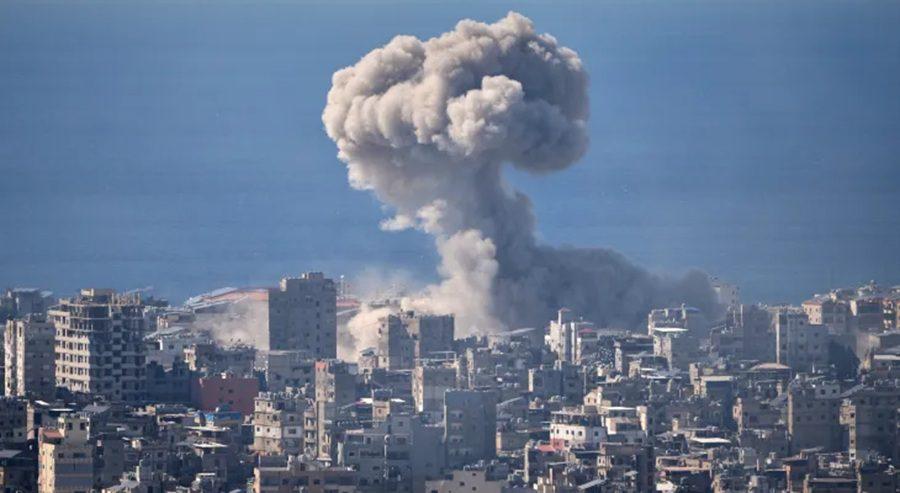
Tensions across the Middle East surged dramatically after new explosions rocked Dubai for the second time in less than 24 hours while a missile struck the U.S. Embassy compound in Baghdad, signaling a widening conflict linked to the ongoing Iran-U.S. regional war. The twin incidents have intensified fears that the confrontation is expanding across the Gulf region, threatening diplomatic missions, major cities, and critical energy infrastructure.
The attacks occurred as the broader war between Iran, the United States, and allied regional forces entered another volatile phase, marked by drone strikes, missile launches, and retaliatory military operations. Security officials and analysts warn that the latest developments may represent a dangerous turning point in the conflict.
Explosion Reported in Dubai Again
Authorities confirmed that Dubai experienced another attack within 24 hours, continuing a wave of strikes that have targeted multiple Gulf cities since the war began. According to regional reports, explosions were heard in parts of the city overnight, raising concerns about the safety of civilian infrastructure and international business hubs.
Dubai, one of the world’s most important commercial and aviation centers, has rarely been directly targeted in regional conflicts. However, recent weeks have seen an increasing number of missile and drone attacks aimed at Gulf states aligned with the United States.
Earlier strikes in the United Arab Emirates reportedly involved drones and missiles launched by Iranian forces or Iran-aligned groups as retaliation for joint U.S.-Israeli military operations against Iranian targets. Debris from intercepted missiles and drones has already caused structural damage in areas of Dubai, including near iconic landmarks and luxury districts.
Security authorities have not yet released full details of casualties or damage from the latest blast, but emergency services reportedly responded immediately, sealing off several locations.
Missile Hits U.S. Embassy Compound in Baghdad
In a major escalation, a missile struck the helipad inside the U.S. Embassy compound in Baghdad, one of the largest American diplomatic facilities in the world. Iraqi security officials confirmed the strike early Saturday, while eyewitness footage showed smoke rising above the embassy complex located inside the heavily fortified Green Zone.
The attack is believed to have been carried out by Iran-aligned militia groups operating in Iraq, which have repeatedly targeted U.S. installations in response to American military actions against Iran.
Initial reports suggest the missile impacted the helipad area rather than the main embassy building. Authorities have not yet confirmed whether there were casualties, though the incident highlights the vulnerability of U.S. diplomatic facilities amid the escalating conflict.
Security around the Green Zone was tightened immediately after the strike, with Iraqi forces increasing patrols and restricting movement in surrounding areas.
Warning Signs Before the Attack
The strike on the embassy came shortly after U.S. authorities issued renewed security warnings to American citizens in Iraq. The embassy had raised its threat alert level, warning that Iran-linked groups could target American interests, infrastructure, and personnel in the country.
For years, militias aligned with Iran have operated across Iraq under umbrella groups often referred to collectively as the “Islamic Resistance in Iraq.” These groups have carried out dozens of rocket, drone, and missile attacks against U.S. bases and diplomatic facilities.
Analysts say the latest strike may be a direct response to recent American and Israeli operations inside Iran.
Background: The Iran War Spreading Across the Region
The current conflict began after a series of coordinated military strikes by the United States and Israel on Iranian military targets earlier this year. Those strikes were reportedly intended to cripple Iran’s missile infrastructure and military capabilities.
Iran responded with a massive wave of retaliation across the region, launching hundreds of missiles and drones at Gulf countries hosting U.S. forces and military facilities. These attacks targeted multiple nations, including:
- United Arab Emirates
- Bahrain
- Saudi Arabia
- Kuwait
- Iraq
Iran’s strategy appears aimed at hitting both American military assets and economic infrastructure, particularly oil facilities and shipping routes.
Since the conflict erupted, hundreds of missiles and drones have been launched across the Gulf region, with several countries intercepting large numbers of them using air-defense systems.
Strategic Importance of Dubai and the Gulf
Dubai’s growing role as a global financial center makes it a symbolic and economic target in the ongoing conflict.
The city hosts:
- Major international banks
- Global aviation hubs
- Strategic shipping and logistics operations
A sustained threat to Dubai could disrupt international trade and tourism, both of which are central to the economy of the United Arab Emirates.
The UAE government has repeatedly condemned attacks on its territory and urged Iran to de-escalate tensions. Gulf states have also strengthened cooperation with the United States to improve regional missile defense.
Iraq: A Key Battleground in the Conflict
Iraq has increasingly become a central front in the broader Iran-U.S. confrontation.
The country hosts:
- Several U.S. military bases
- Major diplomatic missions
- Powerful Iran-aligned militia groups
These militias view the U.S. presence in Iraq as illegitimate and have frequently launched attacks on American facilities.
The Baghdad Green Zone, where the U.S. Embassy is located, has long been a high-security district housing foreign embassies and Iraqi government buildings. Despite heavy fortifications, the area has been targeted multiple times with rockets and drones during periods of regional tension.
Recent protests and clashes in Baghdad have further intensified the situation, with demonstrators demanding the removal of American forces from Iraq.
U.S. Military Response Intensifies
The embassy attack comes as the United States escalates its military campaign against Iran.
American forces recently launched airstrikes on military installations on Kharg Island, a critical hub for Iran’s oil exports. The strikes targeted military facilities but avoided major oil infrastructure for now, though U.S. officials warned those assets could be hit if Iran continues disrupting maritime shipping routes.
The United States has also deployed additional military forces to the region, including Marines and naval assets, to protect shipping lanes and U.S. bases.
Officials say the goal is to deter further attacks while maintaining pressure on Iranian military capabilities.
Global Energy Markets on Edge
The intensifying conflict has already caused significant disruptions to global energy markets.
The Strait of Hormuz, one of the world’s most important oil transit routes, has seen increased military activity and threats to commercial shipping. Oil prices have surged as traders fear potential disruptions to supply.
If attacks on Gulf cities or energy infrastructure continue, analysts warn that the impact could ripple across the global economy, affecting fuel prices, shipping costs, and inflation.
International Calls for De-Escalation
Several world leaders and international organizations have urged both sides to step back from further escalation.
Diplomatic efforts are underway to prevent the conflict from spiraling into a broader regional war involving multiple countries.
However, the latest strikes in Dubai and Baghdad suggest that tensions remain extremely high and that retaliatory attacks are continuing despite international pressure.