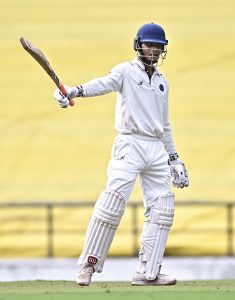
 Shikhar Mohan in India A squad for last two four-dayers against New Zealand A
  Belagavi police arrest two MES leaders.
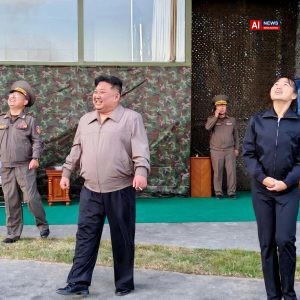
  Arms Race Intensifies in Korea as the North Is Emboldened by Russia Alliance
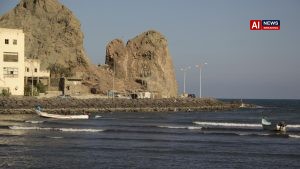
  Trying to establish ‘facts’ about incident ‘apparently’ involving Indians on yacht off Yemen coast: India
 Who is Pritesh Walia Indian Jazz artist detained and released by ICE after 14 days in custody
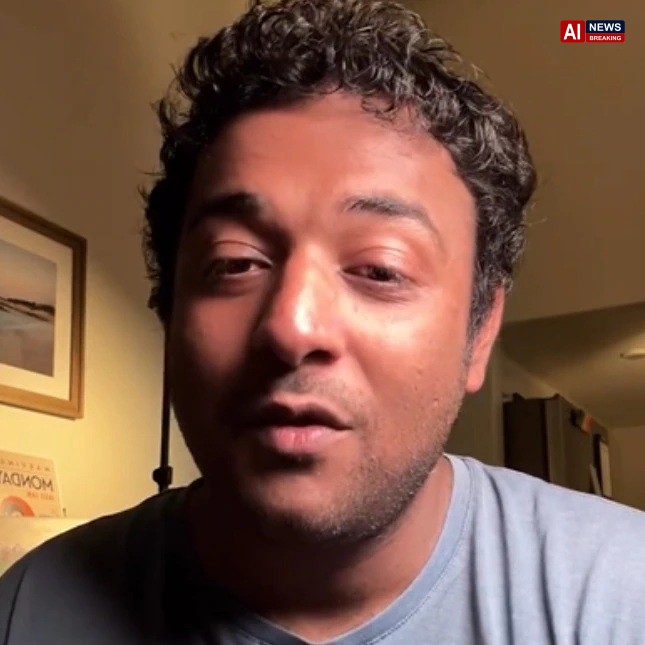
Pritesh Walia, a rising star in India’s contemporary jazz scene, found himself at the centre of an international attention when he was detained by U.S. Immigration and Customs Enforcement (ICE) in February last year. The 29‑year‑old saxophonist was arrested on allegations of violating immigration laws while travelling to California to perform at a music festival in San Luis Obispo..
His arrest, carried out at Los Angeles International Airport, sparked immediate concern among his fans and music community across both sides of the Pacific. ICE officials claimed that Walia had entered the United States without a valid work visa and was therefore ineligible to perform. The artist, however, held a temporary tourist visa and had secured a performance permit from the California Arts Council..
His legal team argued that the documentation was sufficient and that the detention was a case of administrative error rather than criminal activity. The arrest sent shockwaves through the global jazz community, as many saw it as an unjust targeting of an immigrant artist. Following the arrest, Walia was taken to the Adelanto ICE Processing Center, a 1,500‑bed facility located in the Mojave Desert..
The centre is known for its harsh conditions and long waiting periods for legal hearings. Walia’s family was informed only days later that he was in custody, and the media quickly began to cover the story. In an emergency call, his lawyer demanded a swift review of the case and immediate release, citing the absence of any criminal charges..
While at Adelanto, Walia reportedly endured the harsh desert heat and limited access to medical care. He was allowed to contact his family but had no access to his musical instruments, which he described as his “lifeline.” The situation drew criticism from civil rights organisations, who argued that detaining a musician on a visa‑related issue violated both U.S. law and international norms..
The American Civil Liberties Union released a statement urging ICE to release Walia, citing the “unreasonable duration of detention.” The first legal hearing was postponed multiple times, leaving Walia in limbo. Meanwhile, his followers on social media rallied for his release, creating a hashtag that trended worldwide. The hashtag, #FreePritesh, amassed millions of posts and drew the attention of several high‑profile musicians, including Grammy‑winning saxophonist Kamasi Washington..
Washington released a brief statement expressing solidarity with Walia and calling for a review of ICE’s detention policies. Finally, on March 8th, ICE announced that Walia had been released on bond after 14 days in custody. The bond amount was set at $25,000, a figure that many deemed excessive given Walia’s status as a non‑violent musician..
His legal team accepted the bond and arranged for his immediate transfer to a local court where he could address the immigration allegations. The announcement was followed by an Instagram post from Walia, where he expressed gratitude toward his supporters and highlighted the injustice of his detainment. Walia’s release marked a significant moment for the immigrant artist community, underscoring the precarious nature of performing abroad..
He was granted a temporary work visa upon release, enabling him to return to the United States to perform at the festival he had originally been scheduled to play. The event proceeded as planned, with Walia delivering a critically acclaimed set that was praised for its blend of traditional Indian ragas and modern jazz improvisation. In the months that followed, Walia used his experience as a platform to advocate for reforms in immigration enforcement..
He began a podcast series titled “Rhythms of Exile,” where he interviewed other artists who had faced similar challenges. The series highlighted systemic issues in the U.S. immigration system, particularly its impact on creative professionals..
Walia’s efforts received commendation from several NGOs that support immigrant rights, and he was invited to speak at a United Nations cultural forum on the role of art in bridging political divides. The incident also prompted a review of ICE’s procedures at the Adelanto Processing Center. In a statement released in June, the department acknowledged the “delays” and pledged to improve transparency..
The review, conducted by an independent audit panel, found that the detention of Walia had been an “isolated incident” but highlighted broader concerns about the length of pre‑trial detentions for non‑violent cases. The report recommended policy changes to reduce unnecessary detention. Despite the controversy, Walia continues to thrive as a musician..
His debut album, “Saffron Echoes,” was released in 2023 and has been lauded for its innovative fusion of Eastern and Western musical traditions. The album’s success has secured him a contract with a major international record label, and he is scheduled to tour Europe later this year. Walia has expressed that his ordeal has strengthened his resolve to use music as a vehicle for social change, and he plans to collaborate with other artists on projects that address immigration and cultural identity..
Looking ahead, Walia remains a prominent figure in the jazz world, celebrated not only for his musical talent but also for his resilience in the face of bureaucratic adversity. His experience has sparked ongoing discussions about the treatment of artists in the immigration system and highlighted the need for reforms that protect cultural exchange. As he prepares for his upcoming tour, Walia continues to inspire a new generation of musicians to pursue their art while standing up for their rights..
Updated: August 18, 2026
This development highlights evolving dynamics and may have broader implications in the near term.