 Pentagon directive bans troops from using nonpublic info to bet in prediction markets
  Plaintiffs in Trump arch project seek injunction to stop administration from beginning work Nov. 5
  Trump says he ‘heard something about’ Justice Department probe into longtime ally Corey Lewandowski
  Trump administration stopped sharing evidence in Good and Pretti killings, Minnesota officials say
 Russia-Ukraine War: Drone Strike on Kryvyi Rih Kills 16 as EU Threatens Toughest Sanctions Yet
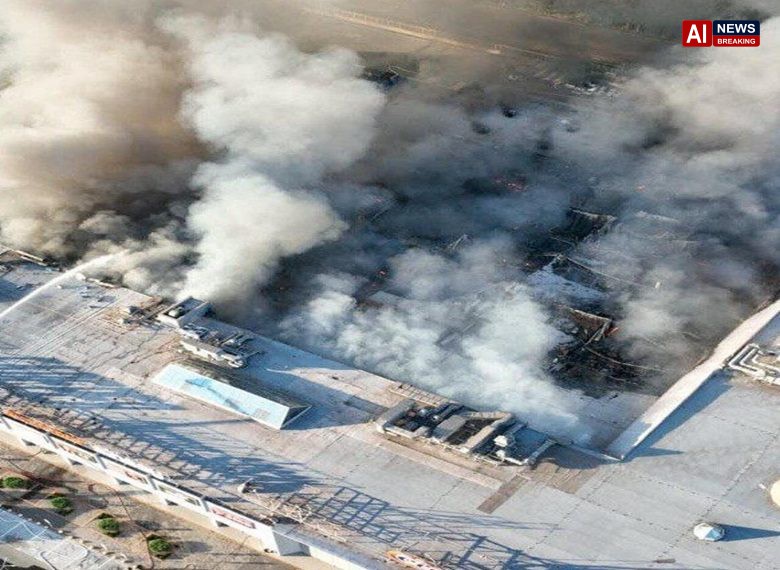
russiaukraine drone strike kryvyi:
A devastating drone strike on a bustling shopping centre in central Ukraine has left sixteen people dead and dozens more injured, intensifying international condemnation of Russia’s wartime conduct. The attack, which targeted the city of Kryvyi Rih, occurred during daylight hours when the business district was crowded with civilians going about their daily routines. Volodymyr Zelenskyy, the Ukrainian president, described the assault as cynical and despicable, highlighting the deliberate nature of the violence against non-combatant populations.
Highlights
- At least 16 people were killed in a drone strike on a shopping centre in Kryvyi Rih, with dozens reportedly injured.
- President Volodymyr Zelenskyy condemned the attack, highlighting the civilian toll and the city’s personal significance to him.
- EU foreign policy chief Kaja Kallas described the attack as “terror by design” and warned of major new sanctions.
- The proposed measures could target Russian financial networks, logistics operations and supply chains supporting the war effort.
- The attack is expected to intensify Western efforts to strengthen Ukraine’s air defences and military support while increasing economic pressure on Moscow.
The incident serves as a stark reminder of the ongoing humanitarian crisis that has persisted for years, despite fluctuating levels of global attention and military support.The specific targeting of Kryvyi Rih holds significant symbolic weight, as it is the birthplace of President Zelenskyy. This personal connection has heightened the emotional resonance of the tragedy for the Ukrainian leadership and the international community. Kaja Kallas, the High Representative of the Union for Foreign Affairs and Security Policy, characterized the attack as terror by design..
Her strong rhetoric underscores a shift in the European Union’s strategic posture, moving beyond mere outrage to concrete punitive measures. Kallas indicated that she is preparing the most far-reaching Russia sanctions listings since the start of the war, a statement that signals an escalation in diplomatic and economic pressure on Moscow.These proposed sanctions are expected to be discussed by EU foreign ministers during their upcoming summit in Ireland next month. The timing of this meeting is crucial, as it coincides with a period of renewed intensity in the conflict..
Kallas’s threat of harshest sanctions yet suggests that the EU is attempting to close loopholes that have allowed Russian entities to continue financing their war effort. The Union aims to target not only individual actors but also complex networks of logistics, technology transfer, and financial facilitation that have enabled the continuation of hostilities. This approach reflects a growing recognition that previous measures, while impactful, have not sufficiently curtailed Russia’s military capabilities.Eyewitnesses at the scene in Kryvyi Rih described a chaotic aftermath, with smoke billowing from the damaged structure and emergency services racing to assist the wounded.
Sanctions Could Target Russia’s War Economy
The proposed EU measures are expected to focus on the mechanisms supporting Russia’s military operations.
Potential targets could include:
- Financial institutions
- Logistics companies
- Technology suppliers
- Procurement networks
- Individuals involved in military supply chains
- Companies facilitating sanctions evasion
- Networks supplying components used in drones and missiles
The objective would be to make it more difficult for Russia to sustain the industrial and financial infrastructure supporting its military campaign.
The shopping centre, a hub of civilian activity, was reduced to rubble in moments, leaving families grieving amidst the debris. Reports from the ground indicate that several of the casualties were children, a detail that has further galvanized public opinion against the Kremlin. Local officials have expressed deep anger at the breach of civil protections, noting that such attacks undermine any remaining hope for a swift diplomatic resolution..
The physical destruction of the site symbolizes the broader erosion of safety for Ukrainian citizens in previously secure areas.Military analysts suggest that the use of drones for such strikes represents an evolution in Russian tactics, focusing on precision targeting of high-value or symbolic locations rather than indiscriminate bombardment. Kryvyi Rih, an industrial city in the Dnipropetrovsk region, has seen periodic shelling but rarely such a concentrated attack on a soft target. The choice of a commercial center over a military installation about the strategic intent behind the operation..
While Moscow denies targeting civilians, stating that its operations are focused on legitimate military objectives, the evidence on the ground paints a different picture. The discrepancy between official narratives and witnessed reality continues to fuel diplomatic tensions and media scrutiny.The response from Western allies has been swift and unified, reinforcing commitments to Ukrainian sovereignty. However, the scale of the disruption and the loss of life have prompted calls for more aggressive measures..
NATO allies, while not directly involved in combat, are increasing their support for air defense systems and long-range weaponry. This support is intended to mitigate the threat posed by drones and missiles, which have become the primary instruments of Russian offensive operations. The EU’s planned sanctions are part of a broader coalition strategy to isolate Russia economically and diplomatically, aiming to increase the cost of its aggression while bolstering Ukraine’s defensive capabilities.Kallas’s statement comes amid broader discussions regarding the sustainability of Western support for Ukraine..
As the conflict drags on, fatigue is visible in some parliamentary debates and public opinion polls across member states. Nevertheless, this attack has reinvigorated the sense of urgency among European leaders. The characterization of the strike as terror by design is not merely rhetorical; it is a legal and political framing that justifies severe repercussions..
By labeling the act as terrorism, the EU can impose stricter travel bans, asset freezes, and export controls on individuals and companies complicit in the violence. This legal categorization expands the scope of accountability beyond state actors to include private entities and individuals.The humanitarian impact of such attacks extends beyond the immediate casualties. Trauma, displacement, and the destruction of infrastructure create long-term societal challenges that will outlast the conflict itself..
In Kryvyi Rih, the loss of a central commercial hub disrupts local economies and community life, further destabilizing the region. Aid organizations are working to provide immediate medical care and psychological support, but resources are stretched thin by the continuous nature of the threat. The resilience of the civilian population is tested daily, yet the international community faces the moral imperative to protect these vulnerable groups from deliberate violence.Experts warn that without decisive action, similar attacks may continue, emboldening Russian command structures to expand their targets..
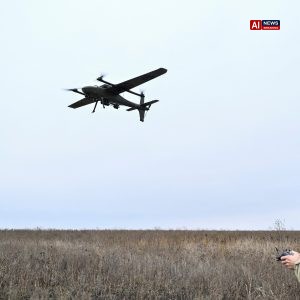
The proposed sanctions aim to disrupt the supply chains that provide drones, components, and operational support to Russian forces. This includes targeting banking institutions that process payments for illicit trade and logistics companies that facilitate the movement of military goods. The EU’s approach is becoming increasingly granular, focusing on the specific mechanisms that sustain the war machine..
By striking at these nodes of support, the Union hopes to degrade Russia’s ability to conduct such operations effectively.The upcoming meeting in Ireland will be critical in determining the final shape of these measures. Foreign ministers will debate the specific entities and individuals to be listed, ensuring that the sanctions are both effective and legally robust. There is also likely to be discussion regarding additional aid packages and military assistance to help Ukraine defend against future threats..
The alignment of political will with actionable policy is essential to maintaining pressure on Moscow. Any signs of divergence or hesitation could be interpreted as weakness, potentially encouraging further aggression.As the world watches the developments in Ireland and the aftermath in Kryvyi Rih, the focus remains on the human cost of the conflict. The sixteen lives lost in the shopping centre attack are a testament to the brutal reality faced by Ukrainians..
The EU’s response, led by Kallas, represents a significant escalation in the diplomatic battle. Whether these measures will achieve their desired effect of curbing Russian attacks or merely alter the tactics of warfare remains to be seen. What is certain is that the intensity of the conflict continues to rise, demanding ever more robust and coordinated responses from the international community to uphold the principles of international law and human rights..
The coming weeks will reveal whether political rhetoric can translate into tangible security for civilians facing existential threats..
Updated: August 22, 2026
Bottom Line
The deadly drone strike on a shopping centre in Kryvyi Rih, which reportedly killed 16 people, has intensified an already fierce confrontation between Ukraine and Russia.
The attack has prompted strong condemnation from Kyiv and European officials, with Kaja Kallas warning of some of the toughest sanctions yet against Russia.
The emerging EU strategy goes beyond punishing individual Russian officials. It aims to target the financial, technological and logistical networks that support Moscow’s military capabilities.
The strategic shift is significant: rather than responding only to the weapons being fired, Europe increasingly wants to target the systems that make those weapons possible.
Whether that approach can actually reduce Russia’s ability to sustain its drone campaign remains uncertain.
For the civilians of Kryvyi Rih, however, the immediate reality is much simpler: another commercial area has become a scene of death and destruction, underscoring the continuing human cost of the war.
Insight: By slashing the financial arteries that fund Russia’s drone arsenal, the EU moves from passive outrage to active economic strangulation.
This strategic shift targets the war’s logistics rather than just its frontline, making aggression far costlier for Moscow.