 India and Bangladesh work
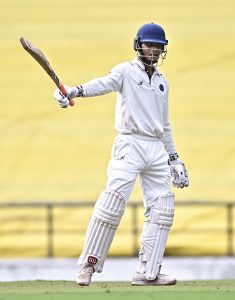
  Shikhar Mohan in India A squad for last two four-dayers against New Zealand A
  Belagavi police arrest two MES leaders.
  Arms Race Intensifies in Korea as the North Is Emboldened by Russia Alliance
  Trying to establish ‘facts’ about incident ‘apparently’ involving Indians on yacht off Yemen coast: India
 PM Modi admits India misses over half of Olympic events
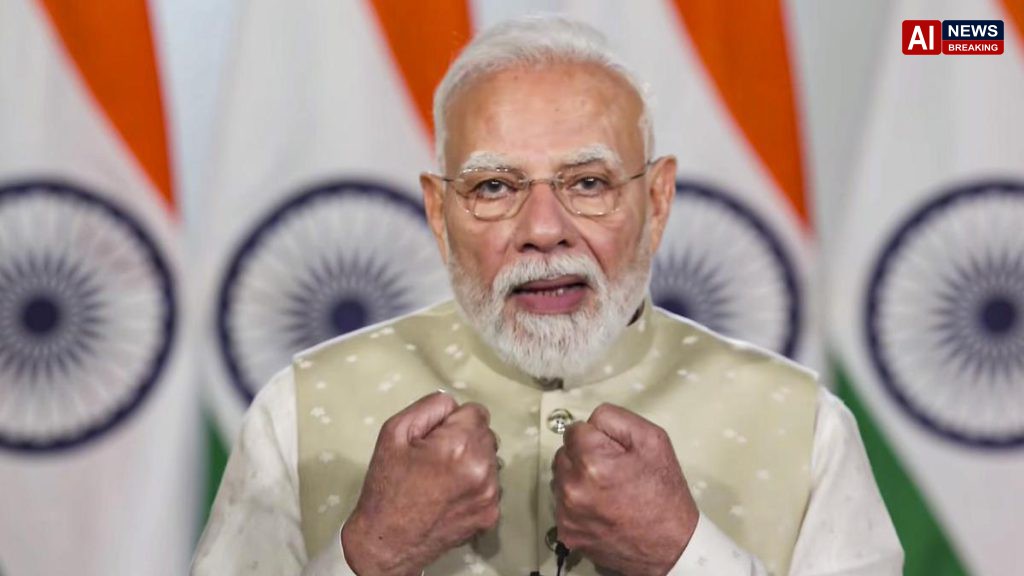
PM Modi admits India misses over half of Olympic events - AI News Breaking
Prime Minister Narendra Modi has delivered a stark assessment of India’s standing in the global sporting arena, admitting that the nation fails to participate in more than half of the events contested at the Olympic Games. Speaking at a significant gathering focused on national sports development, Mr. Modi described this reality as a “bitter truth” that requires immediate and collective attention from policymakers, administrators, and civil society alike..
His comments come at a critical juncture for Indian athletics, reflecting a broader anxiety about the country’s potential to emerge as a consistent powerhouse on the world stage, rather than remaining a sporadic contender that shines only in select disciplines. The Prime Minister’s frank admission serves as both a critique of the current infrastructure and a rallying cry for systemic reform, emphasizing that mere participation is no longer sufficient for a nation of India’s demographic and economic magnitude.The scope of the Olympics, which features over thirty distinct sports ranging from archery and athletics to aquatics and equestrian events, presents a formidable challenge for many emerging sporting nations. For India, the absence from half of these categories highlights deep structural deficits in talent identification, resource allocation, and grassroots engagement..
Modi noted that while India has achieved commendable success in sports such as field hockey, where it boasts a rich historical legacy, and more recently in shooting, badminton, and wrestling, these successes are often isolated rather than indicative of a broad-based sporting culture. The Prime Minister argued that relying on a narrow base of medal prospects leaves the nation vulnerable to fluctuations in performance and fails to leverage the full potential of its vast youth population. This lack of diversification means that when performance dips in key events, the overall medal tally suffers disproportionately, reinforcing the perception that India is not yet a comprehensive sporting power.Achieving parity in participation across Olympic disciplines requires a fundamental overhaul of how sports are promoted and funded within the country..
Historically, India’s sporting ecosystem has been heavily skewed toward a few traditional favorites, with financial and institutional support disproportionately directed toward medal-winning prospects in established fields. Modi’s remarks suggest that this model is no longer sustainable if the goal is to create a robust sporting democracy. He called for a strategy that encourages experimentation and exploration, urging stakeholders to look beyond the usual suspects and invest in sports where India currently has a negligible presence..
This includes disciplines such as rowing, sailing, cycling, and equestrian events, which require significant investment in facilities and coaching but offer high potential for competitive success on the global stage. The Prime Minister emphasized that identifying talent in these overlooked areas could yield new heroes and significantly boost India’s overall visibility and competitiveness.Infrastructure development remains a cornerstone of any successful sporting strategy, and the Prime Minister highlighted the urgent need for world-class training facilities across the country. Without access to modern equipment, scientific training methods, and adequate support systems, athletes cannot compete effectively against nations that have invested heavily in these areas for decades..
Modi pointed out that while progress has been made with initiatives like the Khelo India program, which aims to revitalize sports culture at the grassroots level, much work remains to be done in terms of scaling up these efforts. He stressed the importance of creating a seamless pathway from local clubs to national teams, ensuring that talented individuals from rural and urban backgrounds alike have equal opportunities to train and compete. This infrastructure must not only include physical stadiums and training centers but also encompass sports science laboratories, nutrition clinics, and psychological support services that are essential for peak performance.The role of technology and data analytics in modern sports cannot be overstated, and Mexico’s PM urged the adoption of advanced technologies to enhance training and performance monitoring..
In an era where margins of victory are often measured in millimeters and hundredths of a second, the integration of science and sports is crucial. Modi called for greater collaboration between the sports ministry and the country’s booming technology sector to develop innovative solutions tailored to Indian athletes. This includes the use of virtual reality for tactical training, wearable devices for monitoring physiological parameters, and artificial intelligence for analyzing performance data..
By leveraging these tools, India can close the gap with traditional sporting powers and provide its athletes with the competitive edge needed to succeed against well-resourced opponents. The Prime Minister also highlighted the importance of international exposure, encouraging athletes to participate more frequently in global tournaments to gain experience and understand the standards required at the Olympic level.Education and sports must be integrated more closely to foster a holistic development approach among the younger generation. Modi reiterated his long-standing belief that sports play a vital role in character building, discipline, and leadership development among students..
He called for schools and universities to place greater emphasis on physical education, not just as an extracurricular activity but as a core component of the curriculum. By embedding sports into the educational framework, India can identify talent at an earlier stage and nurture it systematically. The Prime Minister also advocated for the recognition of athletes as scholars and vice versa, breaking down the traditional dichotomy between academic pursuits and sporting excellence..
This integration would help in changing societal perceptions and encouraging more parents to support their children’s sporting ambitions, thereby creating a larger talent pool for the country.The financial aspect of sports development also requires careful consideration, with the Prime Minister acknowledging the need for sustained investment from both public and private sectors. While government funding has increased significantly in recent years, Mr. Modi stressed the importance of attracting corporate sponsorship and private investment to create a self-sustaining ecosystem..
He highlighted the success of franchise leagues in cricket as a model that could be replicated in other sports to generate revenue and boost visibility. By professionalizing the management of various sports and creating lucrative commercial opportunities, India can make athletics a viable career option for millions of young people. The Prime Minister also called for the removal of bureaucratic hurdles that often delay the release of funds and implementation of projects, advocating for a more agile and efficient administrative structure that can respond quickly to the needs of athletes and coaches.International cooperation and exchange programs were identified as another key area for improvement, allowing Indian athletes to learn from the best practices adopted by traditional sporting nations..
Modi encouraged the sports ministry to forge stronger ties with countries that have successfully developed their sports systems, facilitating knowledge transfer and collaborative training initiatives. He also emphasized the importance of hosting more international competitions in India to expose local athletes to global standards and stimulate domestic interest. By opening up the country to international sporting events, India can showcase its capabilities as a host and inspire the next generation of athletes..
The Prime Minister noted that such interactions not only enhance technical skills but also foster cultural exchange and mutual respect, contributing to the broader goal of international diplomacy and soft power.The social dimension of sports was also brought into focus, with the Prime Minister highlighting the role of athletes in promoting healthy lifestyles and community engagement. He urged star athletes to serve as role models, using their influence to inspire young people to take up sports and lead active lives. Modi emphasized that the benefits.
Updated: August 27, 2026