 Tamil Nadu CM orders Chennai flood‑prevention review.
  India and Bangladesh work
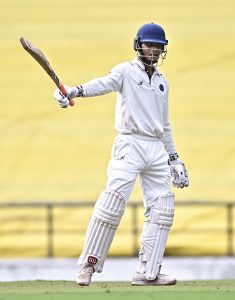
  Shikhar Mohan in India A squad for last two four-dayers against New Zealand A
  Belagavi police arrest two MES leaders.
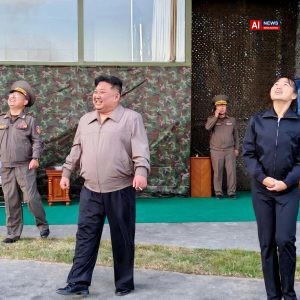
  Arms Race Intensifies in Korea as the North Is Emboldened by Russia Alliance
 Delhi-NCR: Rain, BRICS VVIP rehearsals trigger traffic snarls from Lutyens’ Delhi to Gurugram: Check advisory
**
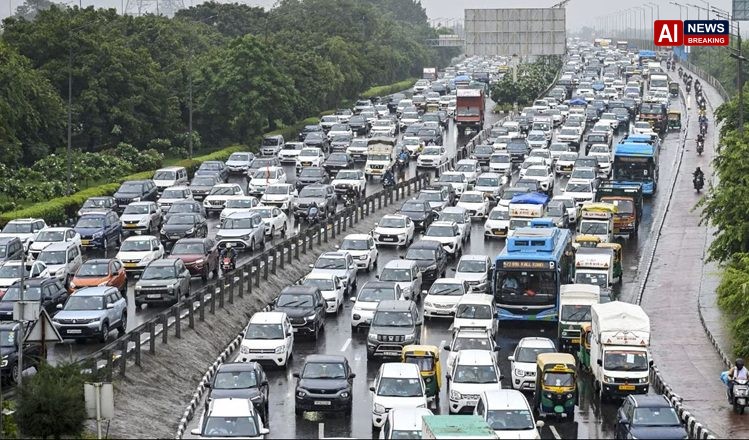
Delhi-NCR: Rain, BRICS VVIP rehearsals trigger traffic snarls from Lutyens’ Delhi to Gurugram: Check advisory - AI News Breaking
delhincr rain brics vvip:
Commuters across the National Capital Region faced a perfect storm of logistical nightmares this past weekend, as unseasonal heavy rainfall coincided with the extensive security preparations for the upcoming BRICS Summit. The combination of waterlogged streets, disrupted transit networks, and the stringent implementation of virtual and physical cordons created gridlock that stretched from the historic precincts of Lutyens’ Delhi to the sprawling commercial hubs of Gurugram. Authorities had warned residents days in advance about potential disruptions, but the severity of the rain, which arrived with little notice, intensified the impact of the security measures, leaving thousands stranded during peak evening hours.The meteorological department had predicted moderate to heavy rainfall over the weekend, a scenario that many hoped would not align with the high-profile diplomatic gathering scheduled for later in the week..
However, the clouds opened up on Saturday afternoon, dumping significant amounts of water in a short span. This sudden deluge overwhelmed the already strained drainage systems in various parts of the capital, turning major arteries into rivers of stagnant water. Key intersections in Chanakyapuri, Kasturba Gandhi Marg, and Netaji Subhash Place saw traffic come to a near standstill, not only due to the weather but also because of the enhanced police presence required for the rehearsals of VVIP movements.The security apparatus for the BRICS Summit has been tightened to unprecedented levels, with the Delhi Police and the Ministry of Home Affairs coordinating closely to ensure the safety of world leaders expected to arrive..
Rehearsals for the motorcade routes, which often involve the closure of major roads in central Delhi, were conducted simultaneously with the rain-induced chaos. The synchronization of these two disruptive factors meant that alternative routes, typically used when primary roads are closed for security, were themselves clogged by rain-slowed traffic and vehicles seeking shelter from the storm. This created a ripple effect that pushed congestion well beyond the immediate security cordon, impacting adjacent localities.In Gurugram, the situation was equally dire, with the southern stretches of the city experiencing severe traffic jams..
The Maham Sarovar Road and the Medanta stretch, which serve as critical links between Delhi and the National Capital Region, saw vehicles crawling at less than five kilometers per hour. The rain had caused minor landslides and debris in certain underpasses, further narrowing the available road space. Security checkpoints, already established to filter traffic for the summit-related activities, became bottlenecks as officers had to inspect vehicles more thoroughly due to the poor visibility and slick road conditions..
Commuters reported spending over two hours to cover distances that usually take forty minutes.Metro services, often hailed as the most reliable mode of transport in the congested capital, also faced intermittent disruptions. Several stations reported water ingress, leading to temporary halts in train services on specific sections of the lines. While the Delhi Metro Rail Corporation acted swiftly to pump out water and restore operations, the delay contributed to a surge in footfall on the roads as displaced passengers sought alternative travel options..
Bus services were similarly affected, with many routes being suspended or diverted due to flooding in low-lying areas. This forced a greater number of individuals into private vehicles, exacerbating the traffic snarls that were already forming around security cordons.Local residents described the experience as a test of patience and resilience. Many who had planned to travel for weekend errands found themselves trapped inside their vehicles for hours, unable to move forward or backward..
Social media platforms were flooded with videos showing cars inching through knee-deep water and long queues forming at security gates. The frustration was palpable, with many commuters criticizing the lack of timely communication regarding route diversions. Although traffic alerts were issued on radio channels and through digital apps, the rapid onset of the rain and the dynamic nature of the security cordon adjustments made it difficult for drivers to adapt in real-time.The Delhi Police command began addressing the growing public outcry by deploying additional personnel to manage the traffic flow and provide assistance to stranded motorists..
Helpline numbers were activated to receive complaints and direct traffic control units to critical junctions. Authorities emphasized that the security measures were non-negotiable and essential for the safety of the dignitaries, urging citizens to extend their cooperation. Despite the challenges, police spokespersons maintained that the rehearsals were proceeding as per schedule, ensuring that all potential risks were identified and mitigated before the arrival of the heads of state.Transport ministry officials also stepped in to reassure the public that efforts were being made to minimize the inconvenience..
Coordination between the Delhi Traffic Police, Metro Rail Corporation, and the Uttar Pradesh and Haryana transport departments was intensified to manage the overflow of traffic. Live updates were shared through official social media handles, advising commuters to avoid unnecessary travel and use digital maps to find alternative routes. However, the sheer volume of vehicles on the road, combined with the adverse weather conditions, made complete decongestion a near-impossible task during the peak evening rush.Experts in urban planning and traffic management have pointed out that such events highlight the vulnerabilities of the region’s infrastructure when faced with compounding stressors..
The convergence of extreme weather events and large-scale security operations exposes the fragility of current traffic management systems. While the security protocols for international summits are robust and necessary, the integration of these measures with real-time weather response mechanisms remains a challenge. The incident in Delhi-NCR serves as a case study for future large-scale events, suggesting a need for better predictive modeling and more flexible traffic control strategies that can adapt to sudden environmental changes.Looking ahead, commuters are being advised to exercise caution and plan their journeys well in advance for the remainder of the week..
As the BRICS Summit approaches, security cordons are expected to expand, and the possibility of further rain cannot be ruled out. Authorities have promised to keep the public informed through regular updates, but the trust deficit created by the weekend’s chaos may take time to repair. The city now waits with bated breath, hoping that the coming days will offer slightly more favorable conditions, allowing the capital to host the global leaders without subjecting its residents to further duress..
The balance between high-level security and daily civic life remains a delicate tightrope, and the coming days will test the city’s ability to walk it..
Updated: September 5, 2026
Heavy rain and tight security cordons for BRICS summit rehearsals crippled Delhi‑NCR’s roads, metro and bus services, leaving thousands stranded for hours. Officials blame the rare weather‑security overlap and promise tighter coordination ahead of the summit.