
 Tamil Nadu CM orders Chennai flood‑prevention review.
  India and Bangladesh work
  Shikhar Mohan in India A squad for last two four-dayers against New Zealand A
  Belagavi police arrest two MES leaders.
  Arms Race Intensifies in Korea as the North Is Emboldened by Russia Alliance
 IIT Mandi probes ‘Shudras serve higher classes’ poster; director blames some students’ interpretation
**
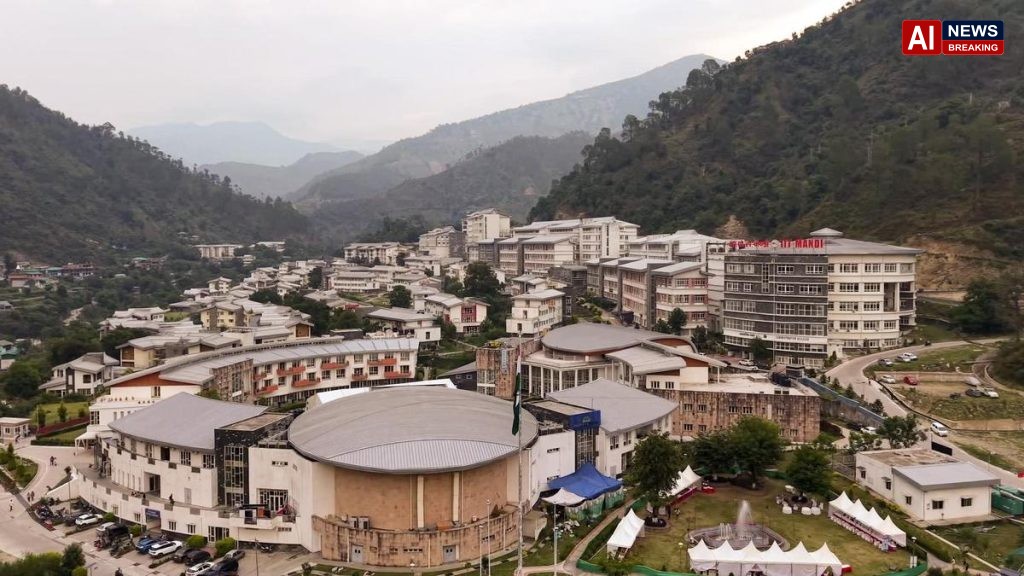
IIT Mandi probes ‘Shudras serve higher classes’ poster; director blames some students’ interpretation - AI News Breaking
mandi probes shudras serve:
The Indian Institute of Technology Mandi has initiated a formal probe into a controversial poster that surfaced recently on its campus, sparking intense debate and谴责 from students, faculty, and alumni alike. The image, which circulated widely on social media platforms before being removed, depicted a hierarchical structure where individuals identified as Shudras were shown serving those from higher castes. This visual representation not only challenged the core values of equality and meritocracy that define the institution but also ignited a broader conversation about caste discrimination within India’s premier educational establishments..
The incident has forced the institute’s administration to address long-standing concerns regarding social inclusion and the subconscious biases that may still permeate academic environments.In the aftermath of the discovery, the institute’s director, Laxmidhar Behera, issued a stern email to the entire campus community, unequivocally condemning any form of caste-based discrimination. “The institute strongly condemns any form of caste-based discrimination,” Director Behera stated in the communication, emphasizing the zero-tolerance policy the institute maintains against such discriminatory practices. He urged the community to remain vigilant and cooperative, calling for a united front to “stand together against such biases/discrimination in any form.” The director’s statement was designed to reassure the student body and staff that the administration is committed to fostering an environment free from prejudice, while also signaling that a rigorous investigation is underway to identify those responsible for the poster’s creation and dissemination.Despite the strong stance taken by the leadership, the director also faced criticism for his initial attempts to contextualize the incident..
In some communications, he suggested that the controversy might stem from a misinterpretation by certain students, implying that the poster might not have carried the malicious intent attributed to it by critics. This approach has been met with skepticism by many quarters, who argue that the imagery itself is inherently discriminatory regardless of the creator’s intent. Critics point out that the explicit depiction of caste-based servitude cannot be dismissed as mere misinterpretation, as it reinforces harmful stereotypes and societal hierarchies that have plagued Indian society for centuries..
The debate over intent versus impact has become a central theme in the ongoing discourse surrounding the incident.The poster in question gained traction after students on campus reported seeing it displayed in a common area. Although the image was quickly taken down, screenshots had already spread across social media, drawing attention from national media outlets and human rights organizations. The visual content showed a stark division of labor based on caste lines, with members of the Shudra community depicted in subservient roles, while those from upper castes were shown in positions of authority..
This regressive imagery stands in to the progressive ideals that IIT Mandi, as an elite engineering institution, is expected to uphold. The rapid circulation of the image highlighted the power of digital platforms in amplifying controversies and holding institutions accountable for their internal cultures.Students across the institute have expressed outrage at the incident, with many describing the poster as a shocking reminder of the deep-seated caste prejudices that continue to exist in modern India. Student representatives have held meetings to discuss the matter, demanding a transparent and thorough investigation into the origins of the poster..
They have also called for stricter measures to prevent such incidents in the future, including mandatory sensitivity training and the establishment of robust grievance redressal mechanisms. The student body’s reaction underscores the growing awareness and activism among younger generations regarding social justice issues, particularly in educational spaces that are supposed to be meritocratic and inclusive.Faculty members have also weighed in on the controversy, with many expressing their dismay at the lack of sensitivity and respect for diversity displayed in the poster. Several professors have issued statements supporting the students’ demands for justice and accountability, emphasizing the importance of maintaining a campus culture that respects all individuals regardless of their caste or background..
Some academics have also pointed out that such incidents can have a detrimental impact on the mental well-being and academic performance of students from marginalized communities, who may feel alienated or unsafe in such an environment. The faculty’s response reflects a broader commitment to safeguarding the inclusive ethos of the institute.The incident at IIT Mandi is not an isolated event but rather part of a larger pattern of caste-based discrimination reported in various Indian educational institutions in recent years. Previous controversies at other IITs and IIMs have highlighted the challenges these institutions face in eradicating caste biases from their campuses..
These incidents often include verbal abuse, social exclusion, and derogatory remarks targeting students from lower castes. The recurrence of such events suggests that despite significant progress in affirmative action policies and legal bans on caste discrimination, societal attitudes change slowly, and institutional mechanisms need constant reinforcement to ensure genuine inclusivity.In response to the growing pressure, the institute has constituted an inquiry committee to investigate the matter thoroughly. The committee is tasked with identifying the individuals responsible for creating and displaying the poster, as well as assessing the extent of caste-based discrimination on campus..
The findings of the inquiry will likely lead to disciplinary actions against those found guilty, as well as recommendations for systemic changes to prevent similar incidents in the future. The institute has assured the community that the investigation will be conducted fairly and impartially, with due respect for the rights of all parties involved.Legal experts and human rights activists have closely monitored the situation, urging the institute to take decisive action to address the root causes of caste discrimination. They argue that mere condemnation and disciplinary measures are insufficient if the underlying cultural and structural issues are not addressed..
Activists have called for comprehensive policy reforms, including the integration of caste sensitivity modules into the curriculum and the establishment of independent oversight bodies to monitor campus climate. They emphasize that true equality can only be achieved through sustained efforts to challenge and dismantle caste hierarchies within institutional frameworks.The incident has also sparked a broader national conversation about the role of premium educational institutions in shaping societal values. As gatekeepers of opportunity and excellence, IITs are expected to lead by example in promoting diversity and inclusion..
However, the recurrence of caste-based incidents about the effectiveness of current measures and the need for a more proactive approach to combating discrimination. The response from IIT Mandi will serve as a test case for other institutions facing similar challenges, setting a precedent for how such matters should be handled in the future.As the investigation proceeds, the campus remains tense, with students, faculty, and staff awaiting definitive outcomes. The institute’s ability to address this crisis transparently and effectively will determine its reputation as a leader in promoting social justice..
The incident serves as a stark reminder that the fight against caste discrimination is ongoing and requires constant vigilance, courage, and collective effort. For IIT Mandi, the path forward involves not just punishing those responsible but also rebuilding trust within the community and reaffirming its commitment to a caste-neutral and inclusive educational environment.Ultimately, the resolution of this controversy will depend on the institute’s willingness to confront uncomfortable truths about caste bias and implement meaningful reforms..
Updated: September 6, 2026
The IIT‑Mandi scandal forces elite institutes to confront that meritocratic branding alone cannot mask entrenched caste hierarchies, demanding a shift from reactive punishments to proactive cultural engineering. How these campuses translate condemnations into sustained policy will become the litmus test for India’s broader ambition to embed social equity within its premier knowledge hubs.