Europe Revives Nuclear Power Amid Energy Crisis, Seeking Low-Carbon Solution
The European Union is re-examining the role of nuclear power as a viable solution to its growing energy crisis, driven by rising global conflict and soaring gas and fuel prices. As the continent struggles to achieve energy independence and self-sufficiency, leaders are turning to nuclear energy as a reliable and low-carbon alternative to fossil fuels. The European Union has set ambitious targets to reduce greenhouse gas emissions and mitigate climate change, and nuclear power is seen as a key component in achieving these goals.
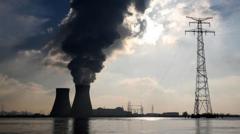
Nuclear energy currently accounts for approximately 25% of Europe’s electricity generation, with countries like France, the United Kingdom, and Sweden relying heavily on this source of energy. France, in particular, is a notable example, with nuclear power providing over 72% of the country’s electricity needs. The French nuclear industry has a strong track record of efficiency and safety, with some of the best safety records in the world.
The European Union is considering a more pragmatic approach to its nuclear strategy, one that would encourage the development of new nuclear capacities. This could involve innovative small modular reactor designs and advanced reactor technologies, which would enhance energy security and reduce dependence on imported fuels. Such a move would ultimately benefit European economies and citizens, providing a more stable and reliable energy supply.
As the European Commission works to meet the EU’s ambitious climate and energy objectives, it is expected to play a crucial role in guiding the continent’s energy policy. Governments across Europe are seeking solutions to address the unfolding energy crisis, and the prospect of reviving nuclear power is gaining traction. However, nuclear energy experts emphasize that this should not come at the expense of prioritizing renewable energy sources, which will continue to play a vital role in the transition to a low-carbon economy.
By adopting a balanced approach that integrates multiple energy sources, Europe can build a more resilient and diversified energy system. This would enable the continent to meet future energy demands while minimizing the risk of fuel price shocks. The debate over nuclear energy’s role in Europe’s energy mix is complex and far-reaching, but one thing is clear: the continent’s ability to provide a stable, reliable, and clean energy supply will have far-reaching consequences for households, businesses, and the environment.
The European Commission’s guidance on energy policy will be closely watched in the coming months, as the EU seeks to navigate the challenges of the energy crisis. With the right approach, Europe can harness the potential of nuclear power to create a more sustainable and secure energy future. This, in turn, would help to reduce the continent’s reliance on imported fuels and mitigate the impact of volatile market fluctuations.
As European leaders continue to explore the role of nuclear power in the continent’s energy mix, they must balance the need for energy security with the imperative of reducing greenhouse gas emissions. By doing so, they can create a more resilient and sustainable energy system, one that will benefit both the environment and the economy. The coming months will be critical in shaping the future of Europe’s energy policy, and the decision to revive nuclear power will be a key factor in determining the continent’s energy security and sustainability.
This article may be prepared with the assistance of artificial intelligence (AI) and is reviewed before publication. While we aim for accuracy and timeliness, readers should verify important facts from official or primary sources. If you believe any information is inaccurate or that any content infringes your rights, please contact ainewsbreaking.com for review and appropriate action.