FPV Drones Enter Iran–US–Israel War: Everything About the Low-Cost ‘Kamikaze’ Weapons Changing Modern Warfare
The ongoing conflict involving Iran, the United States, and Israel is witnessing a major technological shift on the battlefield. Alongside missiles, cyber warfare, and naval clashes, First-Person View (FPV) drones—cheap, small, and highly lethal—are emerging as one of the most influential weapons in the war.
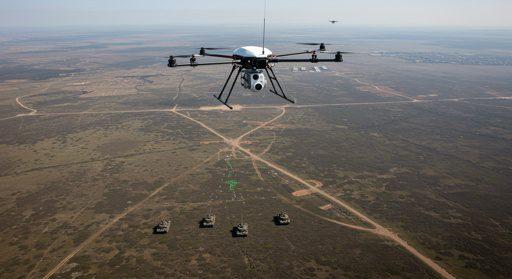
Originally designed for hobbyists and drone racing enthusiasts, FPV drones are now being modified into “kamikaze drones” or loitering munitions, capable of crashing into targets with explosives attached. These drones are increasingly used for precision strikes, reconnaissance, and swarm attacks that can overwhelm traditional air defense systems.
In the Iran–US–Israel conflict, the entry of FPV drones marks a turning point in how wars are fought. Militaries are realizing that a weapon costing a few hundred or thousand dollars can threaten equipment worth millions, creating a massive strategic imbalance on the battlefield.
Below is a detailed look at FPV drones, how they work, why they are so dangerous, and how they are reshaping the current war.
What Are FPV Drones?
FPV (First-Person View) drones are small unmanned aerial vehicles that transmit live video from an onboard camera directly to a pilot wearing VR-style goggles or watching a screen.
This setup allows the operator to fly the drone as if they are inside it, providing extremely precise control and maneuverability.
In military use, these drones are typically modified by attaching an explosive payload such as grenades or shaped charges. The operator then guides the drone directly into the target, causing it to explode on impact—hence the term “kamikaze drone.”
Key characteristics include:
- Real-time video feed for precise targeting
- Manual remote control by an operator
- Small size and low radar signature
- One-way attack mission (drone is destroyed on impact)
These drones essentially combine surveillance capabilities with the destructive power of a missile.
Why FPV Drones Are So Dangerous
1. Extremely Cheap Compared to Missiles
One of the biggest advantages of FPV drones is their low cost.
- Some combat FPV drones cost less than $500 to produce.
- Larger kamikaze drones like the Iranian Shahed-136 cost roughly $20,000 to $50,000.
By comparison:
- Intercepting them with a Patriot missile can cost around $4 million.
This creates a massive economic imbalance: defenders must spend far more money to stop a very cheap weapon.
Military analysts sometimes describe this situation as “using a bazooka to kill a fly.”
2. Precision Targeting
FPV drones provide a real-time view of the battlefield to the operator.
This allows them to:
- Strike specific parts of a tank or vehicle
- Enter windows or bunkers
- Hit radar systems or artillery positions
Electro-optical cameras and infrared sensors can help the drone lock onto high-value targets with precision.
This accuracy makes them especially dangerous against:
- Tanks and armored vehicles
- Command centers
- Air defense systems
- Infrastructure like fuel depots or power stations
3. Hard to Detect and Stop
Traditional air defense systems were designed to intercept:
- Fighter jets
- Cruise missiles
- Large drones
But tiny FPV drones are much harder to detect.
Their advantages include:
- Small radar signature
- Low flight altitude
- High maneuverability
- Quiet electric motors
By the time radar detects them, it may already be too late to intercept.
4. Swarm Attack Capability
One of the most worrying tactics in modern drone warfare is the swarm attack.
Instead of launching one drone, attackers can launch dozens or even hundreds simultaneously.
Benefits of drone swarms:
- Overwhelm air defenses
- Force defenders to waste expensive missiles
- Increase chances that some drones hit targets
Analysts say this tactic is becoming central to the Iran war strategy.
How FPV Drones Are Used in the Iran–US–Israel War
The current conflict has seen extensive use of low-cost drones alongside traditional weapons.
Iranian Strategy
Iran has heavily invested in drones like the Shahed-136, a one-way attack drone carrying a 40–50 kg explosive warhead.
These drones can:
- Travel long distances
- Strike military bases
- Target infrastructure
Reports also suggest Iranian forces are deploying newer and faster drones to penetrate advanced defenses.
US and Israeli Response
The United States and Israel are developing their own low-cost drones and counter-drone systems.
For example:
- The Low-cost Uncrewed Combat Attack System (LUCAS) is an American kamikaze drone designed for mass production.
- It was created as a response to the widespread use of Iranian-style loitering munitions.
Western militaries are also experimenting with interceptor drones, which are designed to destroy enemy drones mid-air.
Lessons From the Ukraine War
The rise of FPV drones in the Middle East conflict is largely influenced by the Russia-Ukraine war, which demonstrated how powerful cheap drones can be.
In Ukraine:
- Thousands of FPV drones are used daily
- They destroy tanks, artillery, and trenches
- Some cost less than $500 but can destroy million-dollar vehicles
Ukraine has even developed interceptor drones specifically designed to shoot down kamikaze drones in mid-flight.
Military planners in the Iran war are now applying these lessons.
Types of Kamikaze Drones Used in Modern Warfare
There are several categories of kamikaze drones.
1. FPV Attack Drones
Small quadcopters controlled in real time by pilots.
Uses:
- Tank attacks
- Urban warfare
- Precision strikes
Cost: $500–$2,000.
2. Loitering Munitions
These drones fly over a target area and wait for the right moment to strike.
Example:
- Shahed-136
Cost: $20,000–$50,000.
3. Long-Range Strike Drones
Larger drones capable of traveling hundreds of kilometers.
Example:
- LUCAS drone used by the US.
These function almost like cruise missiles but much cheaper.
Why Modern Wars Are Shifting Toward Drones
Experts say drone warfare represents the biggest military transformation since precision missiles.
Major reasons include:
1. Cost Efficiency
Drones are far cheaper than missiles or aircraft.
2. Reduced Risk to Soldiers
Operators can launch attacks from miles away.
3. Rapid Production
Thousands can be produced quickly.
4. Adaptability
Commercial drones can be modified for combat within days.
Because of these advantages, analysts believe drones will dominate future battlefields.
Counter-Drone Technologies Emerging
With drone warfare rising, countries are developing new defenses.
These include:
1. Electronic Warfare
Jamming drone signals or GPS systems.
2. Laser Weapons
Destroy drones with directed energy.
3. Interceptor Drones
Drones that hunt other drones.
4. AI-Driven Air Defense
Artificial intelligence systems detecting small aerial threats.
However, defending against large numbers of cheap drones remains extremely difficult.
Strategic Implications for the Middle East
The use of FPV drones in the Iran–US–Israel war could reshape regional security in several ways.
1. Smaller Groups Gain Power
Even non-state actors can build cheap drones.
2. Infrastructure Becomes Vulnerable
Oil refineries, ports, and power plants are easy drone targets.
3. Air Superiority May Matter Less
Drones reduce the advantage of expensive fighter jets.
4. Conflicts May Become More Asymmetric
Weaker militaries can challenge stronger ones using inexpensive technology.
Global Spread of Drone Warfare
The success of kamikaze drones is encouraging many countries to invest in similar technology.
Countries developing or deploying these drones include:
- Iran
- United States
- Russia
- Ukraine
- Israel
- China
- Turkey
- India
In fact, India is also accelerating the development of indigenous loitering drones to keep pace with global military trends.
The Future of War: Drone vs Drone
Experts believe the next phase of warfare could involve autonomous drone battles.
Possible future developments include:
- AI-controlled drone swarms
- Fully autonomous attack drones
- Drone-to-drone dogfights
- Underwater and naval drone swarms
The current Iran war may be remembered as the moment when cheap autonomous weapons truly transformed modern warfare.
This article may be prepared with the assistance of artificial intelligence (AI) and is reviewed before publication. While we aim for accuracy and timeliness, readers should verify important facts from official or primary sources. If you believe any information is inaccurate or that any content infringes your rights, please contact ainewsbreaking.com for review and appropriate action.