Europe warns of Russia’s hybrid attacks but struggles to counter them
  Former chief election commissioner calls SIR scheme illegal.
  A Corruption Scandal Is Reshaping Brazil’s Presidential Election
  US citizen injured in Illinois after ICE agents mistook him for fugitive, tried to arrest him
  At 10 years old, Smithsonian’s Black museum is undaunted amid pressure from Trump administration
 Paris Reimagines its Streets: How a Bike-Friendly Revolution Transformed the French Capital
** Paris, the City of Light, has undergone a remarkable transformation, shedding its car-centric image to become a more bike-friendly and people-centric city. With the implementation of bike lanes and a focus on sustainable transportation, Paris has seen a notable decrease in traffic, improved air quality, and increased community engagement. However, challenges remain, and the city’s new mayor will face a delicate balance between cyclist, driver, and pedestrian needs.
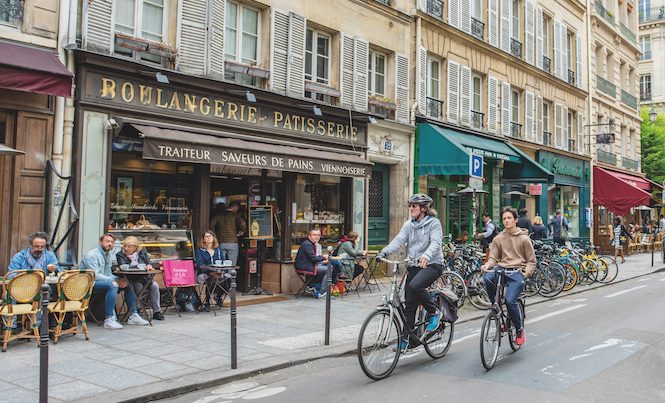
paris reimagines streets bikefriendly:
Paris, the City of Light, has undergone a remarkable transformation in recent years, shedding its car-centric image in favor of a more bike-friendly and people-centric approach. The results are undeniable: reduced traffic, reclaimed public space, and a growing sense of community. But the path to this transformation was not without its challenges.
Under the leadership of outgoing Mayor Anne Hidalgo, the City of Paris has made significant strides in promoting cycling as a mode of transportation. One of the key initiatives was the creation of bike lanes, which have not only improved road safety for cyclists but also reduced congestion on the city’s streets. According to officials, the city has seen a notable decrease in traffic since the implementation of bike lanes.
Corentin Roudaut, a Paris resident and avid cyclist, has witnessed the transformation firsthand. Roudaut moved to the city 10 years ago, but was initially deterred from cycling due to the lack of separate bike lanes and the dominance of cars on the roads. However, with the addition of a segregated bike lane on Boulevard Voltaire in his neighborhood, Roudaut was able to rediscover the joys of cycling and now volunteers with Paris en Selle, a cycling campaign group.
The impact of the bike-friendly infrastructure goes beyond just individual residents like Roudaut. Paris has seen a significant increase in cycling rates, with an estimated 6% of trips now made by bike. Additionally, the city’s air quality has improved, and businesses have benefited from the increased foot traffic and exposure.
However, the process of implementing bike-friendly infrastructure was not without its obstacles. Local residents and business owners initially expressed concerns about the impact on parking and traffic flow. Some even mounted opposition to the bike lanes, citing the loss of green space and the increased congestion that could result from the diversion of traffic to surrounding streets.
While the city has made strides in promoting cycling, there is still more work to be done. Mayor Hidalgo’s successor will inherit a city on the cusp of a new era of sustainable transportation, but will also face challenges in balancing the needs of cyclists, drivers, and pedestrians. As Paris continues to reimagine its streets, one thing is clear: the city’s residents have already begun to reap the benefits of a more bike-friendly and inclusive urban environment.