Gangnam Slum Residents Face Uncertain Future Amid Redevelopment Plans
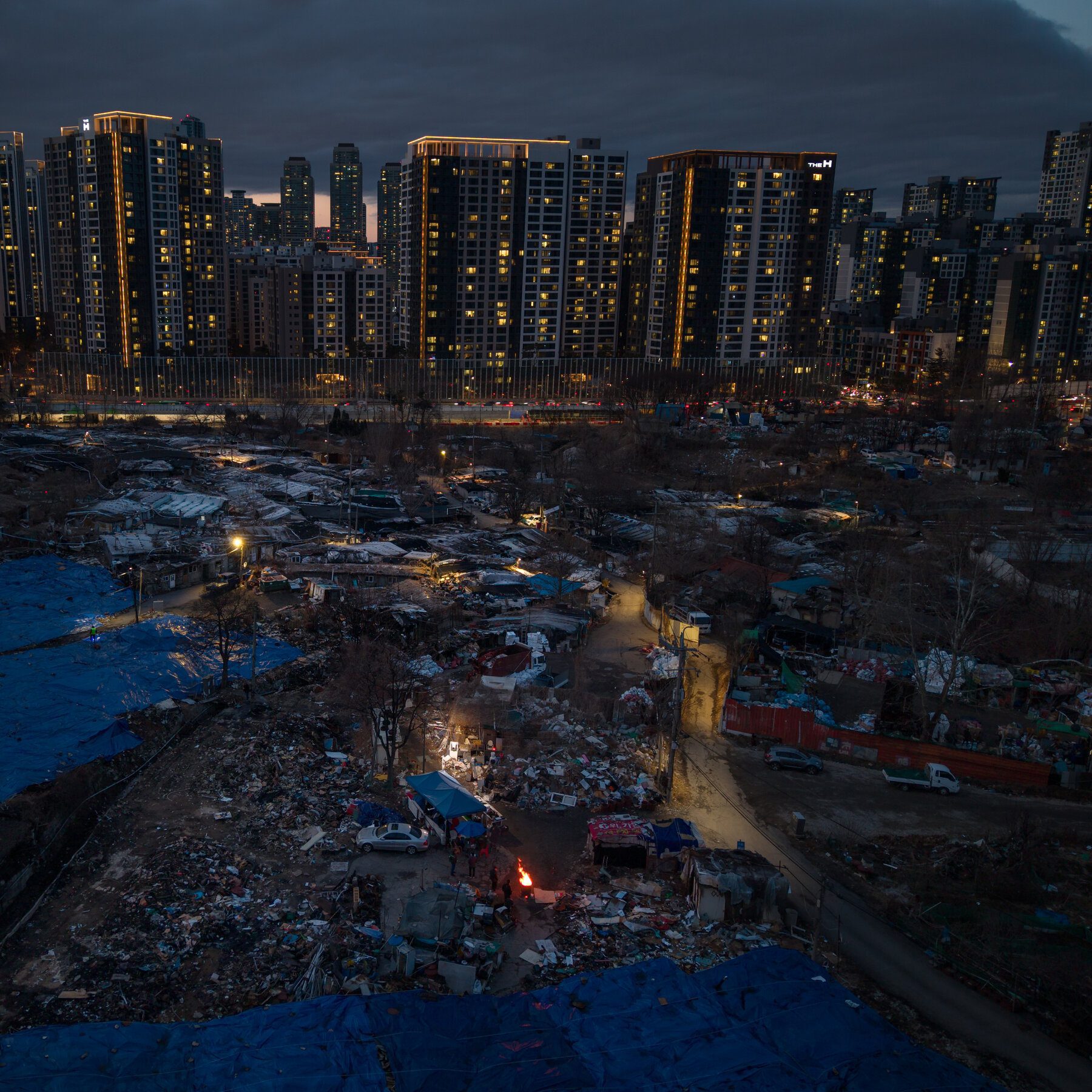
Gangnam, the upscale neighborhood in Seoul known for its luxury shopping and affluent residents, is on the verge of a major transformation. A shantytown in the heart of the district, home to hundreds of families, is set to be redeveloped, sparking concerns about the future of its residents. The city of Seoul has plans to redevelop the area into a more upscale neighborhood, but the timing and implications for the existing residents remain uncertain.
The shantytown in Gangnam is an anomaly in a district famous for its expensive housing market. However, for hundreds of people, this community has become a place of refuge, providing cheap and accessible living arrangements. Despite its informal nature, the community has developed a sense of solidarity, with residents banding together to resist eviction and fight for the right to own a home in an area notorious for its costly housing.
Efforts to redevelop the area have been ongoing, with local authorities and developers eager to revamp the site into a more desirable neighborhood. While these plans may bring about new amenities and services, they also raise concerns about the displacement and relocation of existing residents. As the development plans progress, the residents of the shantytown are faced with an uncertain future, wondering whether they will be able to remain in their homes or be forced to relocate.
The tension between the redevelopers and the residents is growing, with both sides vying for control over the area’s future. As Seoul continues to experience rapid urbanization and gentrification, the fate of the Gangnam slum serves as a poignant reminder of the city’s ongoing struggle to balance economic development with social welfare.
Seoul’s urban planning policies have long been criticized for favoring luxury developments over affordable housing. As the city’s wealth gap widens, so too does the divide between affluent residents and those struggling to make ends meet. The Gangnam shantytown case highlights the need for sustainable and inclusive urban planning strategies that prioritize the needs and rights of existing residents.
For those living in the shantytown, the redeveloper’s plans represent a double-edged sword. While they may bring about the promise of modern amenities and a safer living environment, they also threaten to displace a community that has become home to hundreds of families. As Seoul’s developers and policymakers push forward with their vision for the city’s future, the residents of the Gangnam shantytown are
This article may be prepared with the assistance of artificial intelligence (AI) and is reviewed before publication. While we aim for accuracy and timeliness, readers should verify important facts from official or primary sources. If you believe any information is inaccurate or that any content infringes your rights, please contact ainewsbreaking.com for review and appropriate action.