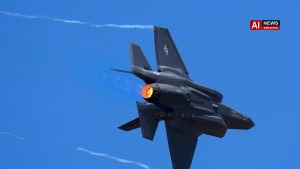
Europe warns of Russia’s hybrid attacks but struggles to counter them
  Former chief election commissioner calls SIR scheme illegal.
  A Corruption Scandal Is Reshaping Brazil’s Presidential Election
  US citizen injured in Illinois after ICE agents mistook him for fugitive, tried to arrest him
  At 10 years old, Smithsonian’s Black museum is undaunted amid pressure from Trump administration
 “Escalating Conflict Threatens Regional and Global Stability: Houthi Attacks on Israel and Iran Escalation Concerns”
As the Houthi conflict in the Middle East escalates, regional powers and international leaders scramble to respond to the crisis. The latest Houthi attack on Israel poses a dire threat to global trade and energy supplies, with the entry of the Houthis into the conflict also bringing renewed tensions between Saudi Arabia and Yemen to the fore.
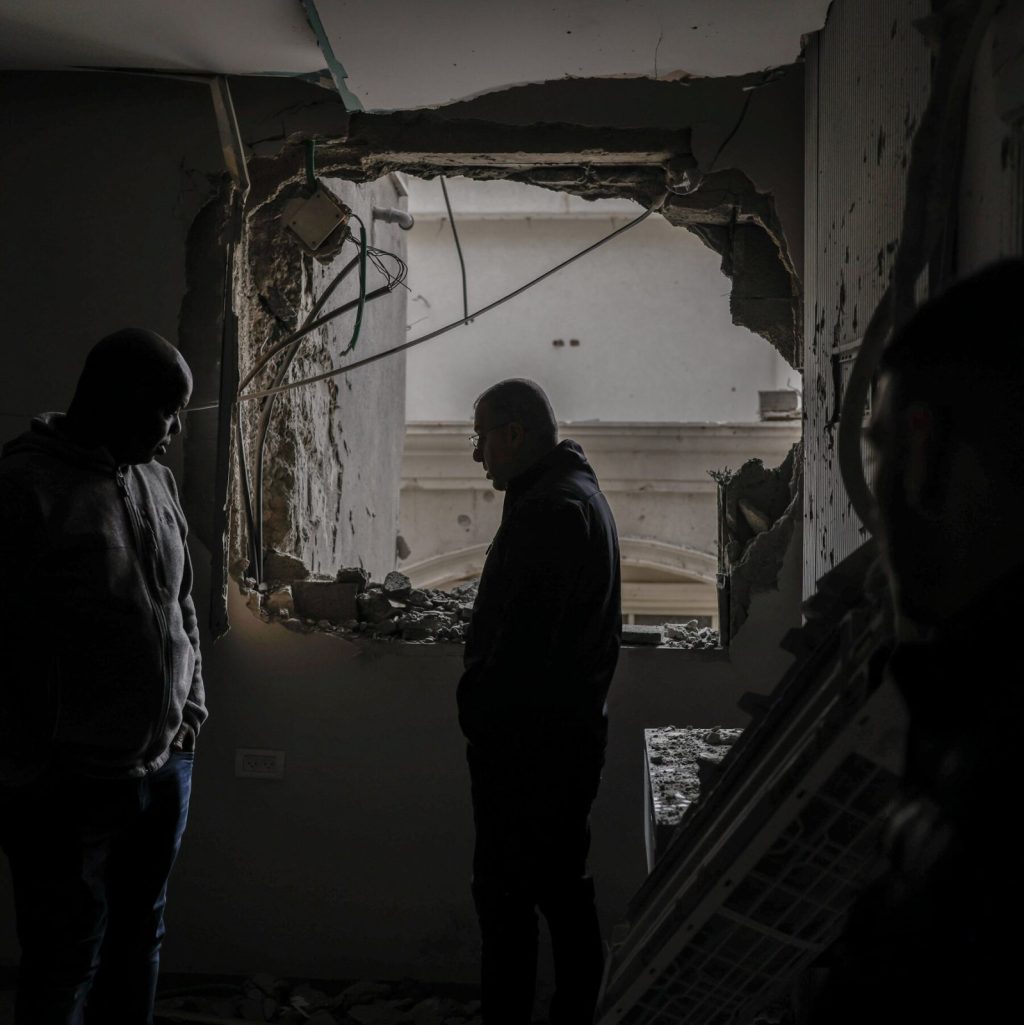
As tensions in the Middle East reach a fever pitch, a wave of explosions shook Tehran, and Yemen’s Iran-backed Houthis confirmed their second attack on Israel since joining the conflict on Saturday. The development marks a significant escalation of the war, posing a dire threat not only to regional security but also to global trade and energy supplies.
In a televised address, Houthi military spokesperson Yahya Saree revealed that the group launched a “barrage of cruise missiles and drones” in their second attack on Israel, targeting key military sites. The Houthis have vowed to continue these military operations in the coming days until Israel ceases its attacks and aggression. This stance raises the stakes for regional powers and the international community, with global trade and energy supplies hanging in the balance.
The entry of the Houthis into the conflict poses a direct threat to the Bab al-Mandab strait, a crucial choke point for energy supplies and other trade in and out of the Middle East. The strait’s vulnerability could amplify the already severe impact of the war on the global economy, potentially reigniting a Saudi-Yemen conflict. Iran’s near-total closure of the Strait of Hormuz has already sent shockwaves through global energy markets, and a shutdown of the Bab al-Mandab would exacerbate the crisis.
The Pentagon is reportedly preparing plans for weeks of ground operations in Iran, potentially targeting Kharg Island and coastal sites near the Strait of Hormuz. However, any deployment remains pending approval from President Donald Trump. According to the Washington Post, these plans would stop short of a full-scale invasion, instead involving raids by special operations forces and conventional infantry troops.
The escalating conflict has far-reaching implications, with global trade and energy supplies hanging in the balance. As the situation continues to unfold, the international community remains on high alert, with regional powers and international leaders scrambling to respond to the crisis.
The entry of the Houthis into the conflict has also brought the prospect of renewed tensions between Saudi Arabia and Yemen to the fore. Any escalation on this front could have devastating consequences for the region and the global economy.
Reza Pahlavi, the exiled Iranian Crown Prince, has also weighed in on the crisis, stating that he is ready to lead a new Iranian government. However, these comments are not directly related to the current escalation of the conflict.