India Seeks Alternative Fertilizer Sources Amid West Asia Conflict, Reaches Out to Russia and Jordan
In a bid to ensure energy security and mitigate the risks posed by the ongoing conflict in West Asia, India has begun exploring alternative sources for fertilizer imports. The country has condemned recent attacks on energy infrastructure in the region, citing concerns over the potential disruption to liquefied natural gas and fertilizer supplies. As part of its efforts to diversify sourcing, India has reached out to Russia and Jordan, among other countries, to secure a stable supply of fertilizers.
The move comes at a time when the conflict in West Asia has raised concerns over the stability of the region’s energy infrastructure. The attacks on energy facilities have sparked fears of a potential shortage of liquefied natural gas and fertilizers, which are critical to India’s agricultural sector. By seeking alternative sources, India aims to reduce its dependence on the region and ensure a steady supply of these essential commodities.
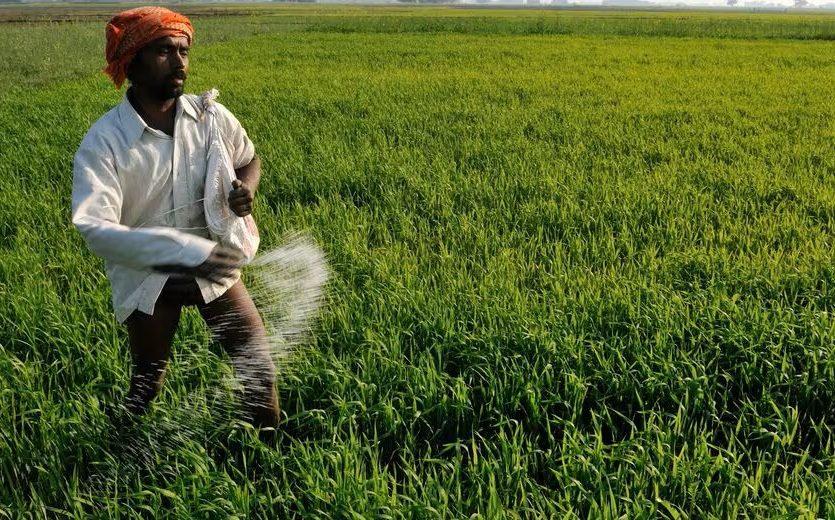
India’s decision to tap into alternative fertilizer sources is also driven by the need to maintain food security. The country is one of the world’s largest consumers of fertilizers, and any disruption to supplies could have significant implications for its agricultural production. By diversifying its sourcing, India hopes to mitigate these risks and ensure that its farmers have access to the necessary inputs to maintain crop yields.
The outreach to Russia and Jordan is part of a broader effort by India to engage with multiple countries and secure a stable supply of fertilizers. The country is also exploring other options, including domestic production, to reduce its dependence on imports. As the situation in West Asia continues to unfold, India’s efforts to diversify its fertilizer sourcing are likely to be closely watched, given the potential implications for global food security.
The conflict in West Asia has highlighted the need for countries to diversify their energy sources and reduce their dependence on any one region. India’s move to explore alternative fertilizer sources is a testament to this trend, as countries seek to mitigate the risks associated with geopolitical uncertainty. As the global landscape continues to evolve, India’s efforts to ensure energy security are likely to be seen as a model for other countries facing similar challenges.
The Indian government has not provided details on the specific arrangements being explored with Russia and Jordan, but officials have indicated that the talks are ongoing. The country’s fertilizer imports are a critical component of its agricultural sector, and any disruption to supplies could have significant economic and social implications. As India continues to navigate the complexities of the global fertilizer market, its efforts to secure a stable supply of this essential commodity will be closely watched by policymakers, farmers, and consumers alike.
In the coming weeks and months, India’s progress in securing alternative fertilizer sources will be closely monitored, as the country seeks to maintain its food security and reduce its dependence on any one region. The outcome of these efforts will have significant implications not only for India but also for the global fertilizer market, as countries around the world seek to navigate the challenges posed by geopolitical uncertainty and energy insecurity.
This article may be prepared with the assistance of artificial intelligence (AI) and is reviewed before publication. While we aim for accuracy and timeliness, readers should verify important facts from official or primary sources. If you believe any information is inaccurate or that any content infringes your rights, please contact ainewsbreaking.com for review and appropriate action.