India’s Defence Budget Under Scrutiny Amid Geopolitical Shifts and Rising Security Challenges
India’s defence budget is once again at the centre of intense debate as evolving geopolitical dynamics, regional tensions, and global security realignments compel policymakers to reassess military spending priorities. With increasing pressure from border disputes, technological warfare, and strategic competition in the Indo-Pacific, experts and analysts are questioning whether India’s current defence allocation is sufficient to meet emerging threats.
Rising Geopolitical Tensions Put Defence Spending in Focus
India’s strategic environment has grown increasingly complex in recent years. Persistent tensions with China along the Line of Actual Control (LAC) and ongoing security concerns with Pakistan continue to shape defence priorities. At the same time, global shifts—such as the Ukraine war and heightened Indo-Pacific competition—are redefining security frameworks worldwide.
These developments have intensified scrutiny of India’s defence preparedness and whether budgetary allocations are aligned with modern warfare requirements.
India’s Defence Budget: The Current Picture
India allocated approximately ₹6.2 lakh crore (around $75 billion) for defence in the latest Union Budget, making it one of the largest military spenders globally. However, a closer look reveals structural challenges:
- A significant portion of the budget is consumed by salaries, pensions, and operational costs
- Capital expenditure for modernization remains constrained
- Rising costs of advanced weapon systems strain fiscal planning
While India ranks among the top military spenders globally, its defence budget as a percentage of GDP has remained relatively stable—or even declined slightly—raising concerns among defence experts.
Modern Warfare Demands More Investment
The nature of warfare is rapidly evolving. Traditional military strength is no longer sufficient as nations increasingly invest in advanced technologies such as:
- Artificial intelligence and autonomous weapons
- Cybersecurity and cyber warfare
- Space-based surveillance systems
- Drone and anti-drone technologies
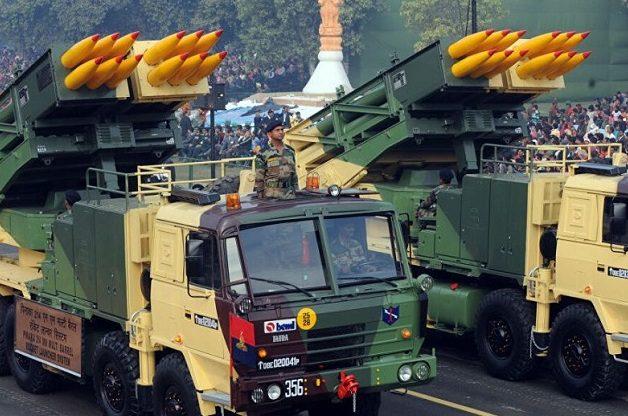
India’s armed forces are in the process of modernization, but analysts argue that budgetary constraints may slow progress.
For instance, strengthening capabilities in areas like cyber defence and space warfare is becoming crucial, especially with competitors rapidly advancing in these domains.
Border Infrastructure and Preparedness
One of the key areas under scrutiny is infrastructure development along India’s borders, particularly near the LAC. Enhanced logistics, better roads, and improved surveillance systems are critical for rapid troop deployment and operational readiness.
Recent standoffs have underscored the need for sustained investment in border infrastructure, especially in high-altitude regions where logistical challenges remain significant.
Push for Self-Reliance in Defence Production
A major pillar of India’s defence strategy is the push for indigenization under initiatives like Make in India and Atmanirbhar Bharat.
The government has taken steps to:
- Increase domestic production of defence equipment
- Reduce dependence on imports
- Encourage private sector participation
- Promote defence exports
While progress has been made, challenges persist, including technology gaps, delays in procurement, and limited research and development capabilities.
Balancing Welfare and Modernization
A major concern is the growing share of the defence budget allocated to pensions and salaries. This leaves limited room for capital expenditure needed for modernization.
Experts suggest reforms such as:
- Rationalizing manpower costs
- Increasing efficiency in procurement processes
- Enhancing jointness among armed forces
The introduction of schemes like Agnipath aims to address some of these issues, but its long-term impact is still under evaluation.
Global Comparison: Where India Stands
When compared to other major powers:
- The United States spends significantly more, focusing heavily on technological superiority
- China continues to increase its defence budget at a rapid pace
- European nations are also boosting military spending amid security concerns
India, while among the top spenders, faces the challenge of achieving more with limited resources.
Strategic Importance of the Indo-Pacific
The Indo-Pacific region has emerged as a key strategic theatre. India’s role in ensuring stability and security in this region has grown, particularly through partnerships like the Quad (with the US, Japan, and Australia).
Securing maritime interests, safeguarding trade routes, and countering regional threats require sustained investment in naval capabilities and surveillance systems.
Expert Opinions and Policy Debate
Defence analysts and policymakers remain divided:
Arguments for Increasing Defence Budget
- Rising security threats demand stronger military capabilities
- Technological advancements require significant investment
- Regional competition necessitates preparedness
Arguments for Fiscal Prudence
- Economic constraints limit the scope for higher spending
- Need to balance defence with social and developmental priorities
- Efficiency and reforms can optimize existing resources
The Road Ahead
India faces a critical balancing act—strengthening defence capabilities while maintaining fiscal discipline.
Key Areas to Watch:
- Increased allocation for modernization
- Expansion of domestic defence manufacturing
- Greater focus on emerging technologies
- Policy reforms to improve efficiency
The coming years will be crucial in determining how India adapts its defence strategy to meet evolving challenges.
This article may be prepared with the assistance of artificial intelligence (AI) and is reviewed before publication. While we aim for accuracy and timeliness, readers should verify important facts from official or primary sources. If you believe any information is inaccurate or that any content infringes your rights, please contact ainewsbreaking.com for review and appropriate action.