
 Syrian weapons depot explosion kills 14 in Idlib
  Video Shows Grocery Store Manager Saving Toddler From Oncoming Traffic
  Congress alleges ₹10,000 crore tax evasion through unregistered political parties, seeks JPC
  Defense argues Clancy’s actions stemmed from postpartum psychosis.
 Iran Considers Closing the Strait of Hormuz Permanently.
** Iran is considering closing the Strait of Hormuz permanently, a move that could have far-reaching consequences for global economic stability and the country’s own diplomatic credibility, as tensions between Tehran and Washington remain high amidst ongoing US-led sanctions and military threats.
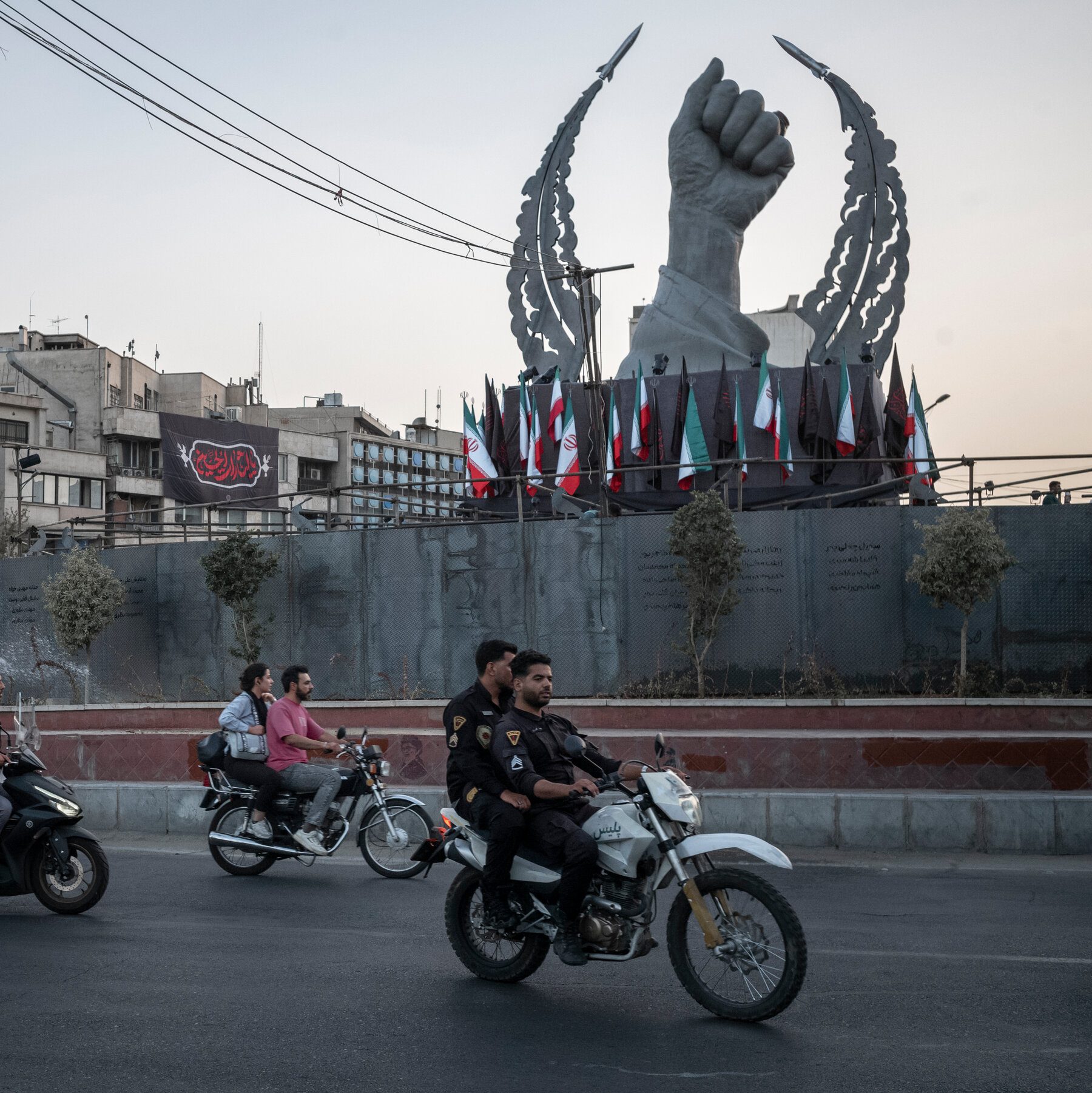
iran considers closing strait:
Can Iran Keep Its Edge Tensions have been simmering in the Middle East for years, with Iran consistently pushing its boundaries in response to the US-led sanctions and military threats. One of the most significant tools in Iran’s toolbox has been its ability to control the Strait of Hormuz, the world’s most critical oil shipping lane. Closing the Strait of Hormuz was a huge source of leverage during the war with the US, but playing the same card over and over is risky..
Experts warn that repeating this tactic may damage Iran’s diplomatic credibility and further isolate the country from the international community. Iran has long claimed sovereignty over the strait, which connects the Persian Gulf to the Gulf of Oman, and has repeatedly threatened to block it in response to threats from the US and other Western nations. The strait is a critical chokepoint for global oil supplies, with approximately 20% of the world’s oil passing through it..
In 2020, Tehran’s naval forces threatened to block the strait in response to a US aircraft carrier deployment to the region. The US responded by deploying more warships and military personnel to the area, raising tensions and increasing fears of a military confrontation between the two nations. Despite these tensions, Iran has not yet taken the decision to close the strait completely..
Instead, it has been using a range of tactics to disrupt shipping and raise costs for importers and exporters. These tactics have included firing missiles at oil tankers and arresting crew members. These moves have been met with concern from the international community, with many arguing that they undermine global economic stability and create uncertainty for businesses and investors..
The threat of blockading the strait has also been seen as a form of oil blackmail, which could backfire and harm Iran’s image globally. While Iran may see closing the Strait of Hormuz as a powerful bargaining chip, its strategy has raised questions in Tehran about its international implications. Many fear that repeating this tactic may undermine Iran’s relationship with its key trading partners and further weaken its economy..
In 2022, Iran’s economy was already under significant strain due to high inflation, a severe economic downturn, and ongoing US sanctions. By escalating tensions in the region, Iran may inadvertently exacerbate its economic woes and lose the trust of its international partners. As tensions continue to simmer in the region, many are wondering whether Iran will decide to close the Strait of Hormuz permanently..
While this would give Iran significant leverage in its negotiations with the US, it could also have far-reaching consequences for global economic stability and the country’s own diplomatic credibility. According to US estimates, Iran earns between $1 billion and $2 billion annually by collecting transit fees from oil tankers passing through the strait. By blocking the strait, Tehran would likely lose these revenue streams and potentially destabilize its economy further..
The US and other Western nations may view a permanent closure of the strait as a threat to global security and a destabilizing move that undermines regional stability. As a result, they may respond with military force to keep the strait open and protect shipping lanes. In recent years, the US has shown a willingness to use military force to protect its interests in the region, with airstrikes in Syria and Iraq..
In the event of a potential closure of the Strait of Hormuz, Washington may need to consider more drastic measures, including sending troops and naval vessels to protect the strait. While Iran has not yet shown a clear willingness to close the Strait of Hormuz permanently, tensions between Tehran and Washington remain high. The situation is complex, and there are many potential triggers that could lead to a full-blown conflict..
In the face of ongoing tensions, diplomats are working hard to find a resolution to the crisis. While a US-Iran conflict is still a possibility, a lasting resolution may ultimately depend on whether Iran can find a path forward that balances its need to protect its interests with the international community’s need for stability and security in the region. A US-Iran conflict has the potential to destabilize the entire region, drawing in neighboring countries and exacerbating existing rivalries..
Iran’s decision to close the Strait of Hormuz would likely spark a global crisis that affects markets, trade, and lives..
Updated: July 5, 2026
Insight: Iran’s reliance on controlling the Strait of Hormuz as a bargaining chip may ultimately be a double-edged sword, as it risks isolating the country from the international community and undermining its own economic stability. By exhausting this tactic, Iran may inadvertently create an opportunity for other regional players to fill the power vacuum and challenge its influence.