Israel Pushes Hezbollah North of Litani in Lebanon, but Security Risks Persist
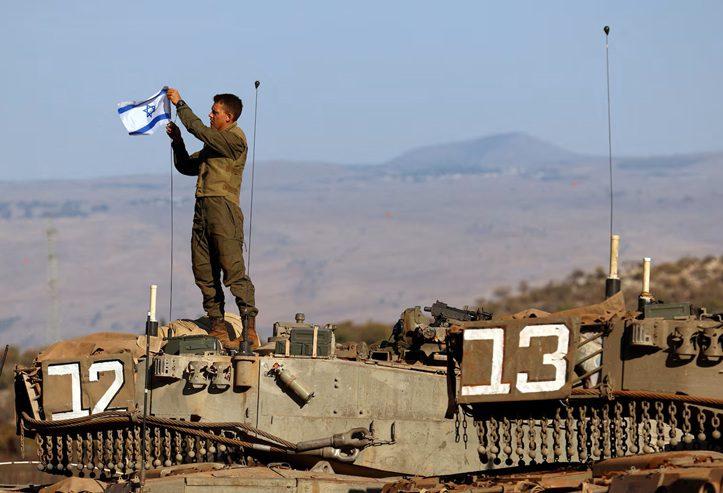
Israel’s military campaign in Lebanon is increasingly focused on pushing Hezbollah farther away from the Israeli border, especially north of the Litani River, in what officials present as an effort to buy time and create a wider security buffer. But while the strategy may reduce immediate pressure on northern Israel, recent developments suggest it is not delivering a lasting security solution. Reuters reports that Israeli strikes have expanded from Hezbollah positions to key infrastructure, including bridges over the Litani River, with Israel arguing that these routes are used to move fighters and weapons into southern Lebanon.
The Litani River has become central to Israel’s Lebanon strategy because it marks a natural line north of much of the border region. By targeting crossings and infrastructure around it, Israel appears to be trying to make it harder for Hezbollah to move men, rockets and supplies back toward the south. Israeli Defence Minister Israel Katz said the bridge strikes were also meant as a message to the Lebanese government that Israel would not allow Hezbollah to use state infrastructure for military purposes.
However, pushing Hezbollah northward does not amount to eliminating the threat. Reuters has reported that Hezbollah has already redeployed elite fighters back into southern Lebanon to confront Israeli forces, showing that the group retains the ability to adapt and continue operating despite heavy Israeli pressure. This undercuts the idea that territorial displacement alone can neutralise Hezbollah’s military capability.
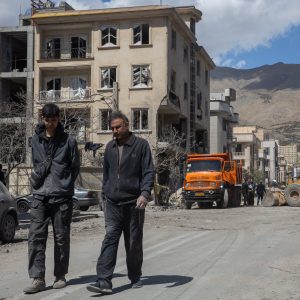
The wider battlefield also points to the limits of Israel’s approach. In recent days, Israeli airstrikes have intensified across Beirut and southern Lebanon, while Hezbollah attacks have continued as part of the broader regional escalation that followed March 2. Reuters says the conflict has already killed hundreds in Lebanon and displaced roughly 800,000 to more than 1 million people, depending on the reporting date, underscoring how the campaign is creating a severe humanitarian crisis even as its long-term strategic outcome remains uncertain.
International pressure is also growing against any deeper Israeli ground operation. Canada, France, Germany, the UK and Italy warned this week against a major Israeli ground offensive in Lebanon, saying it could trigger devastating humanitarian consequences and prolong the conflict. That response highlights a growing international concern that military gains on the ground may come at a cost far beyond any short-term tactical advantage.
At the diplomatic level, there are signs that a negotiated pathway is still being explored. Reuters reported that Israel and Lebanon were expected to hold direct talks in the coming days, with the goal of ending hostilities and addressing the issue of Hezbollah’s disarmament. Even that, however, points to the core problem: lasting security is unlikely to come from airstrikes and territorial pressure alone unless it is matched by a political arrangement that changes conditions on the ground.
That is why the current strategy looks more like a delaying tactic than a durable fix. Pushing Hezbollah farther north may reduce the immediacy of cross-border threats and buy Israel operational breathing room. But as long as Hezbollah retains fighters, weapons networks and the ability to regroup, the danger to Israel’s north is only being managed, not removed. The latest Reuters reporting suggests that Israel may be gaining time in Lebanon, but not yet the lasting security it says it wants.
This article may be prepared with the assistance of artificial intelligence (AI) and is reviewed before publication. While we aim for accuracy and timeliness, readers should verify important facts from official or primary sources. If you believe any information is inaccurate or that any content infringes your rights, please contact ainewsbreaking.com for review and appropriate action.