Europe warns of Russia’s hybrid attacks but struggles to counter them
  Former chief election commissioner calls SIR scheme illegal.
  A Corruption Scandal Is Reshaping Brazil’s Presidential Election
  US citizen injured in Illinois after ICE agents mistook him for fugitive, tried to arrest him
  At 10 years old, Smithsonian’s Black museum is undaunted amid pressure from Trump administration
 Pakistan Rejects US Nuclear Threat Claim, Invokes India After Tulsi Gabbard’s Remark
Pakistan has denied US claims of being a major nuclear threat, instead pointing to India’s military posture as a greater concern for regional stability, in a response to US Director of National Intelligence Tulsi Gabbard’s remarks in the 2026 Annual Threat Assessment.
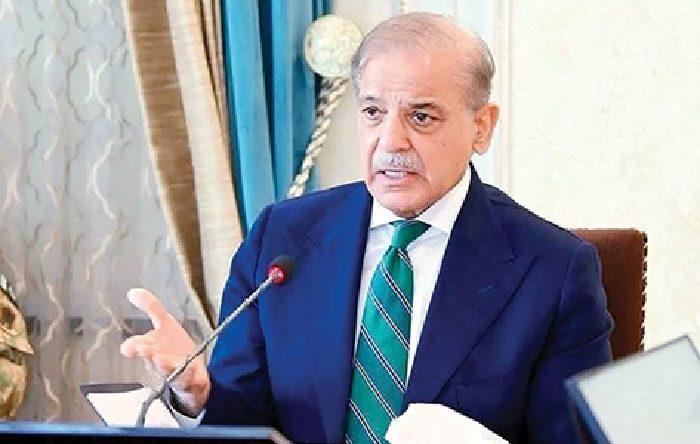
pakistan rejects nuclear threat:
Pakistan has pushed back against comments by US Director of National Intelligence Tulsi Gabbard, who listed Pakistan among the countries posing major nuclear and missile-related threats to the United States in the 2026 Annual Threat Assessment. Coverage of the reaction says Islamabad rejected the US claim and argued that its strategic capabilities are defensive, while also shifting attention toward India’s military posture.
According to reports published on March 20, 2026, Pakistan’s foreign ministry said its missile and nuclear capabilities are meant to safeguard sovereignty and preserve stability in South Asia. In its response, Pakistan also argued that the more worrying issue is India’s conduct, saying New Delhi’s capabilities and posture are of greater concern for regional stability.
The controversy began after Gabbard, in US congressional testimony tied to the Annual Threat Assessment, said countries including Pakistan and China are developing missile delivery systems that could put the US homeland at risk. Other reports on the hearing said she named Pakistan among the most significant nuclear threats facing the United States.
India has also reacted separately. Indian reporting says New Delhi pointed to Pakistan’s long record on clandestine nuclear proliferation and described that history as a matter of global concern, effectively turning the spotlight back on Islamabad rather than accepting Pakistan’s attempt to drag India into the exchange.
This exchange matters because it broadens what began as a US intelligence warning into a wider regional argument involving Washington, Islamabad and New Delhi. At the core of the dispute are not only present-day missile capabilities, but also older concerns about proliferation, deterrence and strategic stability in South Asia.