Europe warns of Russia’s hybrid attacks but struggles to counter them
  Former chief election commissioner calls SIR scheme illegal.
  A Corruption Scandal Is Reshaping Brazil’s Presidential Election
  US citizen injured in Illinois after ICE agents mistook him for fugitive, tried to arrest him
  At 10 years old, Smithsonian’s Black museum is undaunted amid pressure from Trump administration
 Lebanon’s Forgotten Victims: 250,000 Flee South as US-Pushed Ceasefire Sparks Uncertainty
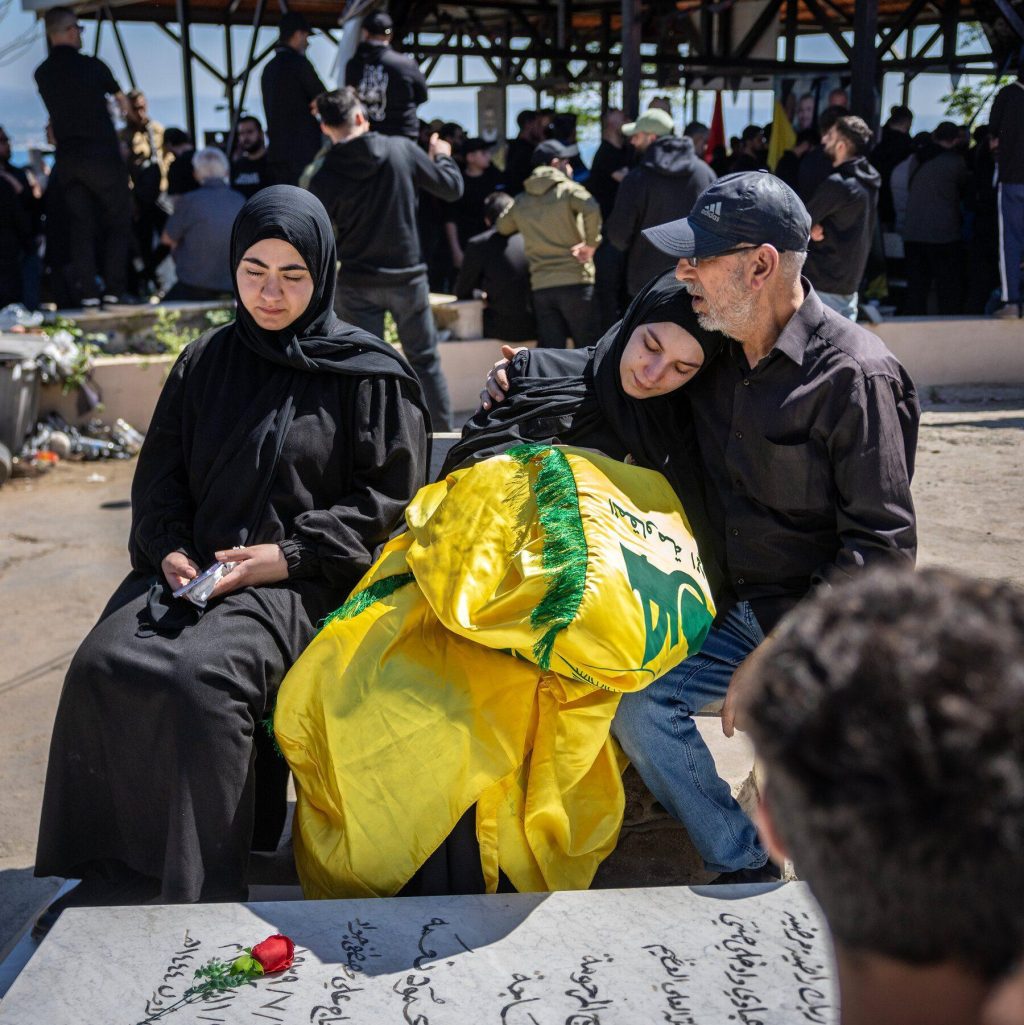
** Over 250,000 people have fled their homes in southern Lebanon as the US-Pushed Ceasefire extension announced by US President Trump fails to bring relief from the ongoing conflict between Israel and Hezbollah. The humanitarian crisis is sparking fears of a prolonged conflict, pushing innocent civilians to the edge, and raising questions about the role of external actors in resolving the conflict.
lebanons forgotten victims 250000:
Updated: April 24, 2026
Human Price of War: As Tehran and Tel Aviv Hesitate, Lebanon Copes with Uncertainty
In a small coffee shop in Beirut, Nahla al-Khalil nervously juggles her toddler on her lap, keeping an ear out for the sound of explosions that have become an eerie background hum. The war between Israel and Hezbollah has been raging for what feels like an eternity to the 32-year-old mother of two, who is among the hundreds of thousands of people forced to flee their homes in Lebanon’s southern provinces.
Just 48 hours ago, US President Donald Trump announced a sudden cease-fire extension between Israel and Hezbollah, but Nahla and scores of other Beirut residents aren’t feeling the relief just yet. The cease-fire, announced by Trump, came as a shock to many, particularly to a young family like the al-Khala’s who had been forced to pack their bags and leave behind everything – including their home and livelihood.
I was in the middle of a job interview, and I had to drop everything when the fighting began. My husband couldn’t work for days, and food prices skyrocketed. We were lucky to have any food to feed our children, Nahla shares, tears welling up in her eyes. Now, we’re not sure what to do. If the fighting stops, we’ll try to head back home. If not, I don’t know how we’ll manage.
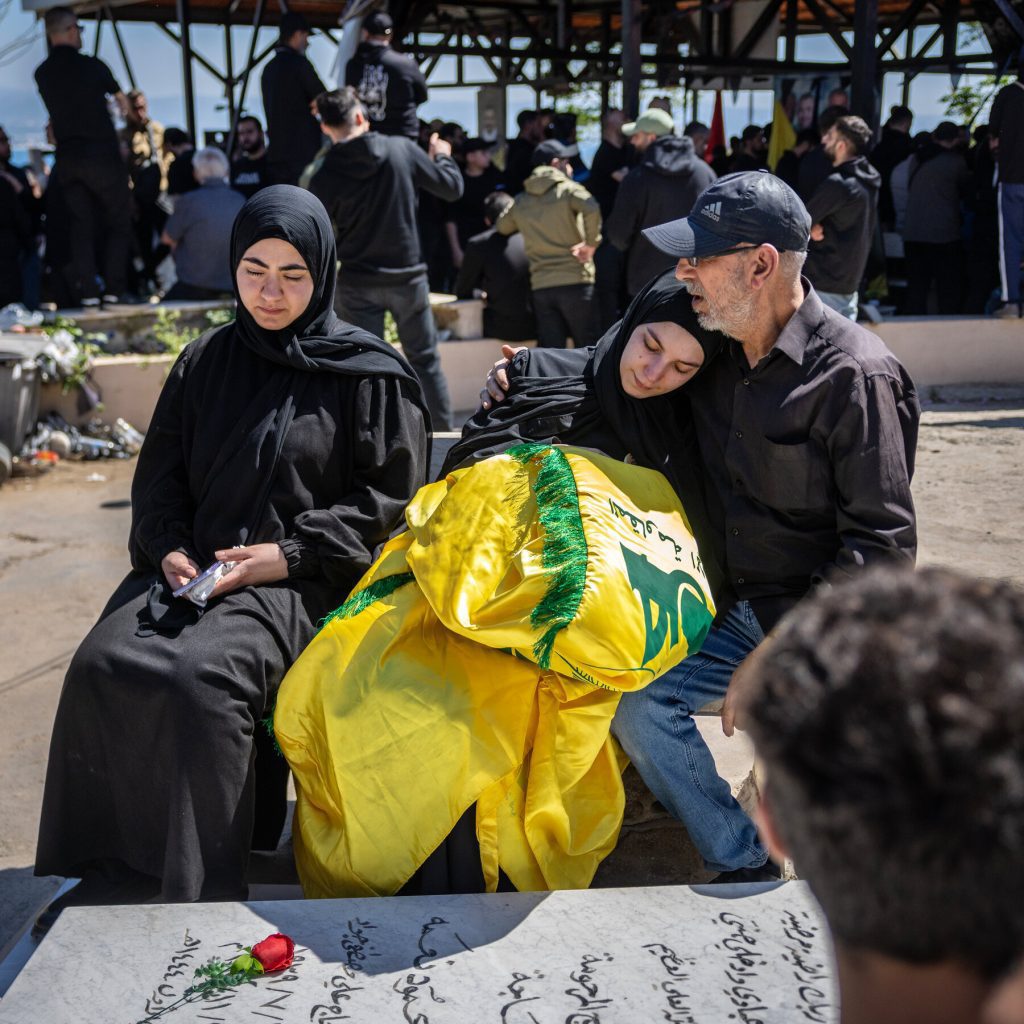
While Nahla’s fears are very real, she’s far from alone in her uncertainty. Over 250,000 people have fled their homes in southern Lebanon since the conflict escalated, and many more are struggling to get by.
It’s a humanitarian crisis waiting to happen, warns Hassan Hashem, a Red Cross nurse based in Beirut. We’re witnessing a growing number of families who are struggling to access healthcare, food, and shelter. The constant bombardment and displacement are pushing people to the edge.
The cease-fire extension, announced by Trump, has sparked a mixture of emotions in Lebanon. Some see it as a glimmer of hope, while others view it with skepticism. Many believe it could be a temporary reprieve that allows both sides to regroup, leading to a potentially prolonged conflict.
As Nahla and her family wait with bated breath for the fighting to stop, the world watches with concern. The war in Lebanon is not just a regional conflict; it has global implications. The ongoing crisis raises critical questions about the role of external actors like the United States in resolving conflicts and the impact of regional rivalries on innocent civilians.
It’s imperative that we keep the human cost of this war at the forefront of our discussions, says Dr. Amira Abo Elenein, a Middle East expert at Georgetown University. The international community must address the root causes of this conflict and ensure that the voices of those most affected are heard. The future of countless families like the al-Khala’s depends on it.
Human Price of War: As Tehran and Tel Aviv Hesitate, Lebanon Copes with Uncertainty In a small coffee shop in Beirut, Nahla al-Khalil nervously juggles her toddler on her lap,…
This is a developing story. More updates will follow as new information becomes available.