 CSD urges govt to drop Gram Sabha consent rule for projects
  NATS glitch causes major Heathrow flight delays and cancellations
  Yemen Tilts Toward Full-Scale War as Saudi-Houthi Clashes Escalate
  Syrian weapons depot explosion kills 14 in Idlib
 Mizoram residents hesitant to enrol on voters’ list due to fear of number 999.
** A peculiar concern is hindering the electoral process in Mizoram, India, where a significant number of residents are avoiding voter list enrollment due to their deep-rooted fear of the number 999, believed to be the “devil’s number” that invites ill luck and misfortune.
mizoram residents hesitant enrol:
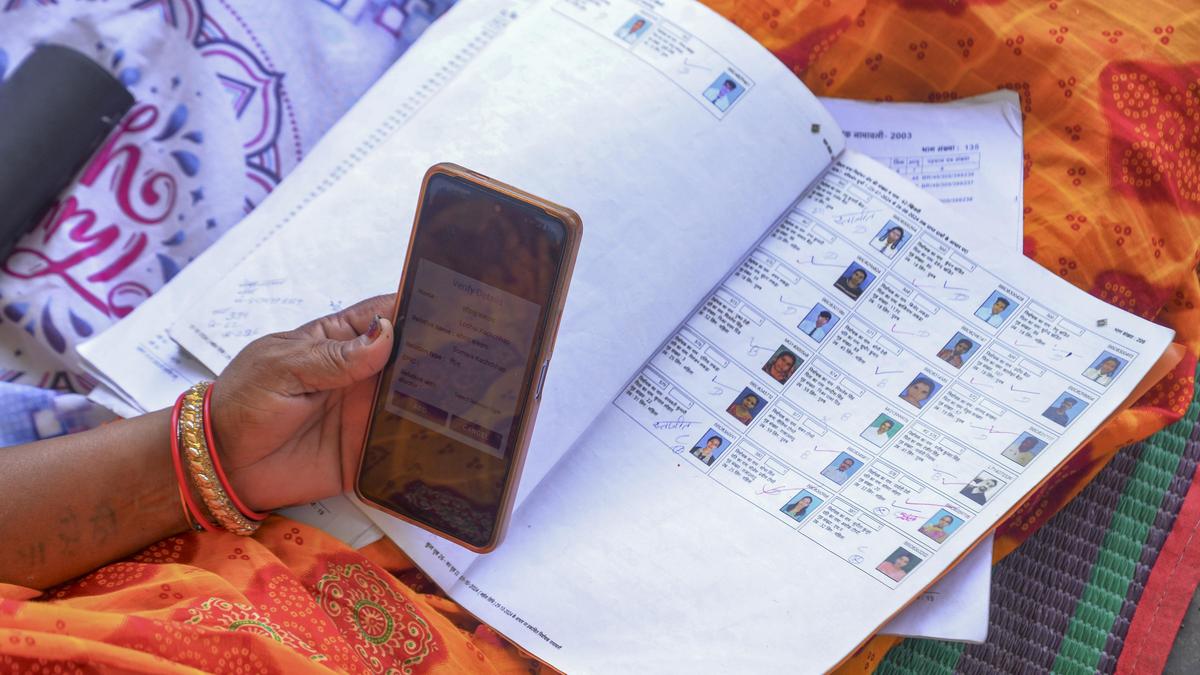
Fear of Devil’s Number Keeps Some People Off Mizoram’s Voters’ List In the Indian state of Mizoram, a peculiar concern is hindering the electoral process. A significant number of residents are avoiding the Special Intensive Revision (SIR) of the voter list due to their deep-rooted fear of the number 999. The Joint Chief Electoral Officer, H Lianshaw, has revealed that these individuals are refusing to enrol or re-enrol themselves on the list, citing their strong spiritual beliefs as the reason..
The fear of the number 999, also known as devil’s number, is rooted in superstition. Many people in Mizoram believe that this number has an adverse effect, inviting ill luck and misfortune into their lives. As a result, they are hesitant to associate themselves with it..
This superstition is not limited to enrolment; some residents even avoid using phone numbers with this sequence, preferring different combinations instead. According to H Lianshaw, a substantial number of people have expressed their reluctance to participate in the SIR process. This is resulting in a significant delay in the compilation of the revised voter list, which is a crucial exercise ahead of the general elections..
The Election Commission of India has launched multiple drives to update the voters’ list, ensuring that every eligible citizen exercises their right to vote. Lianshaw acknowledged that the fear of the number 999 is a peculiar phenomenon. He emphasized that the electoral officers are doing their best to address the concerns of these residents and encourage them to participate in the SIR process..
We are explaining to them that the number 999 is just a number and does not carry any supernatural significance, Lianshaw said in an interview. We request them to co-operate and update their details on the voter list. Despite the efforts of the electoral authorities, many residents remain unconvinced..
They believe that their spiritual well-being is at stake, and any association with the number 999 could lead to adverse consequences. This fear is not restricted to any particular community or region; people from diverse backgrounds and age groups have approached the electoral officers with their concerns. In the past, similar cases of superstition have been reported in India, where people have avoided taking advantage of government schemes or services due to their beliefs..
However, the situation in Mizoram is notable for its widespread impact on the electoral process. As the general elections approach, the Election Commission of India is working hard to ensure that every eligible citizen is able to cast their vote. The Mizoram SIR exercise is an ongoing process, with electoral officers visiting various parts of the state to update the voters’ list..
They are also conducting door-to-door campaigns to reach out to residents and allay their fears. Our primary objective is to ensure that every citizen exercises their right to vote, said Lianshaw. We are leaving no stone unturned to make the SIR process a success..
In addition to the SIR exercise, the Election Commission of India has launched a series of measures to enhance voter turnout. These initiatives include the distribution of photo voter slips, voter awareness programs, and the use of digital technology to streamline the electoral process. However, the impact of these measures could be undermined by the fear of the number 999..
Lianshaw emphasized that the electoral authorities are working closely with local organizations and leaders to address the concerns of the residents. They are also conducting outreach programs to educate people about the importance of participating in the electoral process. We believe that education is the key to overcoming superstition, he said..
We are using every available channel to spread awareness and encourage people to enrol themselves on the voters’ list. The Mizoram story highlights the complexities of electoral processes in India. While the government has made significant strides in expanding voter access, superstition and myth continue to pose challenges..
As the general elections approach, the Election Commission of India will need to find innovative solutions to ensure that every eligible citizen exercises their right to vote. In the meantime, efforts are being made to engage with the residents and address their concerns. Electoral officers are holding meetings with local leaders and community members to discuss the issue..
We are having an open dialogue with the people, said Lianshaw. We are listening to their concerns and addressing them in a constructive manner. The Mizoram story is a reminder that superstition and myth can have far-reaching consequences..
As the state prepares for the general elections, the authorities are faced with a unique challenge. By engaging with the residents and addressing their concerns, they hope to overcome the fear of the number 999 and ensure that every eligible citizen exercises their right to vote. In the coming weeks and months, the situation in Mizoram will continue to unfold..
As the electoral process evolves, it will be interesting to see how the authorities handle the complex issue of superstition. Will they be able to overcome the fear of the number 999 and enhance voter turnout, or will this superstition continue to hinder the electoral process? As the election commission officials work tirelessly to address the concerns of the residents, their efforts may also serve as a reminder of the complexities of India’s electoral landscape..
Despite the country’s progress in expanding voter access, superstition and myth continue to pose challenges. As the general elections approach, the commission will need to find innovative solutions to ensure that every eligible citizen exercises their right to vote. The Mizoram case highlights the importance of addressing superstition and myth in the electoral process..
By engaging with the residents and addressing their concerns, the authorities hope to overcome the fear of the number 999 and ensure that every eligible citizen exercises their right to vote..
Updated: June 30, 2026
Staff Reporter
A mysterious phenomenon is gripping the Indian state of Mizoram, where a significant number of residents are refusing to enrol on the voters’ list due to a deep-rooted fear of the number 999, which is rooted in superstition. Despite efforts from electoral authorities to address their concerns, many residents remain unconvinced, believing their spiritual well-being is at stake.