
Naval Confrontation Escalates: US Takes Decisive Action Against Iranian Mining Operations in Strait of Hormuz
In a significant escalation of naval tensions, the United States has conducted a targeted operation to destroy multiple Iranian vessels suspected of engaging in mining activities in the strategically crucial Strait of Hormuz. The region, a vital artery for global oil transportation, has been at the center of heightened concerns over potential disruptions to maritime trade. The US action comes on the heels of intelligence reports indicating Iran’s alleged plans to sabotage shipping lanes, prompting a stern warning from President Trump to the Iranian government.
The President’s admonition to Tehran emphasized the need for the immediate removal of any mines that may have been deployed, cautioning that failure to comply would invite unprecedented military consequences. This tough stance underlines the gravity with which the US views any attempts to compromise the security and stability of international waterways, particularly in a region as pivotal to global energy supply chains as the Strait of Hormuz.
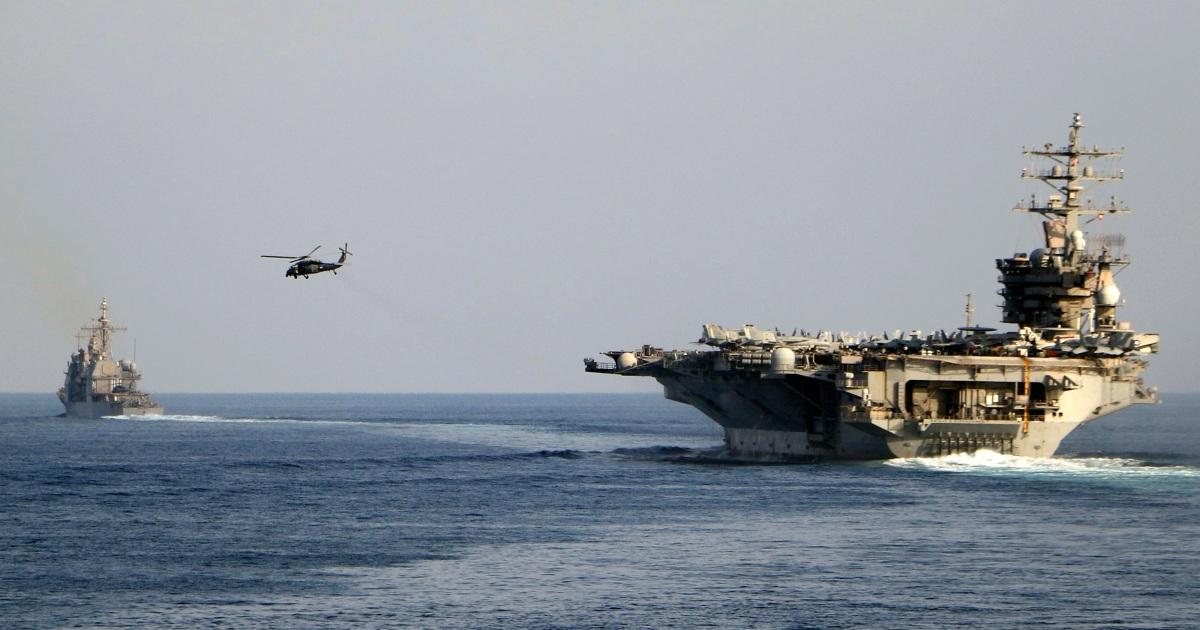
The destruction of the Iranian vessels is a clear demonstration of the US commitment to safeguarding freedom of navigation and preventing any actions that could jeopardize the free flow of oil and other essential commodities through the strait. The operation also underscores the advanced capabilities and readiness of US naval forces to respond swiftly and effectively to emerging threats in the region.
The situation in the Strait of Hormuz has been volatile, with tensions between the US and Iran escalating over recent months. The US has accused Iran of engaging in a range of destabilizing activities, including the harassment of commercial vessels and the sabotage of oil tankers. Iran, for its part, has denounced US military presence in the region as provocative and threatening to its national security.
The latest development is likely to further strain relations between the two nations, potentially leading to increased military posturing and heightened risks of miscalculation. However, the US has emphasized its preference for diplomatic solutions, calling on Iran to cease its provocative behavior and engage in constructive dialogue aimed at reducing tensions and promoting regional stability.
As the situation continues to unfold, international observers are closely watching the Strait of Hormuz, aware of the far-reaching implications that any significant disruption to maritime traffic could have on global energy markets and the broader economy. The US and its allies are expected to maintain a robust naval presence in the region, committed to upholding the principles of freedom of navigation and protecting the critical infrastructure that underpins global trade.
In conclusion, the US action against Iranian mining operations in the Strait of Hormuz marks a significant escalation in naval confrontations between the two nations. With the region on high alert and the potential for further escalation, diplomatic efforts to resolve the standoff peacefully are more urgent than ever. The international community is keenly aware of the high stakes involved, recognizing that a stable and secure Strait of Hormuz is indispensable to the smooth functioning of the global economy. As such, all parties involved must prioritize de-escalation and work towards a peaceful resolution that safeguards the free flow of commerce through this critical waterway.
This article may be prepared with the assistance of artificial intelligence (AI) and is reviewed before publication. While we aim for accuracy and timeliness, readers should verify important facts from official or primary sources. If you believe any information is inaccurate or that any content infringes your rights, please contact ainewsbreaking.com for review and appropriate action.