
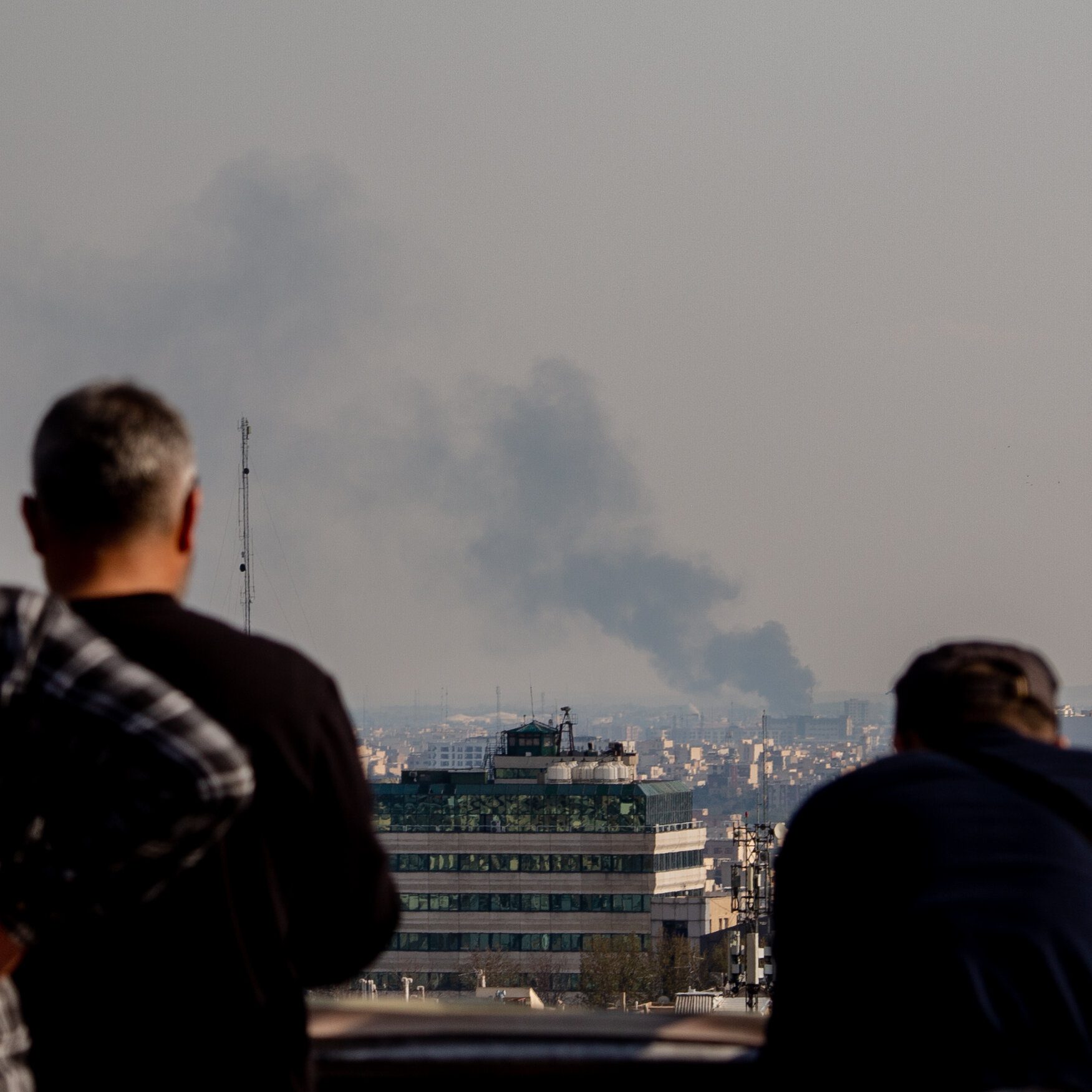
U.S.-Israeli War Against Iran: Assessing the Latest Developments in a Complex Conflict
A joint U.S.-Israeli military operation against Iran’s key infrastructure has sparked intense global scrutiny and debate over its potential implications. Amid widespread speculation about the conflict’s long-term outcomes, several key developments have emerged – but much of the core dynamics remain unchanged.
The operation, carried out in early January of this year, targeted key sites linked to Iran’s nuclear capabilities and military supply chains. The strikes sparked fierce backlash from Iranian leaders, who condemned the attacks as a clear breach of sovereignty. The Iranian government subsequently vowed to retaliate, with warnings of potential military strikes against both U.S. and Israeli interests.
Tensions between the United States, Israel, and Iran have been simmering for decades. The conflict is deeply embedded in a broader regional landscape shaped by competing interests, strategic alliances, and entrenched security concerns. The U.S. has long taken a firm stance on Iran’s nuclear program, while Israel views the country’s military capabilities with growing unease.
Meanwhile, regional dynamics continue to play a pivotal role in shaping the conflict’s trajectory. Saudi Arabia, a key U.S. ally, has publicly expressed support for the strikes and vowed to maintain pressure on Iran through coordinated diplomatic efforts. Meanwhile, key European powers have taken a more measured stance, advocating for a return to diplomatic negotiations aimed at resolving the crisis through peaceful means.
Despite the uncertainty surrounding the conflict’s long-term implications, analysts warn that a lasting resolution will require a multifaceted approach. Any meaningful peace effort would necessitate tangible progress on key issues, including Iran’s nuclear capabilities, military supply chains, and a comprehensive review of regional security arrangements.
In the face of ongoing uncertainty, stakeholders on all sides of the conflict remain focused on one key objective: the preservation of security and stability in a region beset by deepening tensions and entrenched rivalries.
This article may be prepared with the assistance of artificial intelligence (AI) and is reviewed before publication. While we aim for accuracy and timeliness, readers should verify important facts from official or primary sources. If you believe any information is inaccurate or that any content infringes your rights, please contact ainewsbreaking.com for review and appropriate action.