
Zelensky Slams Russia–Iran Alliance as ‘Brothers in Hatred’ in Powerful Address to UK Parliament Amid Escalating Global Tensions
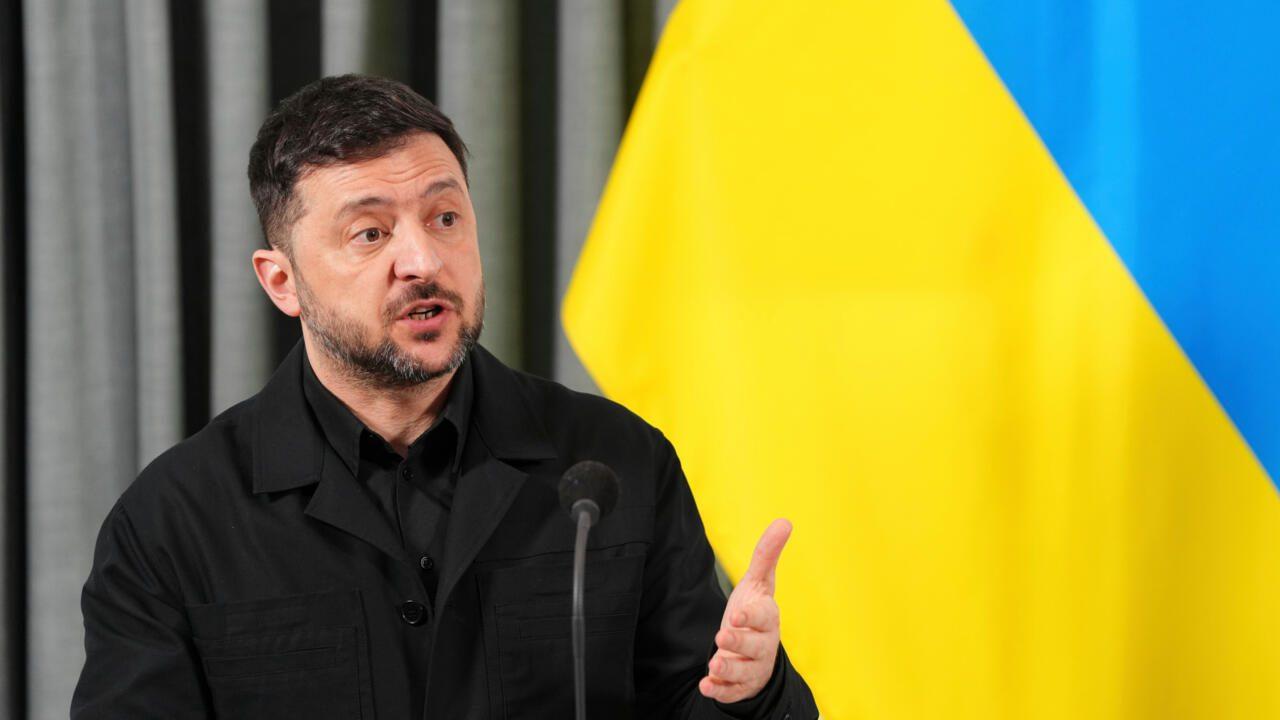
Ukrainian President Volodymyr Zelenskyy delivered a powerful and sharply worded address to British lawmakers, warning that the growing alliance between Russia and Iran represents a dangerous convergence of hostile forces shaping the modern battlefield. Speaking before Members of Parliament (MPs) and peers in the United Kingdom, Zelensky described the two nations as “brothers in hatred,” a phrase that has quickly resonated across global diplomatic and political circles.
His remarks come at a critical moment in global geopolitics, as the war in Ukraine continues into another year while tensions in the Middle East—particularly involving Iran—threaten to reshape international priorities and alliances. Zelensky’s speech was not merely rhetorical; it was a calculated appeal to Western allies, urging them to remain vigilant and united in the face of what he portrayed as an increasingly coordinated and technologically advanced threat.
Zelensky’s Address: A Stark Warning to the West
Standing before British lawmakers, Zelensky emphasized that the relationship between Russia and Iran goes beyond mere diplomatic cooperation. Instead, he characterized it as a strategic and ideological partnership rooted in shared hostility toward democratic values and Western institutions.
By calling them “brothers in hatred,” Zelensky underscored what he sees as a mutual commitment between Moscow and Tehran to destabilize global security.
He argued that both nations are actively collaborating in modern warfare, particularly in the use of drone technology and advanced weapon systems. Iran has been widely accused of supplying drones to Russia, which have been used extensively in Ukraine. This cooperation, Zelensky suggested, represents a dangerous evolution in warfare—one that allows authoritarian regimes to project power cheaply and effectively across long distances.
According to Zelensky, this new form of warfare is not only reshaping battlefields but also lowering the threshold for conflict, making it easier for aggressor states to sustain prolonged military campaigns.
The Rise of Drone Warfare and AI in Conflict
A central theme of Zelensky’s speech was the growing role of technology—especially drones and artificial intelligence—in modern warfare. He warned that Russia and Iran are leveraging these tools to conduct attacks more efficiently and with fewer resources.
Zelensky highlighted how these technologies enable “killing cheaply over long distances,” a chilling description that reflects the changing nature of global conflict.
Ukraine, he noted, has gained significant experience in countering such threats. Over the course of the war, Ukrainian forces have developed sophisticated methods for intercepting drones and defending against aerial attacks. Zelensky used this expertise as a point of leverage, offering Ukraine’s technological know-how to its allies.
He proposed deeper collaboration with Western nations, including the United Kingdom, to enhance collective defense capabilities. This includes sharing knowledge on drone interception, radar systems, and AI-driven defense solutions.
A Strategic Visit to the United Kingdom
Zelensky’s address to Parliament was part of a broader visit to the UK, where he engaged in high-level meetings with key leaders, including British Prime Minister Keir Starmer and NATO Secretary-General Mark Rutte.
During this visit, Ukraine and the UK signed a new defense agreement aimed at strengthening military cooperation. The deal focuses on joint production of drones and other advanced defense technologies, reflecting the growing importance of innovation in modern warfare.
Zelensky also met with King Charles III, further underscoring the significance of his visit and the strong diplomatic ties between Ukraine and the United Kingdom.
The Ukrainian president used these meetings to reinforce his message: that continued Western support is essential not only for Ukraine’s survival but also for maintaining global stability.
Global Distractions: The Impact of Middle East Tensions
One of Zelensky’s key concerns is that the escalating conflict in the Middle East—particularly involving Iran—is diverting attention and resources away from Ukraine.
He warned that this shift in focus could have serious consequences, allowing Russia to regroup and strengthen its position on the battlefield.
The war in Ukraine has already stretched Western resources, particularly in terms of military aid and air defense systems. With new crises emerging elsewhere, there is a risk that Ukraine may receive less support at a time when it remains under intense pressure.
Zelensky’s remarks reflect a broader चिंता among European leaders, who fear that a prolonged Middle East conflict could inadvertently benefit Russia by driving up energy prices and redirecting military assets away from Ukraine.
Iran’s Role in the Ukraine War
Iran’s involvement in the Ukraine conflict has been a point of contention for several years. Tehran has been accused of supplying Russia with Shahed drones and other military equipment, which have been used in attacks against Ukrainian infrastructure and civilian areas.
Zelensky has consistently criticized Iran for its role in the war, and his latest remarks reinforce this stance. By linking Iran and Russia so explicitly, he aims to highlight the interconnected nature of global conflicts.
Recent developments have further complicated the situation. Iran has reportedly threatened Ukraine after Kyiv offered to assist Gulf nations with drone defense capabilities.
This escalation underscores the जोखिम of the Ukraine war becoming entangled with broader regional conflicts, potentially drawing in additional countries and further destabilizing the international order.
Europe as a “Global Force”
In his address, Zelensky also sought to inspire confidence among European leaders, describing Europe as a “global force” capable of standing up to any adversary.
He argued that unity among European nations is essential for مواجهة the challenges posed by Russia and its allies. This includes not only military cooperation but also economic and political coordination.
Zelensky’s message was clear: Europe must not underestimate its शक्ति or allow internal divisions to weaken its resolve. By standing together, he said, European nations can effectively counter the threats posed by authoritarian regimes.
The Economic Dimension: Sanctions and النفط
Another important aspect of Zelensky’s speech—and his broader diplomatic efforts—is the role of economic measures in the الحرب against Russia.
He has expressed concern over recent decisions to ease certain sanctions on Russian oil, warning that such moves could provide Moscow with billions of dollars in additional revenue.
This funding, Zelensky argues, could be used to sustain Russia’s military operations, prolonging the conflict and increasing the human and economic toll.
The intersection of energy markets and geopolitics has become increasingly apparent, particularly as tensions in the Middle East impact global oil prices. Zelensky has urged Western leaders to remain firm in their санк्शन policies, emphasizing that economic pressure is a critical tool in weakening Russia’s war effort.
Technological Collaboration and Future Warfare
Looking ahead, Zelensky emphasized the importance of innovation in defense. He highlighted Ukraine’s advancements in areas such as AI-driven defense systems and drone interception technology.
The new UK-Ukraine defense agreement includes provisions for developing these technologies, as well as establishing an AI defense center.
Zelensky يرى this collaboration as a model for future partnerships, where nations pool their expertise to مواجهة emerging threats.
He also предложил that Ukraine’s battlefield experience could be valuable for other countries facing similar challenges, particularly in the Middle East.
A Broader Message: Defending Democratic Values
Beyond the specifics of military and technological cooperation, Zelensky’s speech carried a broader message about the importance of defending democratic values.
By framing Russia and Iran as “brothers in hatred,” he sought to draw a clear distinction between authoritarian regimes and демократические societies. This framing is intended to galvanize support among Western nations and подчеркнуть the stakes of the conflict.
Zelensky warned that allowing such regimes to succeed would have far-reaching consequences, not only for Ukraine but for the global order as a whole.
This article may be prepared with the assistance of artificial intelligence (AI) and is reviewed before publication. While we aim for accuracy and timeliness, readers should verify important facts from official or primary sources. If you believe any information is inaccurate or that any content infringes your rights, please contact ainewsbreaking.com for review and appropriate action.