A Corruption Scandal Is Reshaping Brazil’s Presidential Election
  US citizen injured in Illinois after ICE agents mistook him for fugitive, tried to arrest him
  At 10 years old, Smithsonian’s Black museum is undaunted amid pressure from Trump administration
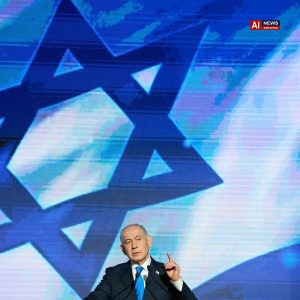
  Beleaguered at Home, a Bellicose Netanyahu Heads to the U.N.
  Family to release cellphone report in Nolan Wells case
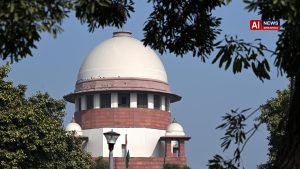
 Haryana Professor Prosecution Case Closed by Supreme Court After State Refuses Sanction
The Supreme Court has closed a prosecution case against an Ashoka University professor after the Haryana government refused to grant sanction, sparking debate about free speech, academic freedom, and national security in India.
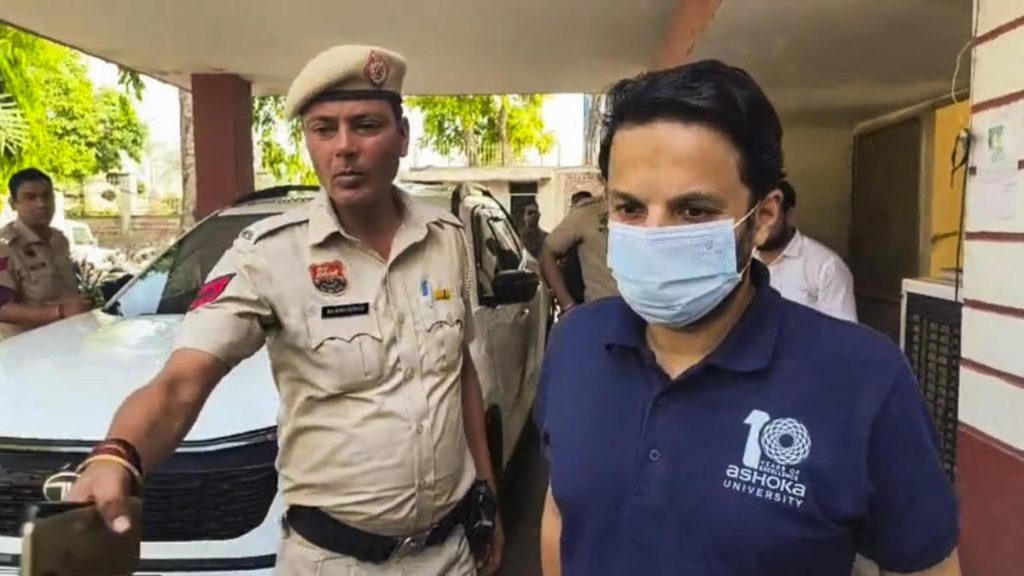
The Supreme Court has closed a case against Ashoka University professor Mahmudabad after the Haryana government refused to grant sanction to prosecute him. The case stemmed from the professor’s social media posts, which were alleged to have endangered the sovereignty and integrity of the country. The Haryana Police had arrested the professor on May 18, sparking a heated debate about freedom of speech and academic freedom.
The professor’s arrest was related to his posts on Operation Sindoor, a topic that has been the subject of controversy and discussion. The police alleged that his comments had the potential to incite unrest and compromise national security. However, the Haryana government’s decision not to grant sanction to prosecute the professor suggests that the state does not believe the evidence against him is strong enough to warrant further action.
The case has raised questions about the limits of free speech and the role of the state in regulating online discourse. The professor’s supporters argue that his posts were within the bounds of legitimate academic discussion and that the arrest was an overreach of state power. The Haryana government’s decision to refuse sanction to prosecute may be seen as a victory for free speech advocates, but it also highlights the complexities and challenges of balancing individual rights with national security concerns.
The Supreme Court’s decision to close the case brings an end to the legal proceedings against the professor, but it is unlikely to be the last word on the matter. The incident has sparked a wider debate about the importance of protecting academic freedom and the need for clear guidelines on what constitutes acceptable online discourse. As the country grapples with these complex issues, the case of the Ashoka University professor will likely be cited as a precedent in future discussions about free speech and national security.
The Haryana government’s refusal to grant sanction to prosecute the professor may also have implications for the state’s approach to regulating online speech. The decision suggests that the state is taking a more nuanced approach to balancing individual rights with national security concerns, and it may set a precedent for how similar cases are handled in the future. As the country continues to navigate the complexities of online discourse, the case of the Ashoka University professor will remain an important reference point for policymakers and free speech advocates alike.