Europe warns of Russia’s hybrid attacks but struggles to counter them
  Former chief election commissioner calls SIR scheme illegal.
  A Corruption Scandal Is Reshaping Brazil’s Presidential Election
  US citizen injured in Illinois after ICE agents mistook him for fugitive, tried to arrest him
  At 10 years old, Smithsonian’s Black museum is undaunted amid pressure from Trump administration
 Israeli Military Strikes Escalate in Southern Lebanon, Raising Tensions
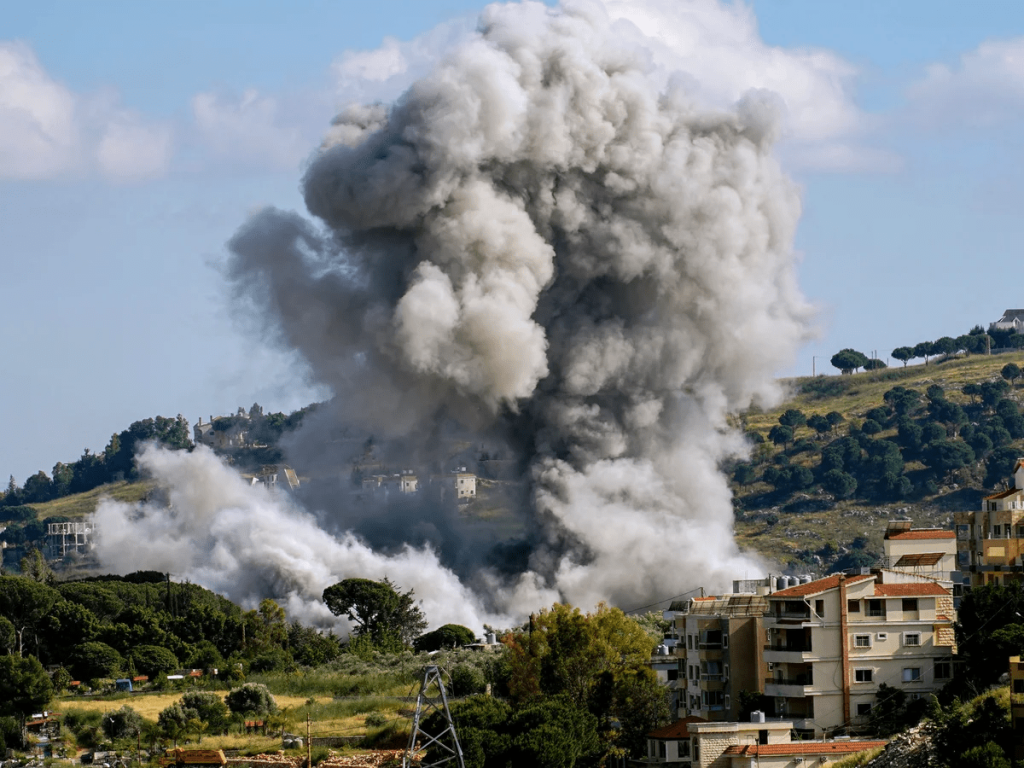
Summary: Israeli military strikes in southern Lebanon escalate, pushing the region closer to all-out conflict.
Core News: In a dramatic escalation, the Israeli military has initiated fresh strikes in southern Lebanon, following evacuation orders for the area south of the Zahrani River.
Updated: May 28, 2026
Israeli military strikes in southern Lebanon escalate, pushing the region closer to all-out conflict.
Core News: In a dramatic escalation, the Israeli military has initiated fresh strikes in southern Lebanon, following evacuation orders for the area south of the Zahrani River. The Israeli Defense Forces (IDF) have declared these areas combat zones, indicating an increased level of military engagement.
Impact Analysis: The immediate consequences of these strikes will be felt both in Lebanon and Israel. The Lebanese government and Hezbollah will likely retaliate, heightening the risk of a broader conflict. This escalation increases the chances of Israeli civilians being caught in the crossfire, and the potential for infrastructure damage and economic disruption.
From an economic perspective, the impact will be significant. Lebanon’s already fragile economy is on the brink of collapse, and the influx of refugees and damage to critical infrastructure will only exacerbate the crisis. The ongoing conflict will discourage foreign investment and hinder economic recovery. Israel’s economy will also face losses, particularly in the tourism and agriculture sectors, which will suffer as a result of the instability.
Broader Implications: As tensions in the region continue to rise, global powers will take notice. The United States, a key ally of Israel, will likely provide diplomatic support and potentially increase military aid. Meanwhile, Iran, Israel’s arch-nemesis, will likely back Hezbollah’s efforts, pushing the global community closer to a confrontation. China, eager to expand its economic and strategic influence, will closely watch the situation, potentially seeking to capitalize on the instability.
In the long term, this escalating conflict may reshape the Middle East landscape, potentially paving the way for an expanded Iranian influence in the region. Furthermore, the impact on global oil markets cannot be overlooked, as the Strait of Hormuz, a critical oil chokepoint, is located near the conflict zone. The global economy will feel the effects, particularly in countries heavily reliant on imported oil.
Forward-Looking Insights: The situation in southern Lebanon will continue to unfold with increasing intensity, pushing regional stability to the brink. A potential ceasefire or negotiated settlement appears unlikely in the near term, and the parties involved will need to be prepared for extended conflict and its devastating consequences. The global community should prepare for increased instability in the region, with a possible shift in the balance of power and far-reaching economic implications.
This escalation in southern Lebanon not only poses an immediate threat to regional stability but also highlights the long-standing fault lines between Israel and Iran, forcing the global community to confront the risk of a broader proxy war.
The impending conflict may have far-reaching consequences, but it also creates an opportunity for China to further expand its influence in the Middle East, potentially shifting the regional balance of power and forcing global powers to
This is a developing story. More updates will follow as new information becomes available.